Portuguese
  Spanish


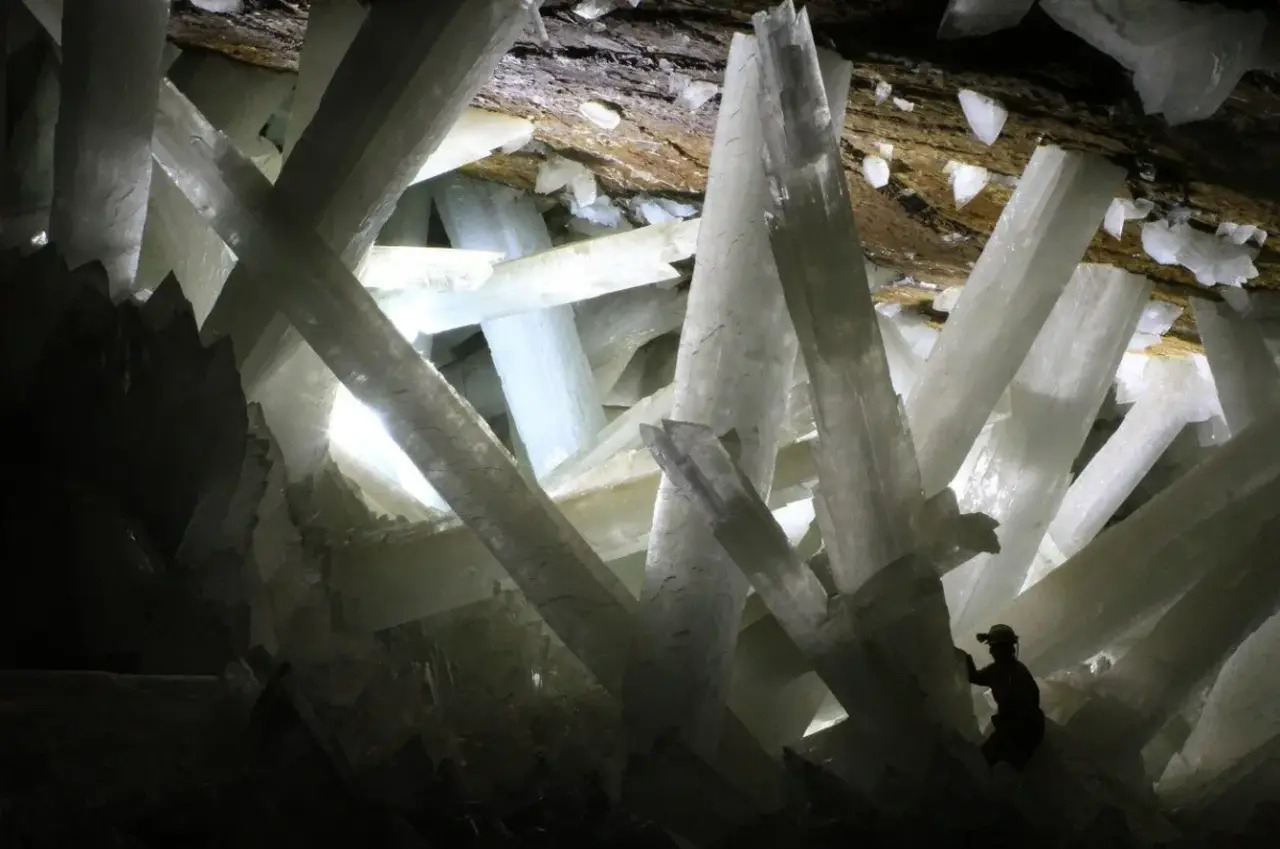

Accidental Discovery In 2000, The Naica Crystal Cave Houses Giant Gypsum Formations In An Extreme And Scientifically Valuable Environment
In 2000, miners accidentally discovered one of the most impressive underground landscapes on the planet. During excavations in the Naica mine in the state of Chihuahua, Mexico, they opened a tunnel that revealed a cavity filled with giant crystals.
The scene drew immediate attention. Upon further analysis, scientists confirmed: the translucent pillars were gypsum crystals, and the largest ever recorded in the world.
The largest crystal in the cave measures about 11 meters long and 1 meter wide. However, despite their size, they are not extremely valuable like the crystals used in jewelry. The value, in this case, lies in their rarity and scientific importance.
-
Former Atacadão Employee Turns Online Cake-Baking Lessons into a Confectionery Brand with Factory, Store, Delivery, and Nearly $400,000 in Revenue

-
Brazilian Startup Sells Nearly 9 Million Surprise Bags of Near-Expiry Food, Prevents Thousands of Tons of Waste, Aiming for $42 Million Revenue by 2026
-
How to Prevent Brown Recluse Spider Bites: Common Hiding Spots and Free Tips to Reduce Risks

-
Natto: The Unusual Japanese Superfood Gaining Popularity on Social Media and Driving Record Exports




Extreme Environment And Difficult Access
The Naica Crystal Cave is relatively small. It is 109 meters long with an estimated volume of up to six thousand cubic meters.
It has a horseshoe shape and is located just above a magma reservoir. This means that below the mine, between three and five kilometers deep, there are incandescent rocks heating the ground.
Because of this, the temperature inside the cave can reach up to 58 °C. In addition to the heat, the humidity is also extremely high.
These conditions make it impossible to stay in the location for long periods. Only researchers and specialists have access, and with special protective gear. The maximum time allowed for each visit is one hour.
Crystal Formation Took Millions Of Years
Before being discovered, the cave was completely flooded. The water was warm and rich in minerals. To enter, it was necessary to pump the water out. This process allowed scientists to study the crystals in more detail.
According to studies by geologist Juan Manuel García-Ruiz, the formation began about 26 million years ago.
The magma heated the underground water and enriched the environment with minerals, such as calcium sulfate. This chemical compound gave rise to gypsum.
Previously, high temperatures formed anhydrite rocks, which dissolved when the temperature dropped. This process created the perfect environment for the crystals to grow slowly.
Research indicates that for a crystal to reach one meter in thickness, approximately one million years would be needed. The formation is so precise that García-Ruiz described the site as “the Sistine Chapel of crystals.”
Current Situation Of The Cave
In 2015, the pumps that kept the cave dry were turned off. Water began to return, but the cave is still not completely flooded. Even so, access remains restricted to authorized individuals, always for a limited time.
Scientific Importance Beyond The Visual
The Crystal Cave is more than a beautiful landscape. According to experts, it can help understand how gypsum formed on Mars.
Moreover, studies on crystal growth may offer solutions to reduce mineral buildup in desalination plants and other technologies. Science continues to keep an eye on this underground world that, for millions of years, remained hidden in the heart of Mexico.
With information from CNN.