Portuguese
  Spanish


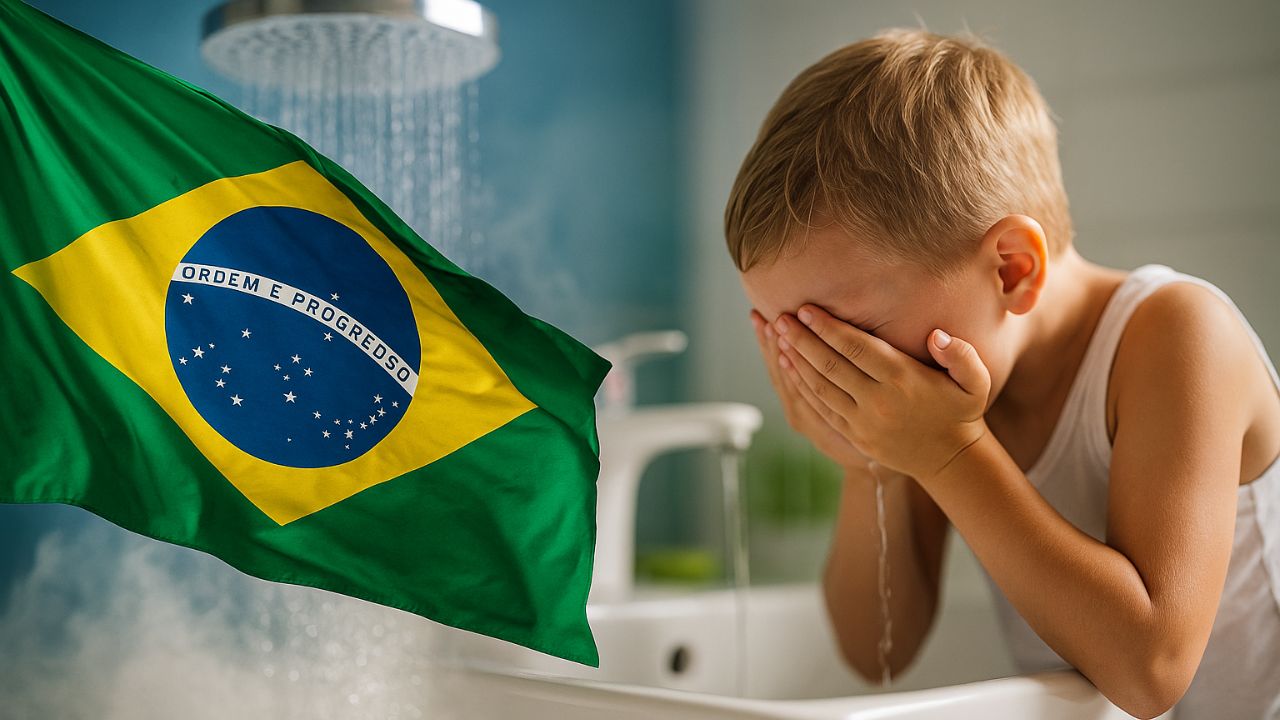


With an Average of Up to 14 Showers a Week, Brazilians Not Only Lead the Global Hygiene Rankings but Also Support the Third Largest Market in the Sector, Which Earned R$ 156.5 Billion in 2023.
The daily ritual of Brazilians taking multiple showers goes far beyond simple hygiene. This custom, deeply rooted in the national culture, is the foundation of one of the most powerful industries in the world. Known as the “fragrance industry,” it has transformed Brazil into a global powerhouse. The Brazilian habit of valuing freshness and scent supports a Personal Care, Fragrance, and Cosmetics (HPPC) market that reached the impressive mark of R$ 156.5 billion in 2023, consolidating the country as the third largest consumer on the planet, trailing only the United States and China.
The Cultural Roots of the Brazilian Habit
Brazil’s relationship with bathing is an ancestral heritage. Indigenous peoples already practiced daily bathing in rivers, a custom that astonished European colonizers, whose hygiene habits were far less frequent. This indigenous tradition, combined with the country’s hot and humid climate, transformed bathing into a necessity for comfort and well-being.
In Brazil, being clean and fragrant transcends hygiene and becomes a true social capital. The concept of “being fragrant” is a marker of dignity and respect, summed up in the popular saying “I may be poor, but I am clean”. This cultural appreciation has created a strong aversion to “BO” (body odor), driving the consumption of products that complete the shower ritual, such as deodorants and perfumes. The scent thus becomes a tool for well-being and an essential complement to personal identity.
-
Man Converts Water Tank into $20,000 Luxury Boat, DIY Video Reaches 571,000 Views on World Tech Channel

-
Inventor Builds Amphibious Vehicle with Kayak and Electric Motors, Gains 223,000 Views on Quiet Nerd Channel
-
Former Yale Hospital Cleaner Returns as Resident Doctor After a Decade; Shay Taylor-Allen Transitions from Janitorial Duties to Medical Practice

-
Microsoft Submerges 855 Computers in Nitrogen-Filled Capsule 35 Meters Under the Scottish Sea, Records Eight Times Fewer Failures Than on Land After Two Years





The Real Size of the Personal Hygiene Market in Brazil
Forget the old numbers. The HPPC industry in Brazil does not move R$ 30 billion, but R$ 156.5 billion, according to 2023 data from Euromonitor International. This robust revenue has secured the country the third position in the global ranking. Projections indicate that the sector could surpass the R$ 230 billion mark by 2028.
A striking feature of this market is the dominance of national companies. Groups like Natura &Co and Grupo Boticário lead the sector, surpassing multinational giants. Their success is in fine-tuning with local culture, translating the value of “fragrance” and sustainability into products and sales strategies, such as direct selling and franchises, which create a deep connection with consumers.
Essential Products in the Daily Life of Brazilians
The Brazilian habit of hygiene directly drives the consumption of key categories.
- Deodorants: Brazil is the first or second largest consumer market in the world. The frequency of use exceeds 7 times a week, with an average of 13 units per person per year. The search for protection and pleasant fragrances drives a market that surpasses R$ 11 billion annually.
- Soaps: Essential for bathing, soap is a pillar of the industry. The bar format still dominates the national market, one of the few in the world where this occurs, moving about R$ 7.4 billion per year.
- Fragrances: As the final touch to the ritual, perfume is fundamental. Brazil is the second largest consumer of fragrances in the world. The scent is not just an accessory, but the seal that confirms the feeling of cleanliness, being one of the attributes of greatest impact in the purchase decision of any cosmetic.
How Sustainability and Innovation Shape Brazilian Consumption Habits
The Brazilian consumer is evolving. Economic instability has made them more rational, seeking cost-benefit. At the same time, they do not give up on small luxuries and see cosmetics as a form of self-care, the “I deserve this” purchase.
In this scenario, sustainability has become a decisive factor. Products with natural ingredients, vegan formulas, recyclable packaging, and cruelty-free seals are gaining preference. Households with sustainable habits already represent 18.2% of the Personal Care & Beauty revenue in the country.
This opens up space for innovations such as bar cosmetics, which eliminate plastic and save water, aligning with both environmental awareness and the reality of millions of Brazilians with limited access to water resources. Technology, with artificial intelligence and augmented reality, also drives the development of increasingly personalized and effective products, redefining the future of this powerful market.