Portuguese
  Spanish




New Connection Between the Highlands and the Baixada Santista Promises to Be a Turning Point in Brazilian Logistics, with a Giant Tunnel and Advancements That Promise to Revolutionize Road Transport Without Revealing All the Details Behind This Innovative Project.
The largest road tunnel in Brazil is about to transform the connection between the Highlands and the Baixada Santista on the São Paulo coast, with an investment of R$ 3 billion and the promise of generating around 25,000 jobs during construction.
According to the Ecovias Imigrantes concessionaire, responsible for the Anchieta-Imigrantes System (SAI), the work will increase the capacity for heavy vehicle traffic, such as trucks and buses, that are essential for cargo transport in the region by 145%.
The new project, requested by the São Paulo State Government, will facilitate the flow of logistics to the Port of Santos, one of the largest port complexes in Latin America, which is expected to handle up to 241 million tons of cargo by 2040, according to data from the Santos Port Authority.
-
Brazilian Startup Sells Nearly 9 Million Surprise Bags of Near-Expiry Food, Prevents Thousands of Tons of Waste, Aiming for $42 Million Revenue by 2026

-
How to Prevent Brown Recluse Spider Bites: Common Hiding Spots and Free Tips to Reduce Risks

-
Natto: The Unusual Japanese Superfood Gaining Popularity on Social Media and Driving Record Exports
-
Brazilian Mayor Goes Undercover as Homeless for 24 Hours to Assess Public Services





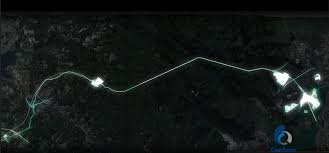
The construction includes the implementation of a new mountain road with a length of 21.5 kilometers, with 80% of this route composed of tunnels, totaling 17 kilometers.
Among them, stands out a tunnel of approximately six kilometers, which will be the largest road tunnel in the country.
The new route will be equipped with two traffic lanes and a shoulder that can be converted into an additional lane during high-demand situations.
Additionally, the average slope of the road will be 4%, an important differential to ensure greater safety for heavy vehicle traffic, according to Ecovias.
Reinforced Safety for Traffic
To enhance safety, the project includes parallel emergency tunnels, which serve as alternative routes in case of accidents or rapid evacuation needs.
The lane will also feature reversible operation, allowing the flow to be directed to the Capital during traffic peaks.
The connection will start at km 43 of the Rodovia dos Imigrantes, with easy access for those coming from the Rodoanel, and will go up to km 265 of the Rodovia Cônego Domênico Rangoni, in Cubatão, near the Baixada Santista Industrial Hub.
This connection will ensure efficient access to both the Right Bank and the Left Bank of the Port of Santos.
According to the concessionaire, the project will increase the total capacity of the Anchieta-Imigrantes System by 25%, meeting not only current demands but also the expected traffic growth for the coming years.
To mitigate environmental impacts, the construction will be carefully planned to utilize, whenever possible, existing service roads, limiting the points of opening for new work fronts.
Stringent Criteria for Routing and Access
The layout and access points were defined based on stringent criteria adopted in the largest infrastructure projects in the country.
A multidisciplinary team from Ecovias, with support from consultants and international construction companies, evaluated various alternatives to ensure that the final solution complied with engineering standards, road safety, and socio-environmental responsibility.
Currently, Ecovias Imigrantes is in the phase of developing the functional project.
Next, basic and executive projects will be developed, detailing technical aspects, deadlines, costs, and construction methodologies.
The environmental licensing process, essential for project approval, is underway and is expected to be completed in the first months of 2026.
Stages and Complementary Studies
Since receiving authorization from the State Government in January 2025, the concessionaire has been working on traffic studies, topographic surveys, soil investigations, and geological and hydrogeological analyses that will support the final project.
This work also includes the preparation and approval of environmental impact studies and reports, which will be rigorously evaluated by the competent authorities to ensure minimal impact possible in the region.
The demand for improvements to the Anchieta-Imigrantes System is growing.
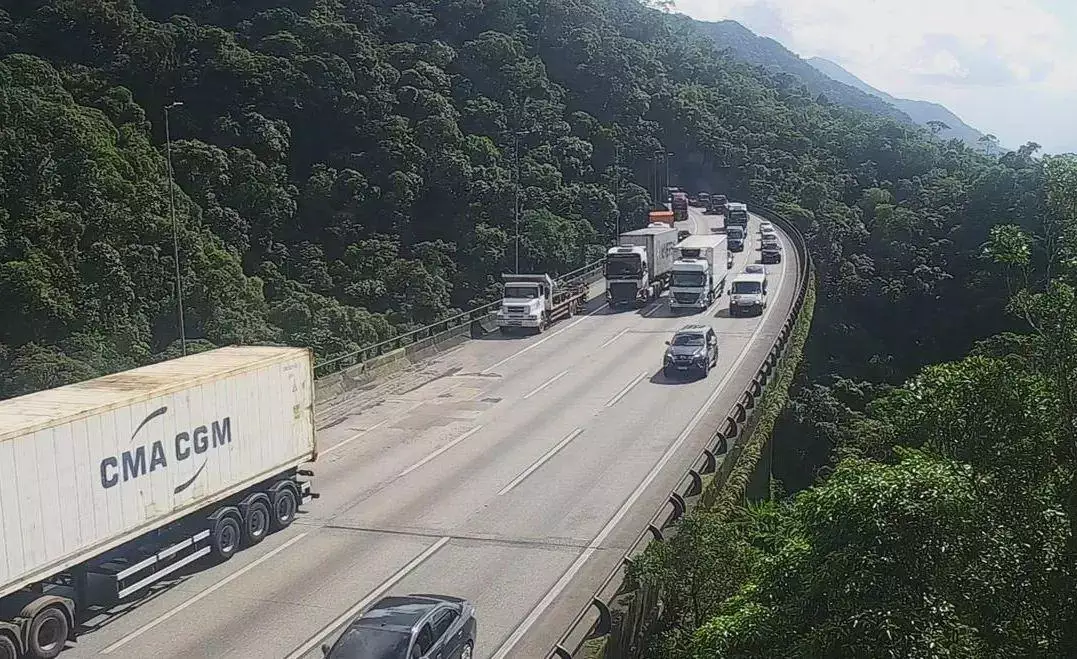
In the last 25 years, the volume of vehicles traveling on the road has increased by more than 50%, and now trucks only have the Via Anchieta to reach the Port of Santos, making the system vulnerable and saturated.
With the continuous increase in cargo transport at the Santos port complex, the construction emerges as a strategic solution to ensure traffic fluidity and the logistical competitiveness of the state of São Paulo.
Additionally, the project will bring significant social benefits by generating approximately 25,000 direct and indirect jobs during construction, boosting local and regional economies.
This monumental work complements other infrastructure investments aimed at modernizing the state’s road network, attracting investments, and driving economic growth.
Innovations That Make a Difference
Curiously, the average slope of 4% of the road was chosen after specific technical analyses to ensure safety and efficiency in traffic, especially for heavy vehicles that face difficulties in curves and steep climbs.
The reversible operation, uncommon on Brazilian roads, is also an innovation that could be essential in addressing seasonal peaks and emergency situations, ensuring greater flexibility and safety in traffic.
Considering the magnitude of the work and its expected impacts, it is evident that the new connection between the Highlands and the Baixada Santista will be a turning point for logistics and road transport in Brazil.
Given so many transformations and expectations, do you believe this work will be able to meet the future demand for cargo transport and significantly improve traffic in the region?