Portuguese
  Spanish


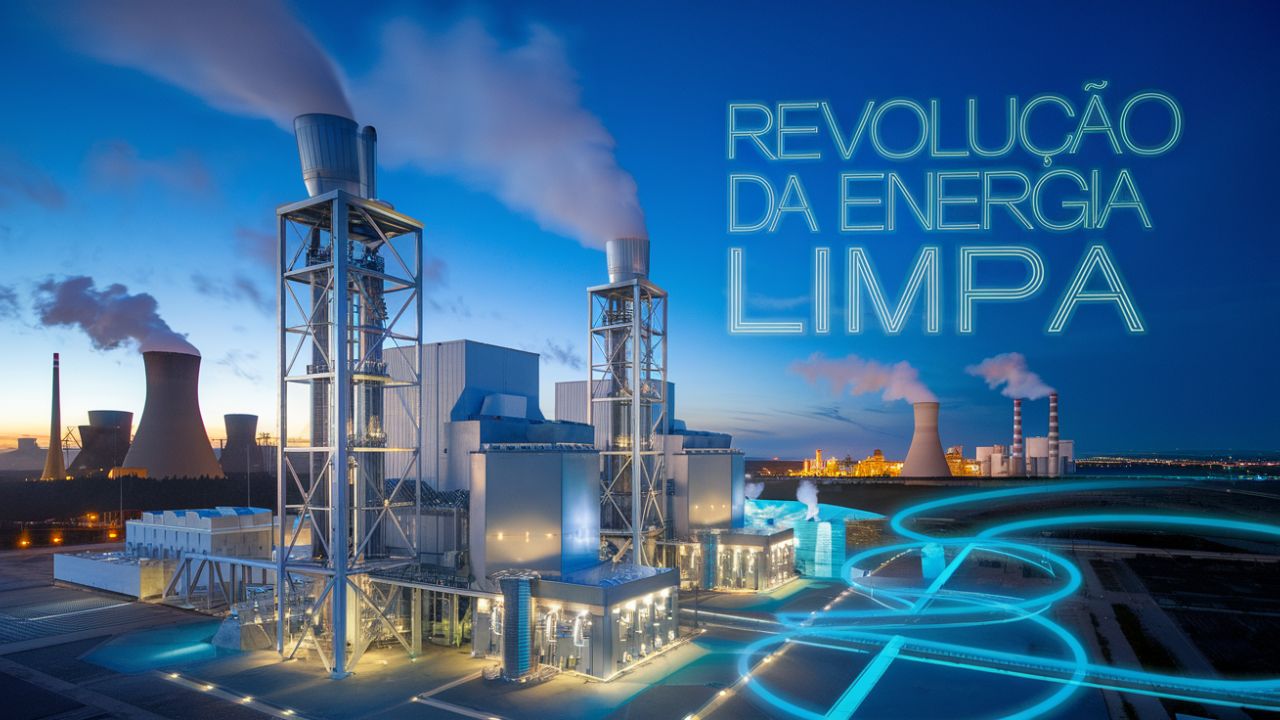

Innovative Technology from South Korea Revolutionizes Energy Generation by Using Chemical Loop Combustion (CLC), Allowing for Efficient CO₂ Capture, Reducing Pollutants, and Sustainable Supply for Cities. The 3 MW Pilot Plant Achieved Record Efficiency, Paving the Way for Global Commercialization and a Greener Economy.
Gas-based energy generation has always faced a dilemma: how to produce electricity efficiently without exacerbating CO₂ emissions? The Korea Institute of Energy Research (KIER) may have found the answer. Recently, the institute developed the world’s largest gas power plant technology based on chemical loop combustion (CLC), an innovative method that allows for the capture of 150,000 tons of CO₂ per year while supplying cities with clean energy.
What Is Chemical Loop Combustion (CLC)?
Unlike conventional power plants that burn fossil fuels by mixing oxygen with nitrogen from the air, CLC employs metallic particles that transport oxygen directly to the fuel. This process prevents CO₂ from mixing with other gases, making its capture much simpler and more efficient.
In practice, chemical loop combustion works like an infinite recycling system. The particles release oxygen during combustion and then reabsorb it when exposed to air, allowing the process to continue without the need for additional equipment to separate the gases. The result? A more efficient power plant with less environmental impact.
-
Brazilian scientists are simultaneously advancing two research projects on clean hydrogen and driving solutions that could transform the energy matrix, enhance industrial competitiveness, and accelerate large-scale emission reduction targets.

-
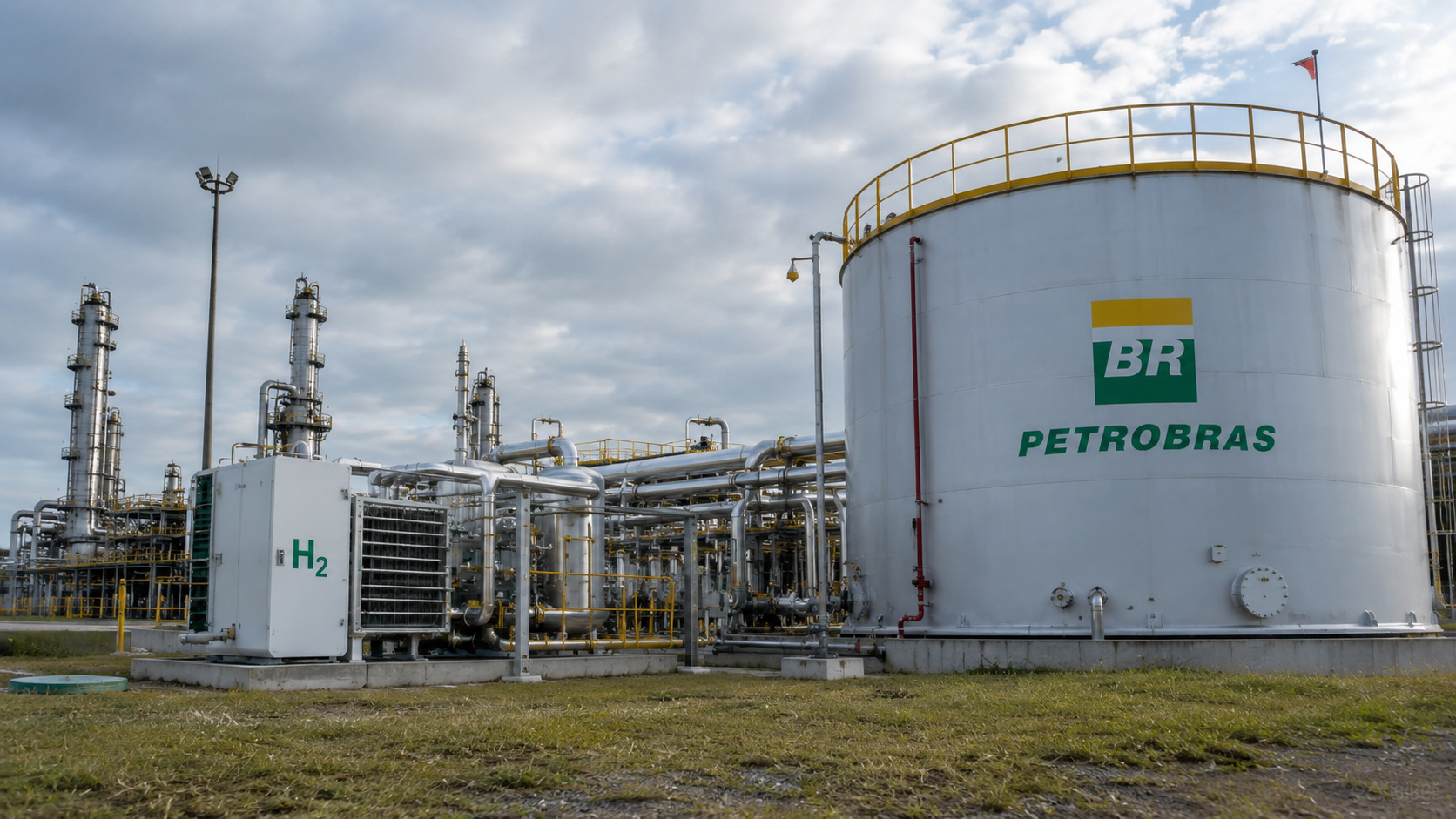
Advancement in renewable energy: A R$ 150 million project launched by Petrobras and Finep aims to create state-of-the-art electrolyzers for green hydrogen, strengthening national research and preparing Brazil to compete in a billion-dollar energy market.
-
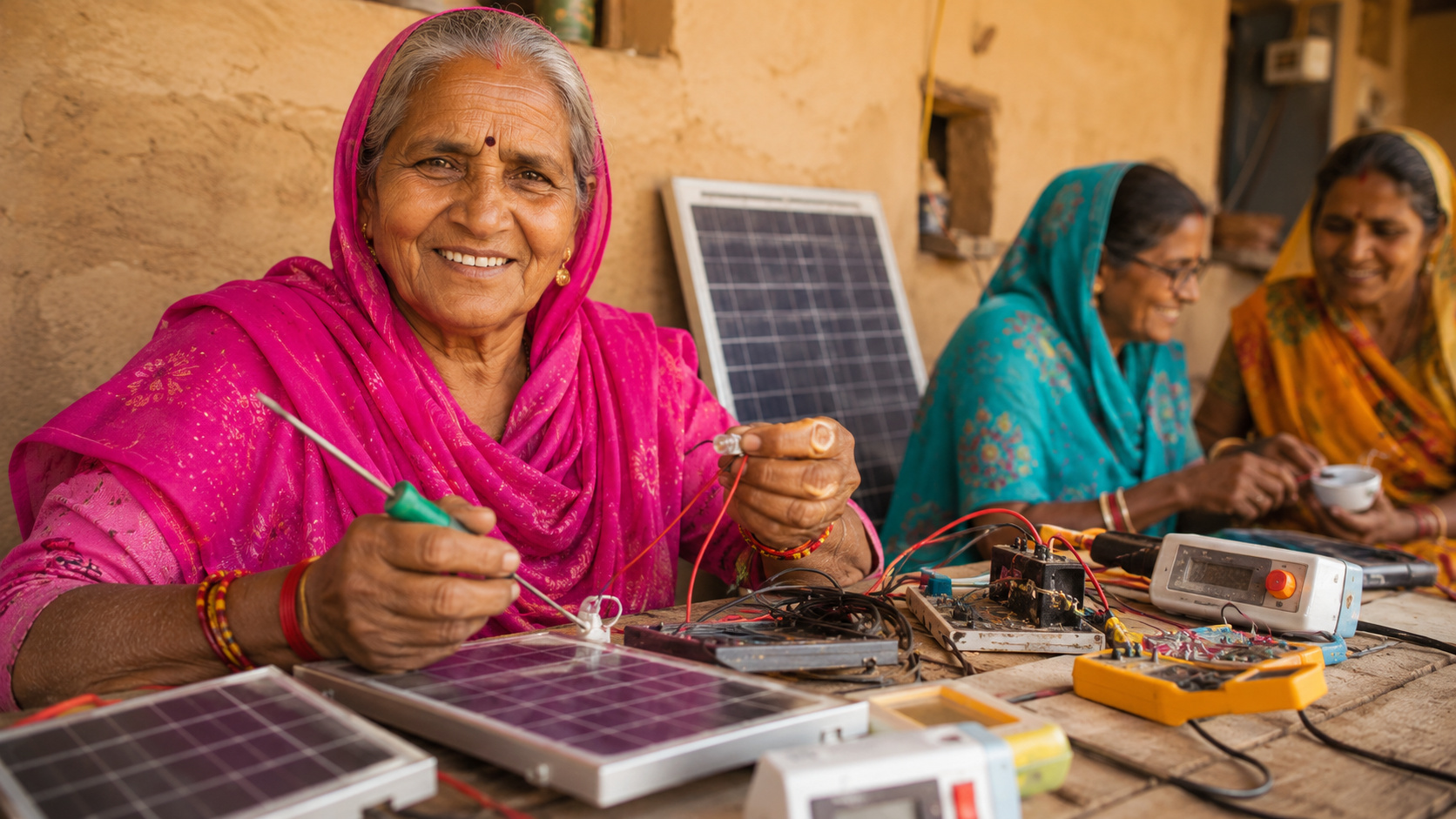
Illiterate or semi-literate grandmothers were trained to repair solar systems, open rural workshops, and light up homes that still depended on kerosene.
-
The world has bet on green hydrogen as the fuel of the future, but now faces the side effect: producing 1 kilogram requires about 9 liters of ultrapure water, and the largest projects on the planet are precisely in the driest regions of the Earth, where water is already scarce for people.

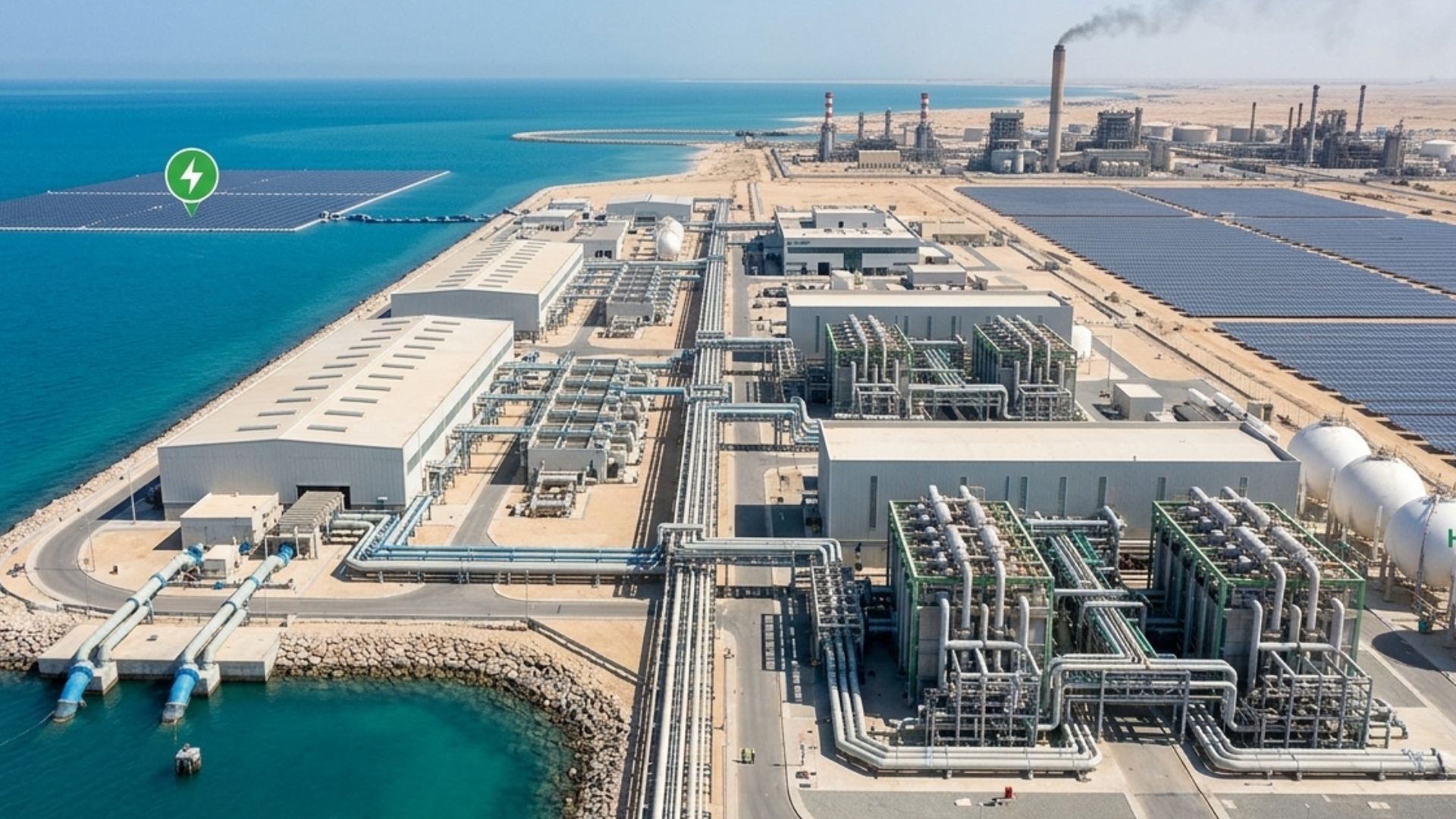
The Largest Power Plant in the World with CLC Technology
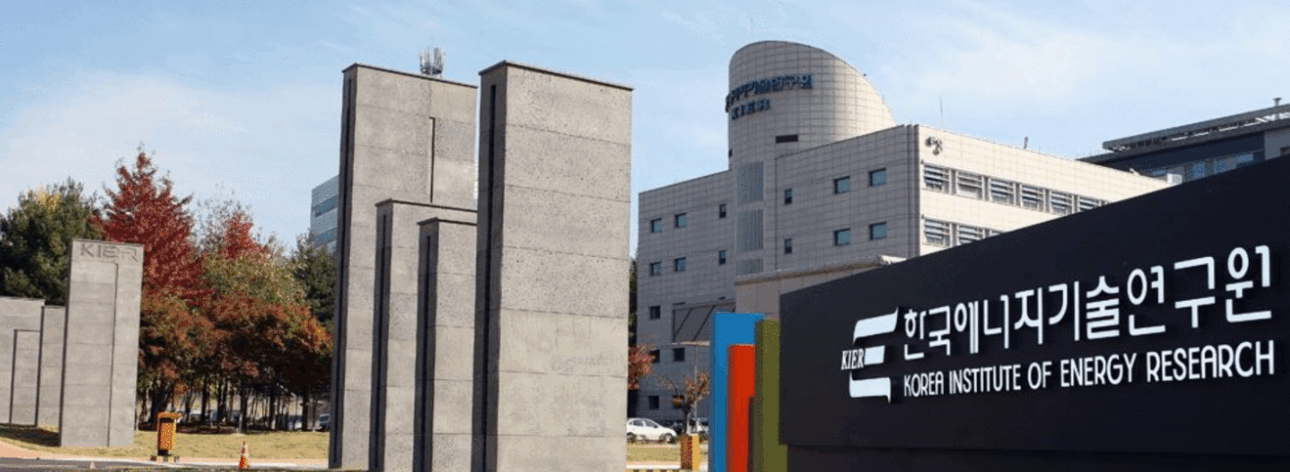
KIER, in partnership with KEPCO Research Institute, tested its 3 MW pilot plant over 300 hours of continuous operation. The system demonstrated a CO₂ capture efficiency exceeding 96%, a historic milestone in energy generation.
The CLC technology not only captures CO₂ but also drastically reduces nitrogen oxide (NOₓ) emissions, one of the main contributors to air pollution. Thus, in addition to being more efficient, this technology is also safer for the environment and human health.
Towards Commercialization and Global Expansion
One of the major challenges in adopting CLC has always been scalability. Small tests tended to show good results, but as the scale increased, heat losses compromised efficiency. KIER managed to overcome this hurdle by refining the process design and optimizing the production of oxygen-carrying particles.
With this optimization, the economic analysis suggests that a 100 MW CLC-based plant could generate an annual operating profit of 14.4 billion KRW (approximately US$ 10.8 million), improving energy generation efficiency by 4% and reducing CO₂ capture costs by 30% compared to traditional methods.
The Future of Energy with CLC
According to Interesting Engineering, if this technology is widely adopted, we may be on the verge of a new era in energy generation. With the ability to drastically reduce carbon emissions and improve operational efficiency, chemical loop combustion could become a standard for gas power plants around the world.
According to Dr. Ryu Ho-jung, chief researcher of the CCS Research Department at KIER, this technology is a crucial step toward achieving carbon neutrality. “We will continue to advance and demonstrate our technology to accelerate the commercialization of cutting-edge energy generation solutions,” says the scientist.
Thus, CLC is not only a promising scientific innovation but also a strong candidate to lead the global transition to cleaner and more sustainable energy.