






 Portuguese
  Spanish
  5 min of reading
  0 comments


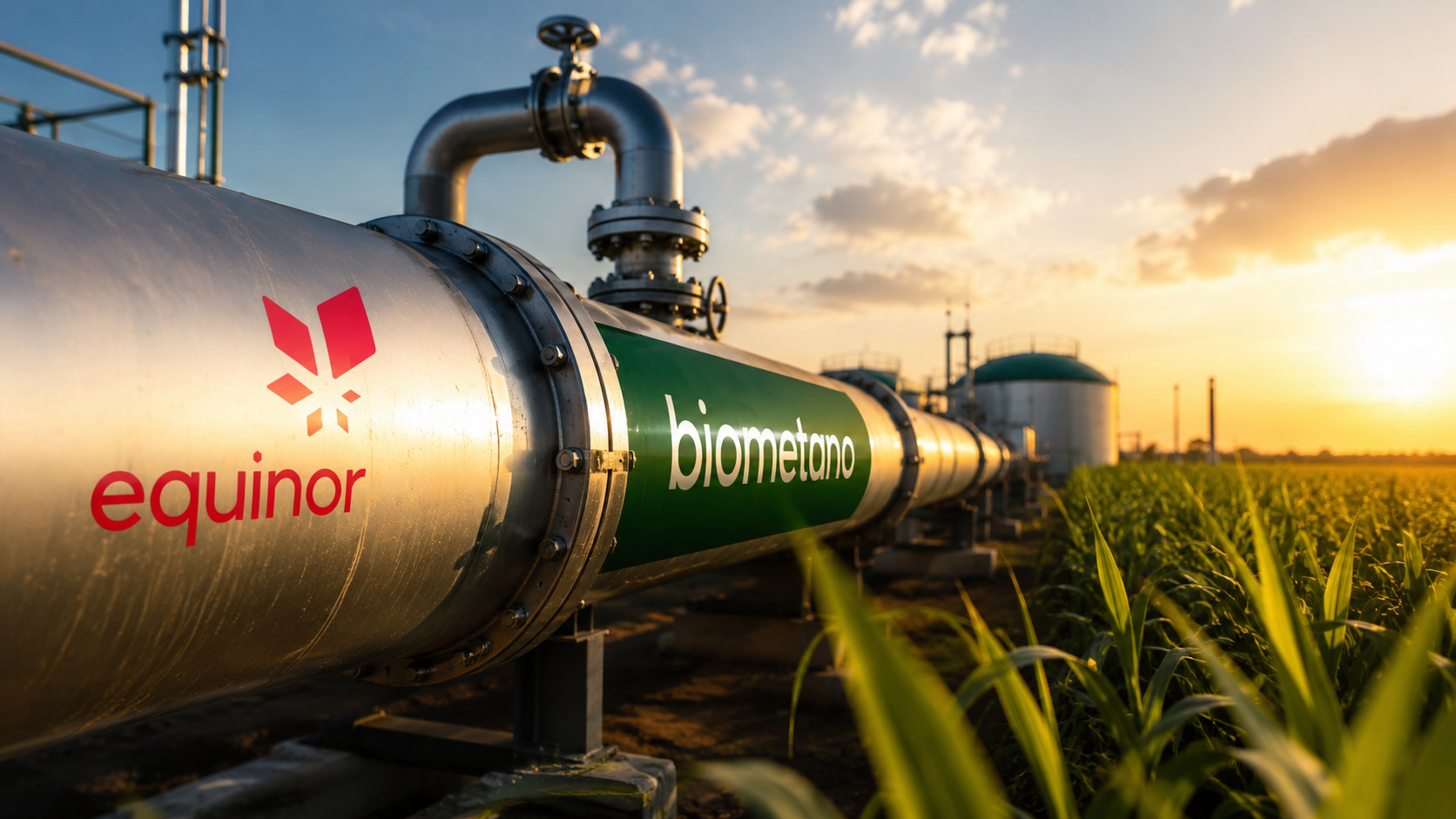
Equinor invests R$ 17.2 million to develop sugarcane biogas, transforming ethanol waste into renewable energy and value for agribusiness.
Equinor announced an investment of R$ 17.2 million in a new biogas project aimed at utilizing sugarcane waste generated by the ethanol industry in the Southeast Region of Brazil. The initiative, named Res2Bio, will also receive R$ 9.2 million from the Brazilian Company of Research and Industrial Innovation (Embrapii), totaling R$ 26.4 million allocated to research over 42 months.
According to information from Canal Rural on May 28, 2026, the goal is to assess the potential of sugarcane biogas produced from by-products such as bagasse, straw, and vinasse, expanding the energy use of these materials and strengthening the production of renewable energy. The project brings together prominent institutions in Brazil and abroad, reinforcing the growing interest in sustainable solutions capable of reducing emissions and generating new economic opportunities for agribusiness.
Equinor bets on sugarcane waste to expand renewable energy production
The new move by Equinor demonstrates how the energy sector is increasingly attentive to the opportunities offered by the bioeconomy. Instead of focusing solely on traditional fuel production, the company intends to explore the potential of waste already generated by the sugar-energy chain.
-
Brazilian scientists are simultaneously advancing two research projects on clean hydrogen and driving solutions that could transform the energy matrix, enhance industrial competitiveness, and accelerate large-scale emission reduction targets.

-
Advancement in renewable energy: A R$ 150 million project launched by Petrobras and Finep aims to create state-of-the-art electrolyzers for green hydrogen, strengthening national research and preparing Brazil to compete in a billion-dollar energy market.
-
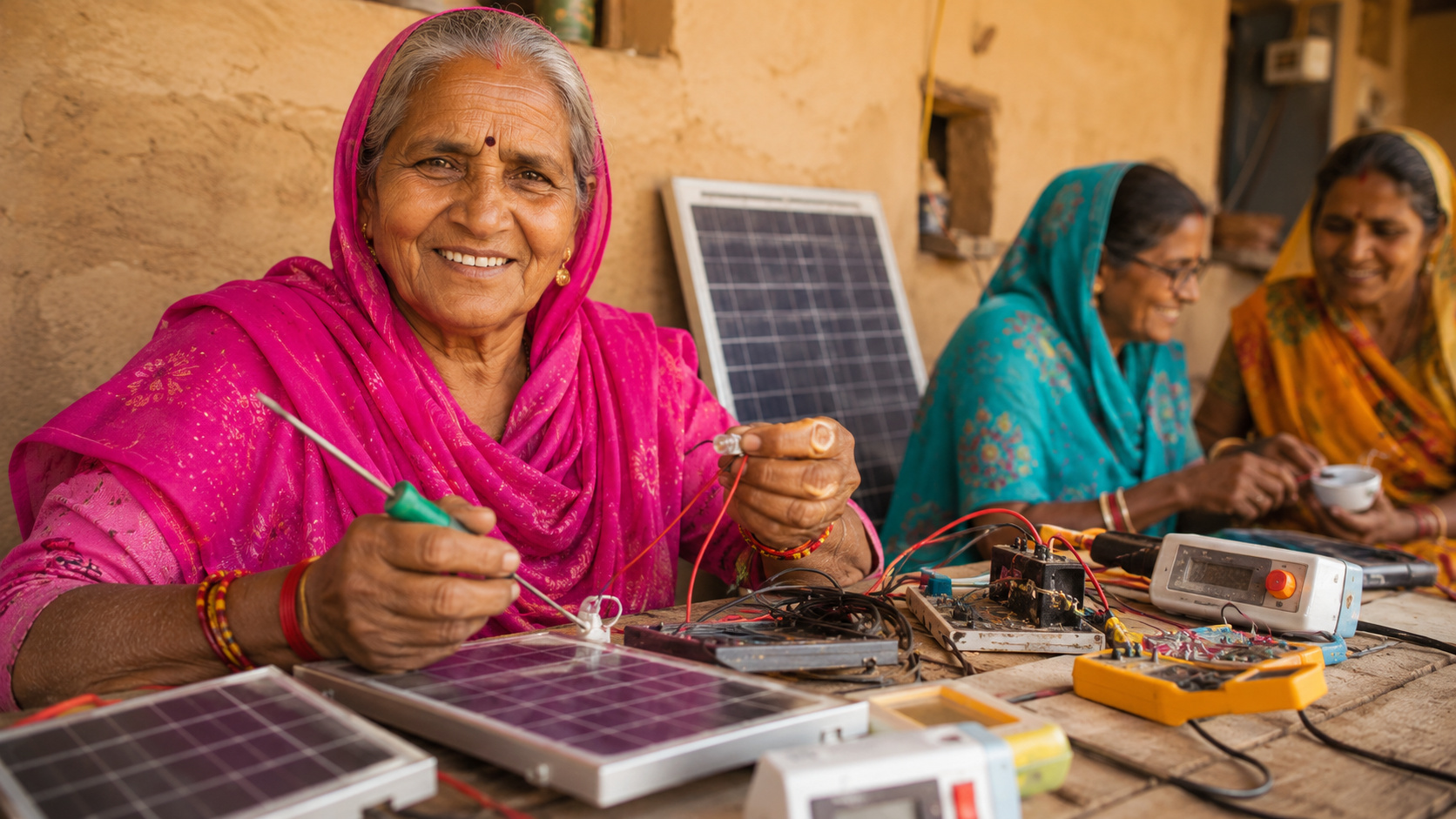
Illiterate or semi-literate grandmothers were trained to repair solar systems, open rural workshops, and light up homes that still depended on kerosene.
-
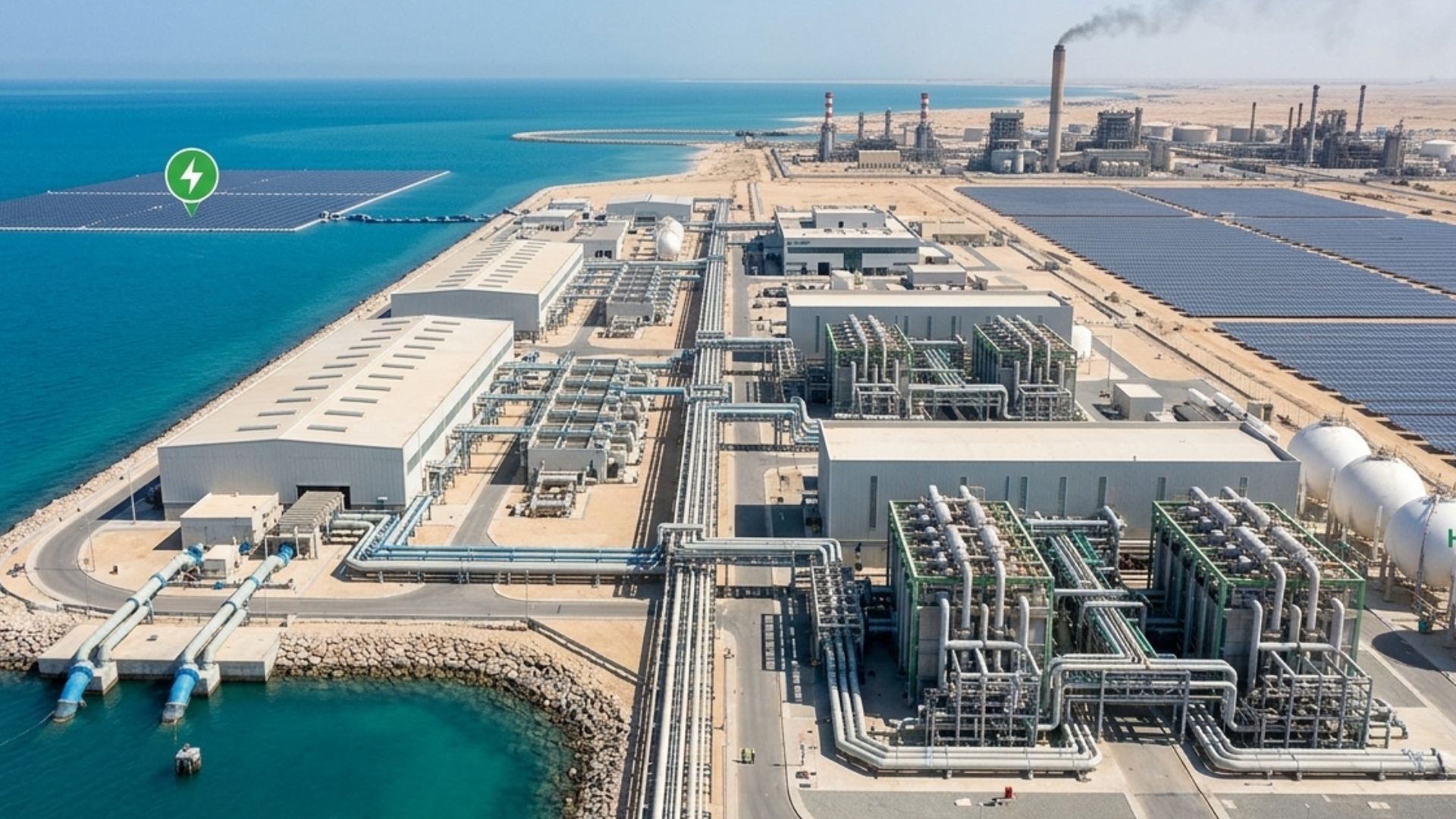
The world has bet on green hydrogen as the fuel of the future, but now faces the side effect: producing 1 kilogram requires about 9 liters of ultrapure water, and the largest projects on the planet are precisely in the driest regions of the Earth, where water is already scarce for people.



The biogas project was created to investigate more efficient ways to transform materials that are usually discarded or have low utilization into a higher value-added energy source. The initiative could pave the way for broader use of sugarcane biogas, considered a sustainable alternative to fossil natural gas.
In addition to the financial contribution, the project also represents an advancement in the integration between science, industry, and agribusiness, three strategic sectors for Brazilian economic development.


Res2Bio biogas project brings together universities and reference research centers
The Res2Bio includes participation from the São Paulo Center for Studies in Biogas and Bioproducts (CP2B), affiliated with Unicamp, and the National Laboratory of Biorenewables (LNBR), which is part of the National Center for Research in Energy and Materials (CNPEM).
The initiative will also have international collaboration from researchers at Aalborg University in Denmark, the Norwegian University of Life Sciences (NMBU), and the Norwegian Institute of Bioeconomy Research (NIBIO).
This combination of experts aims to accelerate the development of technologies capable of increasing the efficiency of biogas production and, subsequently, sugarcane biomethane, using scientific knowledge from different regions of the world.

How Equinor’s R$ 26.4 million investment will be applied over 42 months
The total investment of R$ 26.4 million will be directed towards research focused on the energy utilization of waste generated by ethanol production.
Among the main points to be analyzed are:
- Methods of pre-treatment of waste;
- Combination of different raw materials;
- Increase in biogas production;
- Technologies for gas purification;
- Separation of methane to meet commercial standards.
Researchers will also evaluate which strategies show the best technical and economic performance for future industrial-scale applications.
As it is a Research, Development, and Innovation (R&D&I) project, the studies are still in the initial phase and there are no definitive estimates on future production capacity.
Sugarcane biomethane can transform waste into a new source of economic value
The Brazilian sugar-energy industry generates large volumes of waste every year. Bagasse, straw, and vinasse are part of the routine of plants and already have different applications, but there is still room to expand their use.
In this scenario, sugarcane biomethane emerges as an alternative capable of adding value to materials that are already part of the production process. Instead of being treated only as by-products, these wastes can become raw materials for renewable fuels.
This model contributes to the so-called circular economy, where resources are reused more efficiently, reducing waste and creating new business opportunities.
Renewable energy gains ground in the global decarbonization strategy
The growing demand for low-emission fuels has driven similar projects in different countries. Sugarcane biomethane is considered a promising solution because it can be used in various applications without requiring major changes to existing infrastructure.
In practice, this means that the fuel can serve sectors such as:
- Heavy transport;
- Industry;
- Power generation;
- Gas distribution.
This compatibility facilitates its adoption and increases the potential for expansion of renewable energy in the Brazilian market.
Furthermore, the production of biomethane can contribute to reducing emissions associated with the natural decomposition of organic waste, turning an environmental liability into an energy resource.
Andrea Achoa highlights the strategic potential of Equinor’s initiative
According to information released by the company itself, Andrea Achoa, Director of Research, Development, and Innovation at Equinor, highlighted the importance of the project for generating scientific knowledge and developing applicable solutions to the energy sector.
The executive also emphasized the potential of utilizing organic waste as a way to generate environmental and economic benefits. The assessment aligns with the company’s global strategy to support initiatives related to energy transition and the development of low-carbon technologies.
The company’s participation in such projects reinforces Brazil’s relevance within the international bioenergy scenario.
Brazilian agribusiness may gain a new growth front
Brazil holds a prominent global position in the production of sugarcane and ethanol. Therefore, any technological advancement related to the utilization of waste from this production chain has the potential to generate significant impacts.
The biomethane project could indicate ways to increase the profitability of plants and enhance the integration between agriculture, industry, and energy generation. If technical feasibility is proven, new business opportunities may arise around the production of renewable fuel.
This scenario tends to further strengthen the role of Brazilian agribusiness within the global energy transition, especially at a time when various countries are seeking alternatives to reduce dependence on fossil fuels.
What the coming years may reveal about the potential of biomethane
The results obtained over the 42 months of research will be crucial to determine the potential for technology expansion. The work should show which residues perform best, which processes are most efficient, and which models have the greatest economic viability.
Although it is still early to estimate commercial production volumes, the project represents an important step for the development of sugarcane biomethane in Brazil.
With the support of Equinor, Embrapii, Unicamp, CNPEM, and international institutions, the initiative can contribute to transforming agricultural residues into a strategic source of renewable energy, adding value to the sugar-energy chain and strengthening the country’s position in the global bioenergy market.
With information from Canal Rural.




Be the first to react!