Portuguese
  Spanish


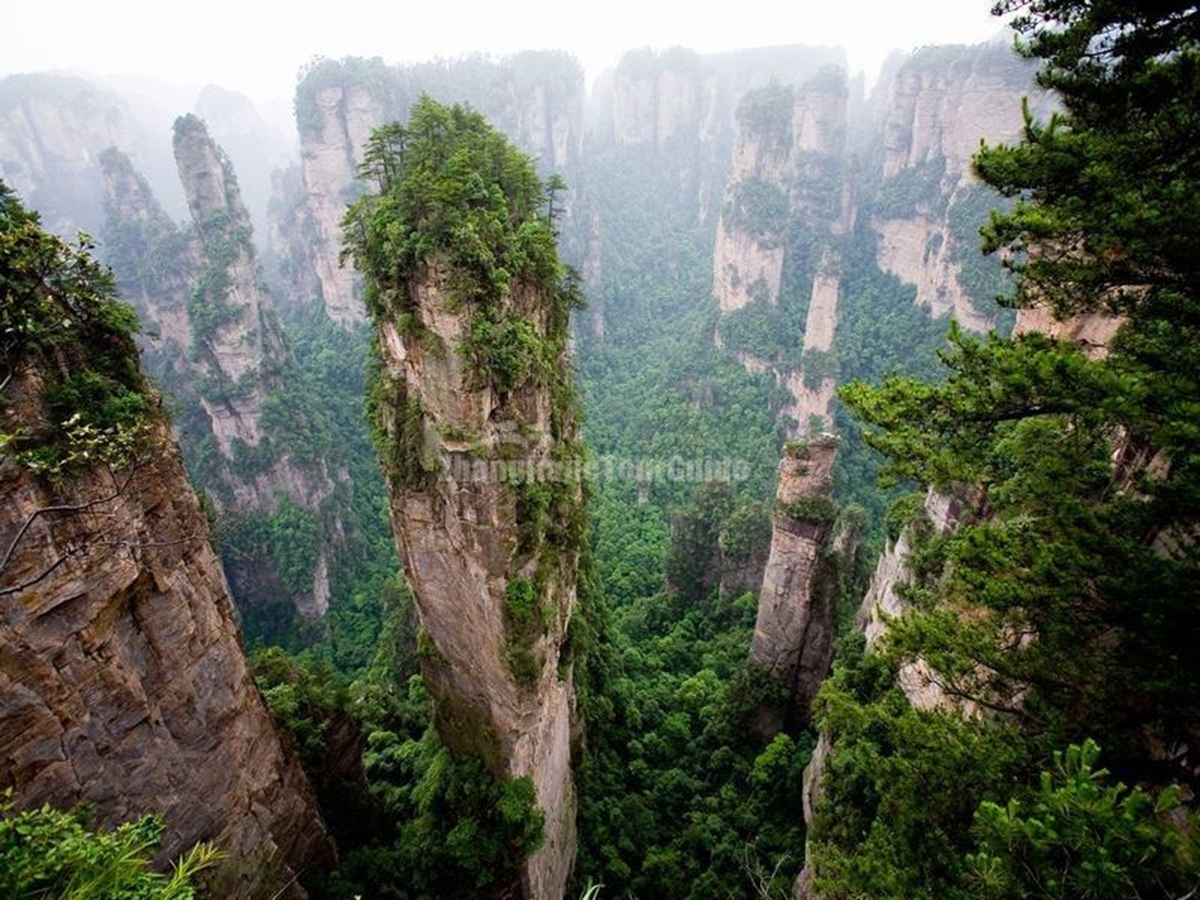


With 1,080 Meters in Height, the Avatar Hallelujah Mountain in Zhangjiajie National Park Impresses with Its Sandstone Pillars, Surreal Landscapes, and Climate That Changes with the Seasons
Located in the Zhangjiajie National Forest Park in the Wulingyuan District of Hunan Province, China, the Avatar Hallelujah Mountain is one of the country’s most impressive natural icons.
With a height of 1,080 meters, it is part of a set of about 3,000 vertical quartz sandstone pillars that form the spectacular landscape of the region.
Before 2010, it was known as the Southern Sky Column but was renamed to its current name for having served as inspiration for the “Hallelujah Mountains” in the film Avatar.
-
Rural Worker Spotted “Flying” on a Drone in Brazil

-
Turkish Cave Suggests Neanderthals and Homo Sapiens Shared Cultural Traditions for Millennia; Discovery Unveils Similar Tools, Hunting Techniques, and Shells at a Major Prehistoric Site
-
Burkina Faso Bans NGOs from Photographing Vulnerable People Without Consent and Outlaws Fundraising Campaigns Exploiting Suffering
-
Giant Earthworms up to 2 Meters Long Secretly Sustain Fertility in the Amazon Rainforest



How to Get to Avatar Hallelujah Mountain
The most practical entry point for those visiting Zhangjiajie is the Hehua International Airport. There are direct flights to the city from Beijing, Shanghai, Guangzhou, Xi’an, Chengdu, and other Chinese capitals. To save money, it is recommended to book tickets weeks or months in advance.
Those who prefer to travel by land can take a train or bus. The Zhangjiajie Railway Station receives direct lines from major hubs like Beijing, Shanghai, Xi’an, Shenzhen, Yichang, and Changsha.
For a more comfortable journey, it is advisable to secure a cabin with a bed by booking tickets one or two days in advance.
What to Wear and When to Visit
The choice of clothing depends greatly on the time of year. In spring, temperatures are mild, but it is important to bring a jacket, as rain can cool the weather in the higher parts of the park. In summer, the heat is intense, and T-shirts or shorts are sufficient.
As the trail is made up of walkways and paved stairs, regular sneakers work well—many visitors opt for jeans or even dresses during the outing.
The best time to visit is from late spring to autumn. Between spring and summer, visitors can admire the famous “sea of clouds” that envelops the pillars after occasional rains.
In autumn, the landscape gains vibrant hues of red and gold leaves.
Winter, although harsher and colder, offers the rare spectacle of snow-covered mountains—ideal for those seeking a different scenery, but it requires preparation for the low temperatures.