Portuguese
  Spanish


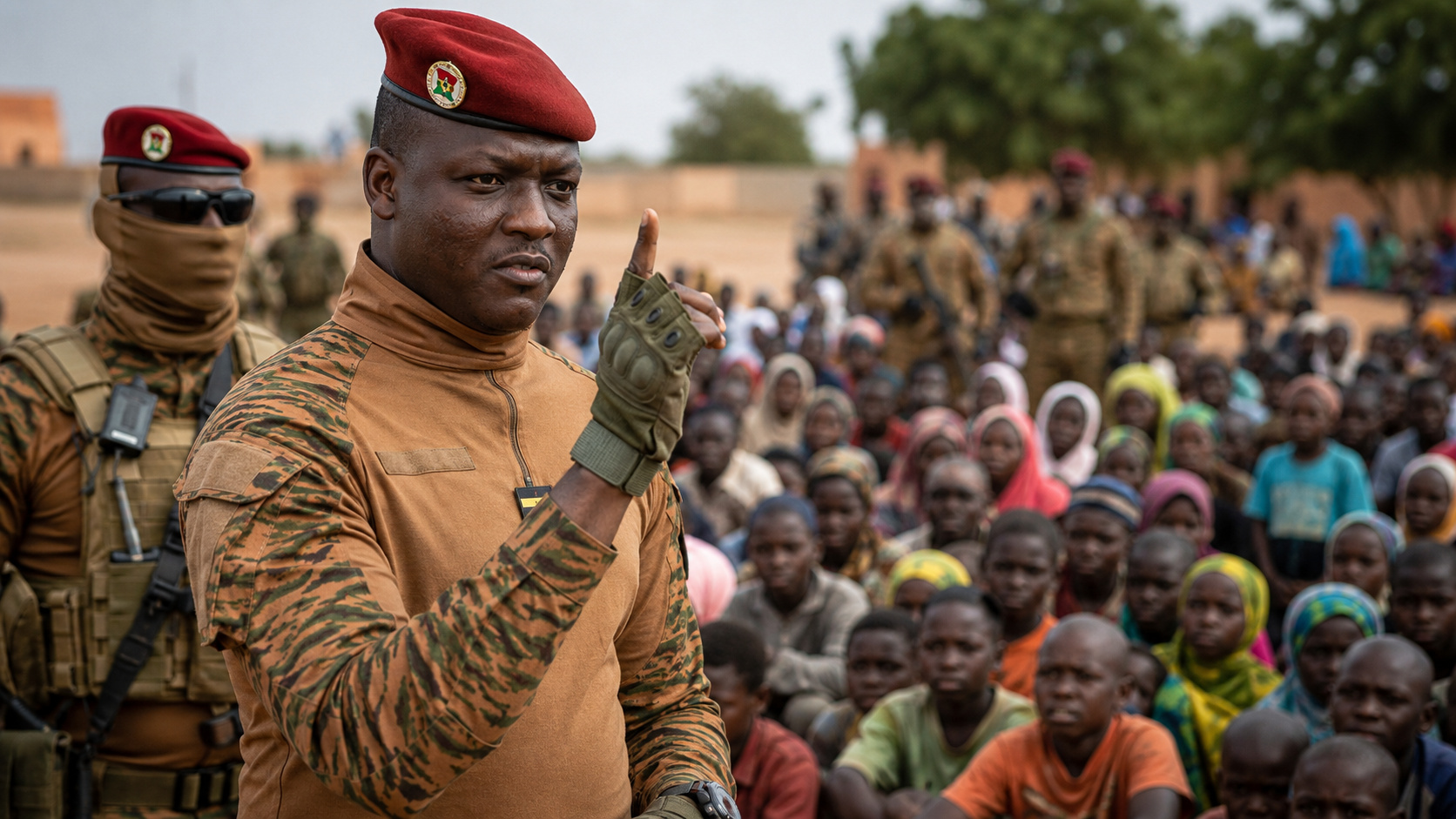

Burkina Faso approved rules for NGOs and humanitarian aid, banned degrading images of vulnerable people, and started requiring prior authorization.
The government of Burkina Faso approved, on July 2, 2026, a decree that tightens the rules for humanitarian interventions in the country. Among the points announced in the Council of Ministers is the prohibition of exposing images of vulnerable people alongside received donations, a measure presented as a way to protect the dignity of the beneficiaries.
The new regulation also expands state control over the humanitarian area. According to the state newspaper Sidwaya, the government started requiring accreditation for humanitarian organizations and, in a statement published on July 7, 2026, the Ministry of Family and Solidarity informed that any public appeal for solidarity or resource collection in favor of vulnerable people must obtain prior authorization from the ministry.
New rules for NGOs and humanitarian aid in Burkina Faso
According to the official report of the Council of Ministers, the decree creates a new framework for humanitarian interventions in the country. The text announced by the government determines that organizations operate under formal accreditation, giving the State greater control over their territorial distribution and areas of activity.
-
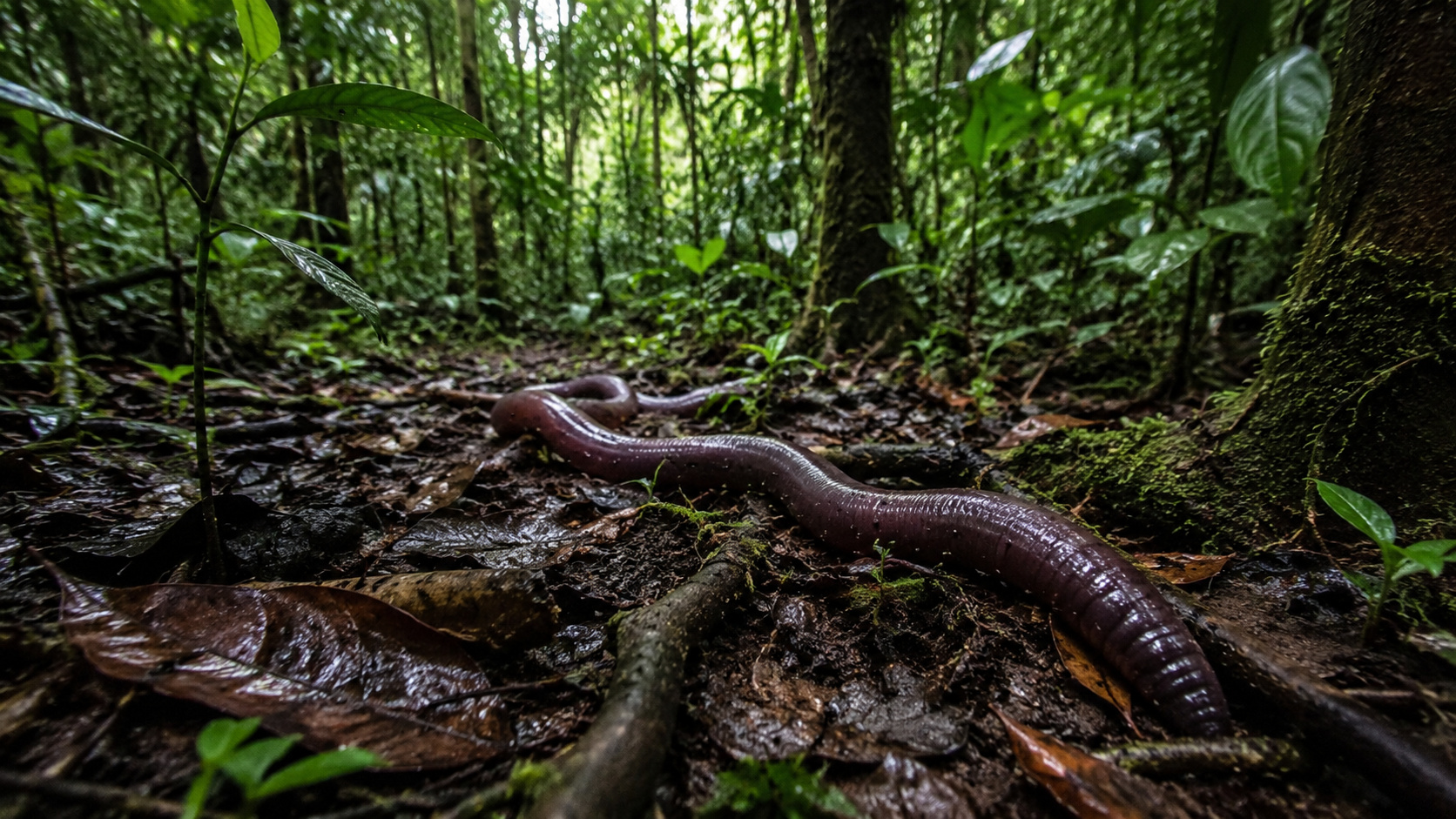
Giant Earthworms up to 2 Meters Long Secretly Sustain Fertility in the Amazon Rainforest

-
Brazil Launches Ambitious Project to Recycle Toothpaste Tubes and Toothbrushes, Aiming to Revolutionize Waste Management

-
The Mystery of Roanoke: Entire Colony Vanished Without a Trace, Leaving Only “Croatoan” as a Clue and Becoming a Historical Legend
-
Namibia Plans to Build Homes for the Homeless Using Mushrooms and Invasive Plants to Tackle Housing Crisis




The same announcement informed that 60% of the funding should be directed to early recovery and empowerment of the assisted people, with the declared objective of reducing prolonged dependency on aid. The decree also adopts the principle of “consume local” in the acquisition of donations intended for vulnerable populations.
In the most sensitive point of the new policy, the government informed that the exposure of images of vulnerable people alongside donations is prohibited.
This was the formulation confirmed in the official sources consulted. I cannot confirm this when the rule is described, more broadly, as a general requirement for formal prior consent for any individual photography or filming.
Government says focus is to protect dignity, privacy, and rights of beneficiaries
In the statement reproduced by Sidwaya, the Ministry of Family and Solidarity stated that the intention of the reform is not to curb solidarity, but to align it within the laws, with more transparency and respect for the dignity of the assisted people.
The government also linked the new policy to the national platform Dèmè Sira, created to monitor contributions and the destination of resources.

The same official communication states that the reform seeks to ensure that each aid is provided without violating the privacy and fundamental rights of the beneficiaries. The text also maintains that people in poverty, forced displacement, disability, or other vulnerable situations should not be exposed on social networks because of the assistance received.
This argument reinforces the line adopted by the government of Ibrahim Traoré, which has begun to treat humanitarian communication not only as an operational issue but also as a matter of human dignity, institutional control, and sovereignty over how vulnerability is publicly displayed.
Decision was announced amid crackdown on associations, NGOs, and civic space
The new rule did not emerge in isolation. On April 15, 2026, the Ministry of Territorial Administration and Mobility announced the dissolution of 118 NGOs and associations, in addition to banning their activities, according to a report by Amnesty International on the measure.
The organization also recorded that on January 29, 2026, all political parties were dissolved after years of suspension. Before that, in November 2025, a presidential decree had already forced national and international NGOs to close their accounts in commercial banks and transfer the resources to a banking structure controlled by the State within the National Treasury.
This set of decisions reinforces the environment of greater centralization of power in the country since the military junta took control in 2022. The critical reading made by human rights entities is that the regulation of humanitarian action advances in parallel with the broader narrowing of the civic space in Burkina Faso.
Closure of the UN Office Increased International Pressure on Burkina Faso
The regulatory tightening also coincides with the worsening of tensions between the Burkinabe government and international organizations. On July 2, 2026, Reuters reported that the Office of the United Nations High Commissioner for Human Rights would end its operation in the country by November 30, 2026, after having its activities suspended by the authorities.

According to the agency, the suspension occurred after a UN statement that urged the government to preserve the civic space. The UN human rights chief, Volker Türk, expressed deep regret over the authorities’ decision to indefinitely suspend the organization’s presence in the country.
This episode increased the external perception that Burkina Faso is going through a phase of greater political control over associations, civil groups, and international institutions. Within this context, the new decree on humanitarian actions began to be seen not only as an ethical norm regarding images but also as another piece of a broader institutional rearrangement.