Portuguese
  Spanish


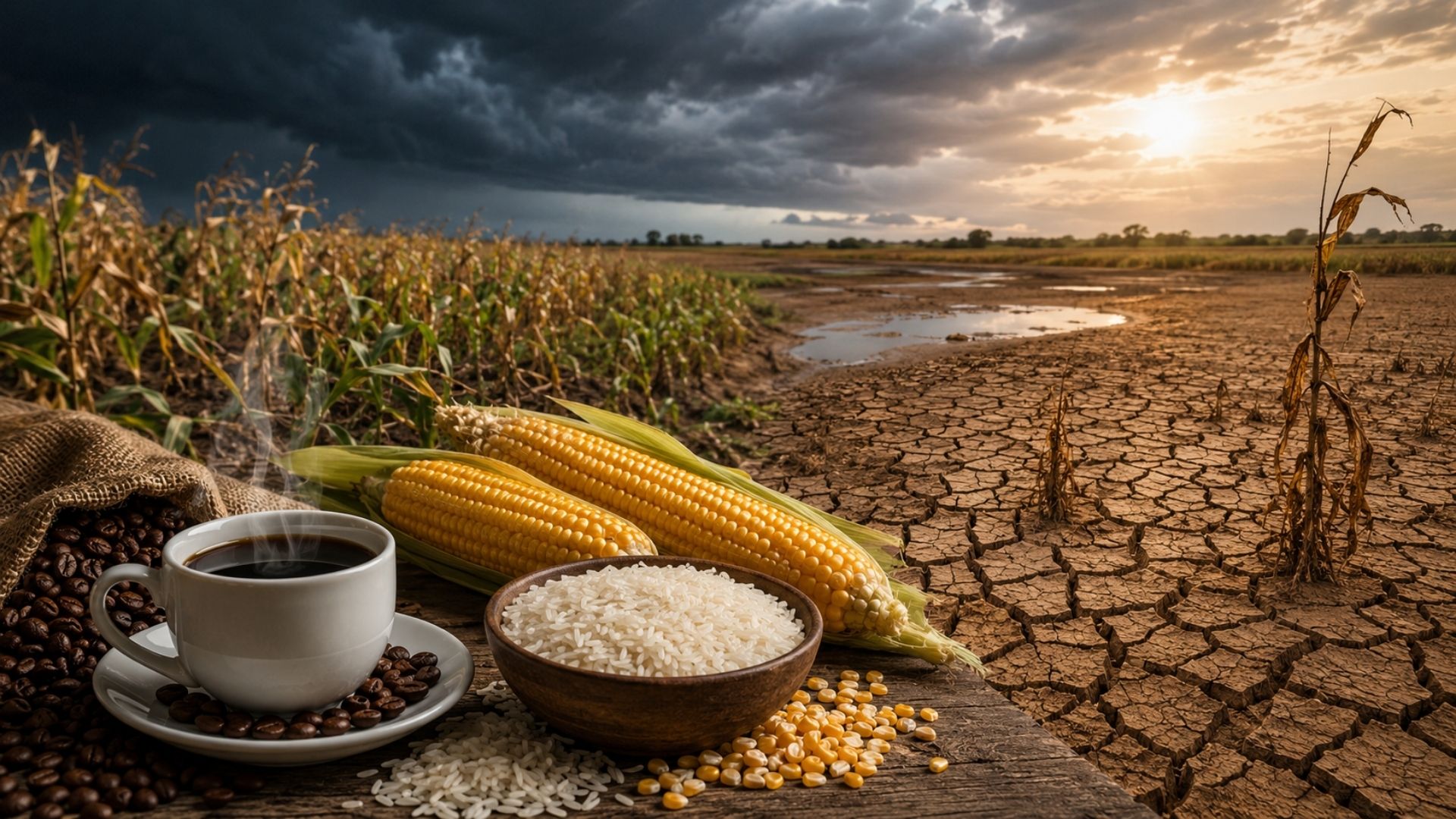

Economists warn that the El Niño phenomenon may reduce crops in Brazil and pressure food prices, especially coffee, corn, and rice. According to analyses by Itaú BBA and consultancy 4intelligence, the impact tends to spread mainly from 2027, and the phenomenon may contribute at least 1 percentage point to food inflation in 2026. Today, the sack of Arabica coffee has already risen more than 4% in a month.
The warning is about the wallet, not the weather. According to g1, economists point out that El Niño may reduce the production of items such as coffee, corn, rice, orange, and wheat, which tends to raise the food prices and pressure food inflation in the coming months.
Market numbers help gauge the risk. According to CEPEA/Esalq, a reference for agricultural prices in Brazil, the 60 kg sack of Arabica coffee has already risen more than 4% in June 2026, a movement that shows how crop factors quickly translate into coffee price and, ultimately, the value that reaches the shelf. Next, see what has already risen and what economists project, how much the sack costs today, why coffee is the most threatened, how corn and rice affect the Brazilian table, and what this rise in food prices means for your wallet.
What has already risen and what economists project
It is important to separate what has already happened from what is forecast. Part of the rise in food prices has already appeared: Arabica coffee rose more than 4% in June 2026, and rice also registered an increase in daily indicators, signs that the pressure on prices has begun.
-
Brazil’s First Freight Railway Built from Scratch, EF-118 Connecting Espírito Santo to Rio de Janeiro, Goes to Auction in October Attracting Chinese Giant in Multi-Billion Dollar Bid for Southeast Rail Network

-
Audit in Rio de Janeiro’s State Government Uncovers Ghost Employees Across All 77 Departments, Leading to Over 4,000 Dismissals and Significant Cost Savings

-
Audit Reveals 80% of Ghost Employees in Rio Government Departments, Leading to Over 4,000 Dismissals and Saving the State $3.3 Million Monthly
-
Former Shoe Factory Worker Turned Entrepreneur Opens 19th Tool Store, Projects $230 Million Revenue, Expands to São Paulo


Most of the impact, however, is projection. According to the economists interviewed, the strongest effect on food prices should spread mainly from 2027, when the affected crops reach the market, which means that the promised increase is still largely in the realm of expectations.
The products on the radar are well-known. Cesar Castro Alves, manager of the Agro Consultancy at Itaú BBA, points out that the items most subject to impact are corn, coffee, fruits, orange, sugarcane, wheat, and rice, a list that covers a large part of the basket and explains the concern with food inflation.
The bill reaches the official inflation. Economist Bruno Imaizumi, from 4intelligence, estimates that the phenomenon could contribute at least 1 percentage point to the food inflation of 2026, especially in the second half, and the Ministry of Finance has already indicated that it should revise the year’s inflation projection upwards.
How much does a sack cost today: the base price
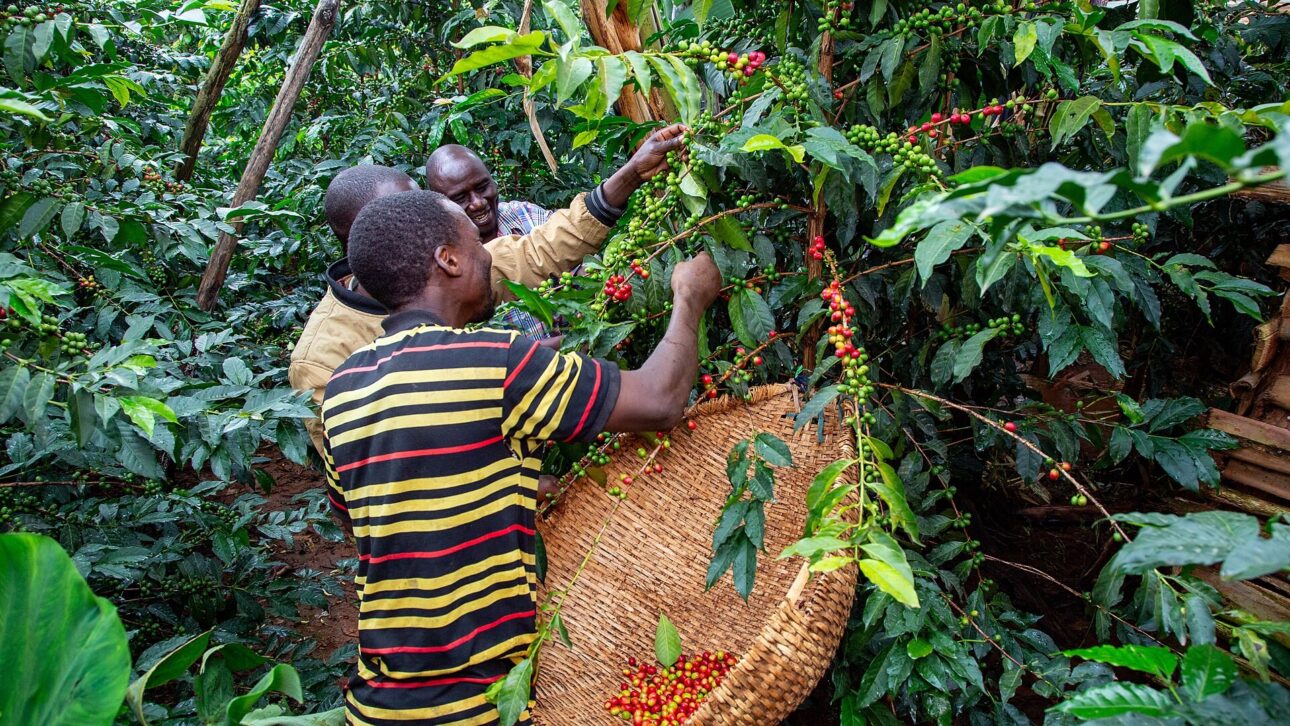
To understand the increase, it is necessary to look at the starting point. The price of arabica coffee is around R$ 1,474 per 60 kg sack, an already high level that serves as a base to measure any additional increase driven by a smaller harvest.
Corn has its own indicator. The 60 kg sack of corn is traded around R$ 64, a price that is of interest far beyond the grain itself, as corn is a raw material for feed and, therefore, influences the price of animal-based foods, such as meat and milk.
Rice completes the Brazilian table trio. The sack of rice also appears in daily indicators with a slight increase, and since it is an almost universal consumption item in the country, any movement in its price is quickly felt by families.
These values are the measure of the matter. By monitoring the price of foods like coffee, corn, and rice, it is possible to compare how much each forecasted increase represents in practice, turning economists’ warnings into concrete numbers that consumers understand.
Coffee, the most threatened: loss of up to 25% in 2027
Coffee is the protagonist of the alert. According to the cited projections, a more intense El Niño could cause a loss of up to 25% of coffee production in the 2027 harvest, a blow that, if confirmed, would have a direct and strong effect on the price of coffee in the market.
The logic is supply and demand. Less coffee harvested means less supply for the same demand, and this scarcity usually pushes the price up, both for the industry and for the consumer who buys the package at the supermarket.
Brazil feels this doubly. As the world’s largest producer and exporter of coffee, the country has the bean as a significant item in the trade balance and also on the Brazilian table, so a crop failure affects both exports and the internal food prices.
That’s why coffee leads the way. The already recorded increase of more than 4% in a single month shows that the price of coffee reacts quickly to any sign of a smaller harvest, and it is this sensitivity that makes the bean the symbol of the risk of rising food costs.
Corn and rice: from the field to the shelf
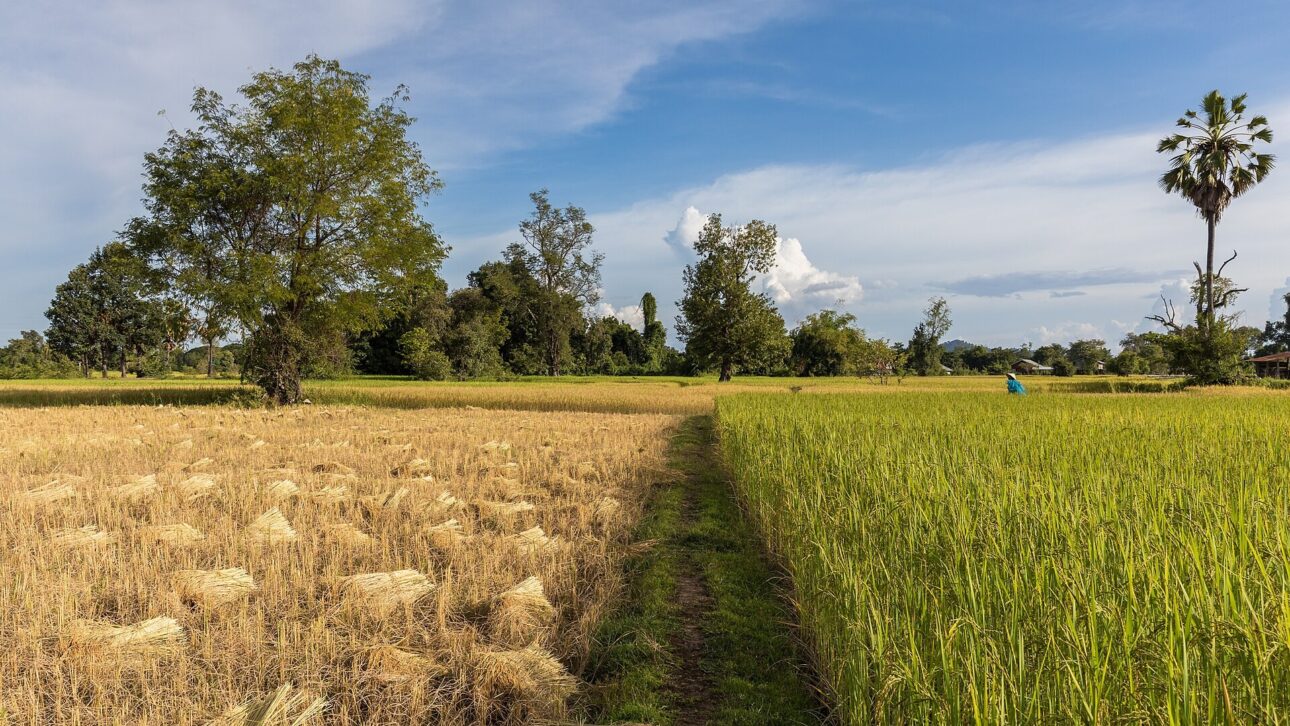
Corn is a dangerous wildcard. Besides going directly to the table, corn is the basis of feed used in animal breeding, so an increase in its price raises the cost of meat and milk production, spreading the effect throughout the chain and increasing pressure on food prices.
The numbers reinforce the warning. It is estimated that, in El Niño years, the global average productivity of corn drops by about 4%, a reduction that, combined with other factors, can reduce supply and contribute to the rise in food prices that depend on the grain.
Rice is the most sensitive for the consumer. An item present in practically every meal in Brazil, rice has a price that Brazilians closely monitor, and any increase is immediately noticed in the family budget.
Together, corn and rice define a large part of the bill. As basic and widely consumed foods, they have a significant weight in food inflation, and that is why the possibility of smaller harvests raises the alert about food prices in the coming months.
Why a smaller harvest turns into a higher price
The technical point is simple. El Niño alters the rainfall pattern, bringing excess water in some regions and drought in others, which disrupts planting and harvesting and can reduce both the quantity and quality of the harvest, at the root of the risk of rising food prices.
Less supply pressures the market. When the harvest shrinks, there is less product to meet demand, and this scarcity tends to raise the price paid by the industry and, subsequently, by the consumer, in a chain effect that starts from the field and reaches the shelf.
Quality also matters. Besides volume, a compromised harvest can deliver lower quality grains, which further reduces the supply of good products and reinforces the pressure on food prices, especially in demanding items like coffee.
That’s why the warning makes sense. Even though the climate is the trigger, what matters to the consumer is the economic result: a smaller harvest of coffee, corn, or rice tends to turn into a higher price at the checkout, and this is the link that economists highlight when talking about food inflation.
So, will food become more expensive in the coming months?
Here, honesty with the reader is important. Part of the food prices has already increased, as in the case of coffee, but the widespread increase is mainly a projection, and economists themselves indicate that the stronger impact is expected to be concentrated in 2027, when the affected crops reach the market.
In other words, it’s a risk, not a total certainty. Forecasts point to pressure on food prices, but the size and exact timing of the increase depend on how the climate behaves and how much each crop is actually affected, which is still open.
Consumers should stay alert. Even if the major impact comes later, items like coffee are already showing increases, and keeping track of the price of coffee, corn, and rice helps families plan and understand the movements of food inflation in the coming months.
A balanced reading is best. Neither panic nor carelessness: the scenario points to food prices under pressure, with some already felt and some predicted, and this combination makes the topic so relevant to the Brazilian’s wallet.
Why does more expensive corn affect meat and milk?
The link is the feed. Corn is the main ingredient in the feed used for raising confined animals, so when the price of the grain rises, the cost of producing meat and milk also increases, and part of this cost is passed on to the consumer.
The effect is indirect but real. An increase in corn doesn’t just appear in the grain aisle of the supermarket; it also pushes up the prices of animal-based foods, showing how a single input can affect several shelves at once.
That’s why corn is so closely watched. By affecting protein, the price of corn has a broader reach than it seems, and that’s why economists place it among the most important items when discussing the impact of El Niño on food inflation.
The consumer feels it firsthand. If the 2027 corn crop is smaller and the grain becomes more expensive, the trend is for more expensive meat and milk to follow, a clear example of how food prices are connected in a chain, from the field to the plate.
What the rise in food prices means for the Brazilian’s wallet
The most direct impact is on the basic food basket. Coffee, rice, and corn are daily consumption items, and any increase in their price weighs on the basic food basket and family budgets, especially for lower-income families, who spend a larger portion of their salary on food.
Official inflation also comes into play. With the Ministry of Finance signaling an upward revision of the 2026 inflation projection, food inflation stands out as one of the factors that could make life more expensive for Brazilians throughout the year.
There is also the export side. As Brazil is a major exporter of coffee and other products, crop failure affects not only the price of food domestically but also the trade balance, in an effect that ranges from the supermarket to foreign trade.
In the end, it all comes down to daily life. From the morning cup of coffee to the lunch plate of rice, the price of food is felt with every purchase, and that’s why the economists’ warning about more expensive coffee, corn, and rice directly impacts the lives of those who balance the budget at the end of the month.
And you, have you noticed coffee and rice getting more expensive?
In the end, the message from economists is to pay attention to your wallet. El Niño can reduce crops and put pressure on the price of food, with coffee, corn, and rice at the center of the alert, even though much of the impact is projected for 2027 and depends on climate behavior.
More than the phenomenon itself, what matters is the effect on the basket. Monitoring the price of everyday items and understanding food inflation helps consumers plan and avoid being caught off guard by increases that have already started to appear in some products.
And you, have you noticed coffee or rice getting more expensive in your supermarket, or have you not yet felt this increase in the price of food? Share your experience in the comments and share with those who also juggle the household budget.