Portuguese
  Spanish


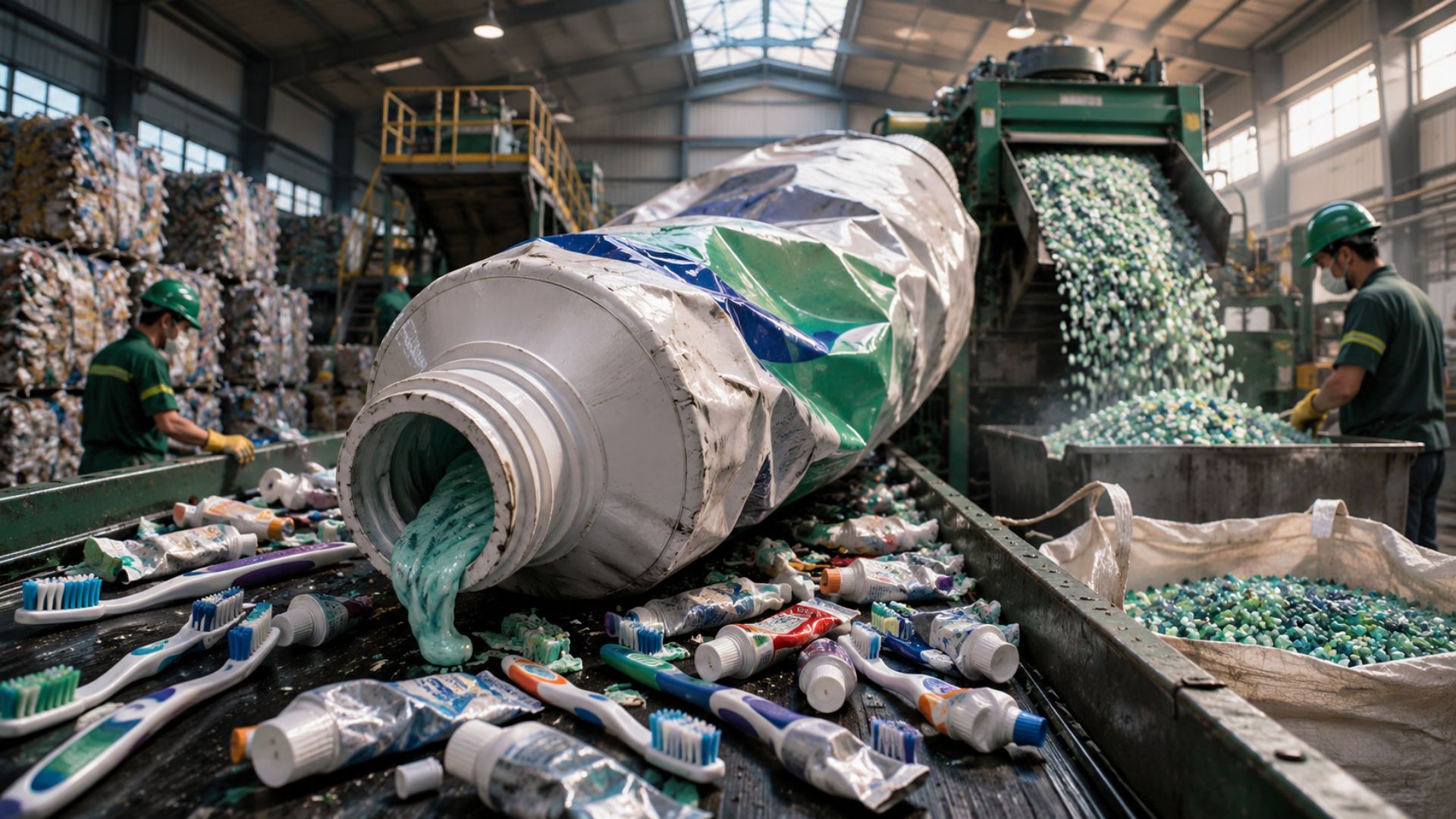

Toothpaste tubes and used toothbrushes have come under the spotlight of recycling in Brazil after an industrial transition initiated in 2020, which led oral hygiene packaging to a new phase of reuse, collection, and circular economy in the country.
Brazil has started treating toothpaste tubes and oral hygiene waste as part of a recycling agenda that gained new importance after an industrial transition initiated in 2020 by Colgate-Palmolive Brazil.
The change led the company to adapt the portfolio manufactured in the country to recyclable tubes, in a process that brought an item present in practically every home closer to the plastic reuse chain.
This transformation brings together recyclable packaging, collection programs, and consumer guidance, focusing on the destination of small objects used every day and traditionally discarded without much attention in the bathroom.
-
The Mystery of Roanoke: Entire Colony Vanished Without a Trace, Leaving Only “Croatoan” as a Clue and Becoming a Historical Legend

-
Namibia Plans to Build Homes for the Homeless Using Mushrooms and Invasive Plants to Tackle Housing Crisis

-
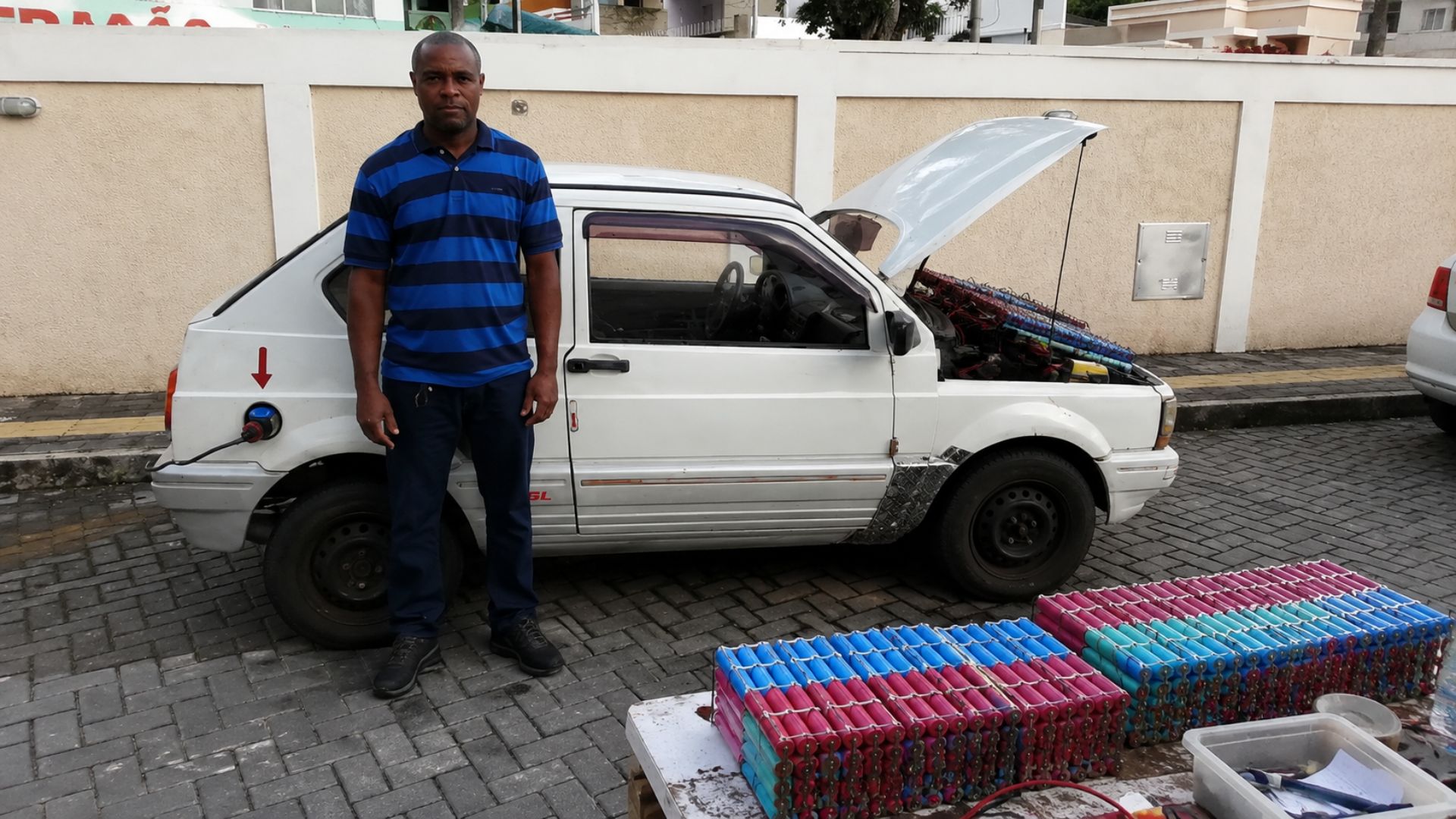
Brazilian Innovator Converts Old Car into Electric Vehicle Using Laptop Batteries and Forklift Motor, Achieves Nearly 90 km/h in Urban Settings

-
Brazil Launches Mobile ID as Mercosur Approves Mutual Recognition of Digital Identities for Public Services Across Member Countries



The central point of this movement is the advancement of recyclable toothpaste tubes, developed to enter plastic recycling flows more easily and reduce the historical difficulty associated with this type of packaging.
According to Colgate-Palmolive, the company’s recyclable tubes are made mainly of HDPE number 2, an acronym for high-density polyethylene, while the caps use PP number 5, known as polypropylene.
The company states that this type of tube can be recycled with HDPE plastics and transformed into new products and packaging after processing, as long as the material enters adequate collection and sorting systems.
Recyclable toothpaste tube changes the destination of common waste
For years, the toothpaste tube was seen as a difficult waste to handle within conventional recycling, especially because many models combined different materials in layers in the same packaging.
This composition made separation difficult, reduced the interest of the recycling chain, and caused the item to end up, in many cases, outside traditional plastic reuse flows.
By replacing the aluminum barrier with a plastic barrier, the company claims to have allowed the HDPE tube to be recycled in the normal plastic chain, without relying on a completely separate route.
With this change, the industry seeks to transform a common bathroom object into reusable raw material, preserving the main function of the packaging and maintaining the everyday use of the product for the consumer.
In practice, Colgate’s public guidance is to squeeze out as much product as possible, replace the cap, and discard the tube in the recycling bin when the packaging has the appropriate symbol.
Another point informed by the company is that there is no need to cut the tube or rinse the interior at home, because the material goes through shredding and a rinsing stage during industrial processing.
Proper disposal brings consumers closer to recycling
This simplification weighs on the acceptance of the system, as oral hygiene waste often generates doubts in domestic disposal and ends up being thrown in regular trash due to a lack of clear guidance.
Many people do not know if tubes with toothpaste remnants can be recycled, if the cap needs to be separated, or if the material should be cleaned before going to collection.
By reducing steps and making the instruction more objective, the initiative tries to tackle the gap between the intention to recycle and the actual behavior at home, a recurring barrier in environmental programs.
The project also connects to reverse logistics programs and recyclable waste collection, expanding the reach of the proposal beyond the used toothpaste tube in daily life.
Among the initiatives informed by Colgate-Palmolive Brazil are actions with the Mãos Pro Futuro project, from Abihpec, and partnership with Ambipar Triciclo for waste collection points in retail.
Through these models, waste that would previously end up in regular trash can enter an organized chain of collection, separation, and reuse, as long as they are directed through the channels indicated for this type of material.
Used brushes reinforce the challenge of oral hygiene
The presence of used brushes in this debate reinforces the everyday nature of the problem, because personal hygiene items are small, mix materials, and rarely appear as a priority in the domestic recycling routine.
Unlike bottles, cans, or cardboard boxes, these items often go unnoticed in waste separation, even though they are present in millions of homes and are repeatedly discarded throughout the year.
Colgate itself states that 1.5 billion toothpaste tubes are thrown away every year worldwide, a number that highlights the global scale of an apparently simple packaging.
Although each tube seems insignificant in isolation, the sum of this disposal turns the waste into a relevant topic for companies, consumers, cooperatives, and urban systems responsible for collection, sorting, and material reuse.
HDPE places packaging on the circular economy path
Within the personal hygiene sector, the Brazilian advancement accompanies a broader transformation towards easier-to-recycle packaging, reduction of combined materials, and increased consumer guidance.
In the case of toothpaste, the technical challenge was to reconcile a flexible, durable, and safe tube for the product with a composition compatible with plastic recycling.
To solve this challenge, the solution announced by the company involved adapting the tube to a structure predominantly made of HDPE, a material already present in well-known recycling chains.
In addition to the product change, the company states that it shares its recyclable tube technology with suppliers, other brands, and stakeholders, aiming to accelerate the transition of the category.
This movement shifts the discussion towards the industrial standardization of a type of packaging used on a global scale, instead of keeping recycling restricted to an isolated initiative of a single brand.
Urban collection still defines the material’s path
Even with technological advancement, the path of the tube to recycling depends on the structure of each municipality, local collection rules, and the acceptance of the material by the available systems.
The company’s own guidance recommends checking if the community accepts this type of packaging in the recyclable flow, as the municipal stage determines whether the waste will go for sorting or common disposal.
When it enters the appropriate flow, the tube can proceed to a material recovery facility, where it is separated and sent to a reprocessor responsible for preparing the plastic for new use.
At this stage, the HDPE is converted into small portions that can be used in the manufacturing of new products and packaging, transforming the empty packaging into raw material for other production cycles.
Bathroom becomes a new focal point for recycling
The strength of the topic lies in the fact that it deals with an intimate, domestic, and universal object, recognized by any reader who has ever discarded a crumpled tube in the bathroom.
This also includes the old toothbrush forgotten in the cabinet, the doubt about the correct bin, and the perception that small waste can reveal larger changes in urban waste.
This immediate identification helps explain the interest in solutions that seem small but point to changes in how urban waste is classified, collected, and reused.
For the consumer, the main change is less in the brushing routine and more in the perspective on disposal, as the tube ceases to be just an empty package.
When this type of waste gains clear instruction, compatible material, and collection channels, recycling no longer depends solely on individual goodwill and requires integration between industry, urban collection, and processing.
The Brazilian case also shows how environmental innovation can arise from seemingly mundane products, bringing the oral hygiene sector closer to already established plastic recycling chains.
At the same time, specific collection programs help bring to light waste that typically escapes traditional separation and broaden the discussion about what can still be reused at home.
If a simple toothpaste tube can become raw material again, how many other forgotten objects in the bathroom might still hide similar solutions?