






 Portuguese
  Spanish


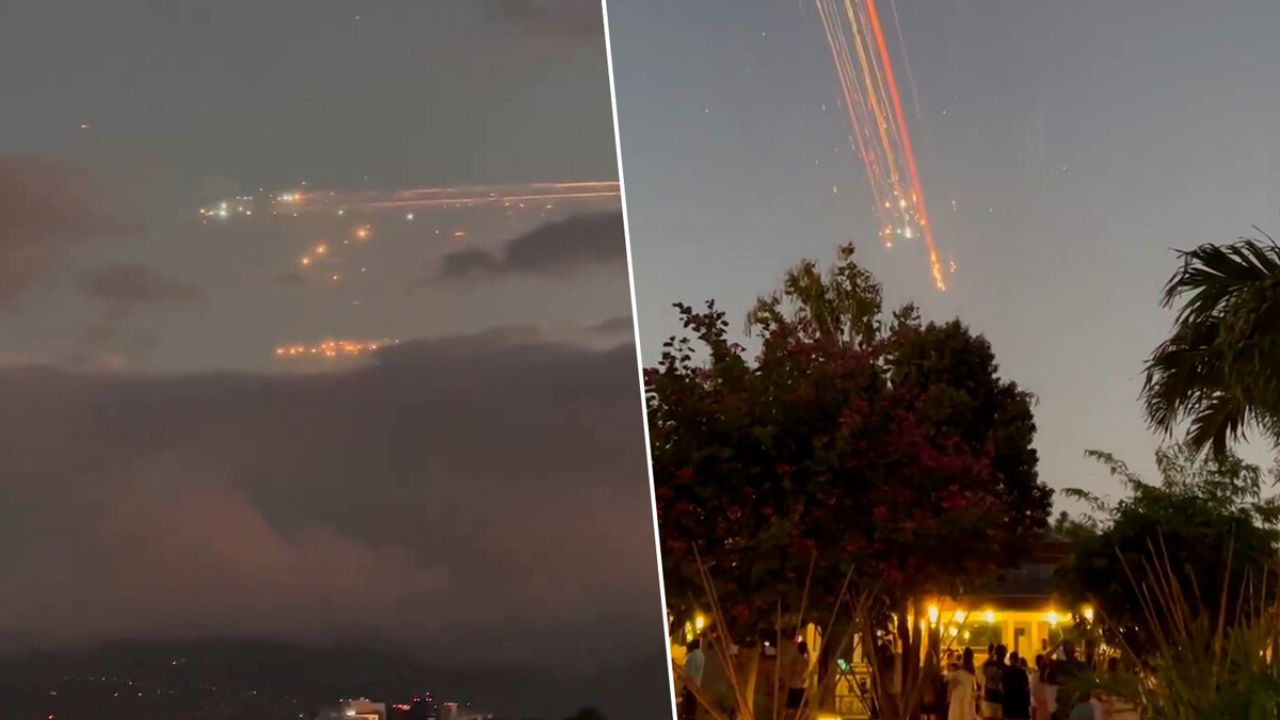


In Just 8 Minutes of Flight, Elon Musk’s Starship 33 Suffered an Unexpected Explosion, Illuminating the Caribbean Sky with Flaming Debris as Airplanes Had to Diversion Their Routes for Safety.
“Success is uncertain, but entertainment is guaranteed.” This phrase from Elon Musk, CEO of SpaceX, has never made more sense than during the last test flight of Starship 33. The spacecraft, which promised to be a milestone in space exploration, faced a surprising ending when it exploded over the Caribbean Sea, leaving a rain of flaming debris that both awed and concerned people at the same time.
The Promising Start and the Unexpected Ending
It all started impressively. Starship 33, launched from Southeast Texas, soared into the skies loaded with expectations. The flight, however, lasted only eight minutes and twenty-nine seconds before the vehicle suffered a “rapid and unexpected disassembly,” as described by SpaceX itself.
The Super Heavy booster, an essential part of the launch system, made a perfect landing in the arms of the Mechazilla tower. However, the explosion of the starship revealed how challenging it is to pursue Musk’s ambition of colonizing Mars.
-
Meta to Launch Arena, a New Prediction App Targeting 3.56 Billion Users, Competing with Polymarket and Kalshi

-
Scientist Challenges Famous Human Evolution Theory, Argues Homo Sapiens Evolved Gradually Over Thousands of Years
-
15-Year-Old American Builds Ocean Generator with PVC Pipe and 3D-Printed Propeller for $12, Wins National Prize, Presents at White House, and Makes Forbes 30 Under 30 List

-
$12 Billion Invested in AI Data Centers in Semi-Desert Mexican State, But 17 of 18 Municipalities Now Face Water Shortages, Residents Receive Water Only 3 Days a Week




Elon Musk’s Reaction: Lessons from Failure
For Elon Musk, every setback is a learning opportunity. In a post that accompanied a video of the spacecraft’s reentry, he commented: “There are improved versions of the ship and booster waiting for launch.” This vision of constant progress is the driving force behind SpaceX.
Starship 33 incorporated several innovations, such as smaller front ailerons, next-generation thermal tiles, and larger tanks. Although the explosion was a setback, every detail learned will be incorporated into future versions.
The Impact in the Caribbean Skies: Flaming Debris and Diverted Airplanes
The explosion created a spectacle in the Caribbean skies. Thousands of flaming debris pieces from Musk’s spacecraft illuminated the atmosphere, turning the incident into one of the most memorable events in recent space exploration history.
However, the beauty of the event brought challenges. The fear that some debris might survive reentry forced a diversion of flight routes to avoid risks to airplanes. Even so, many residents of the Caribbean islands were able to witness a true “meteor shower.”
Starship 33: A Technological Milestone with Challenges
Starship 33 was the first of the Block 2 series, which introduces a set of technological improvements. Among them, larger tanks and new fuel lines for vacuum engines stand out. But with great advancements come great risks.
In the first minutes of the flight, signs of problems were already visible. It is speculated that a methane leak may have caused the explosion, but the definitive investigation is still ongoing. Regardless, Musk’s SpaceX has already shown its ability to turn failures into evolutionary leaps.
The Future of SpaceX’s Space Exploration
Even in the face of setbacks, SpaceX remains firm in its mission to lead space exploration. While the Federal Aviation Administration (FAA) conducts a thorough investigation into the incident, the company is already preparing new versions of Musk’s Starship for future tests.
The competition in the sector is also heating up. On the same day, Blue Origin’s New Glenn successfully entered orbit, but failed to recover its first stage. This healthy rivalry among technology giants promises to further accelerate advances in the sector.





