






 Portuguese
  Spanish


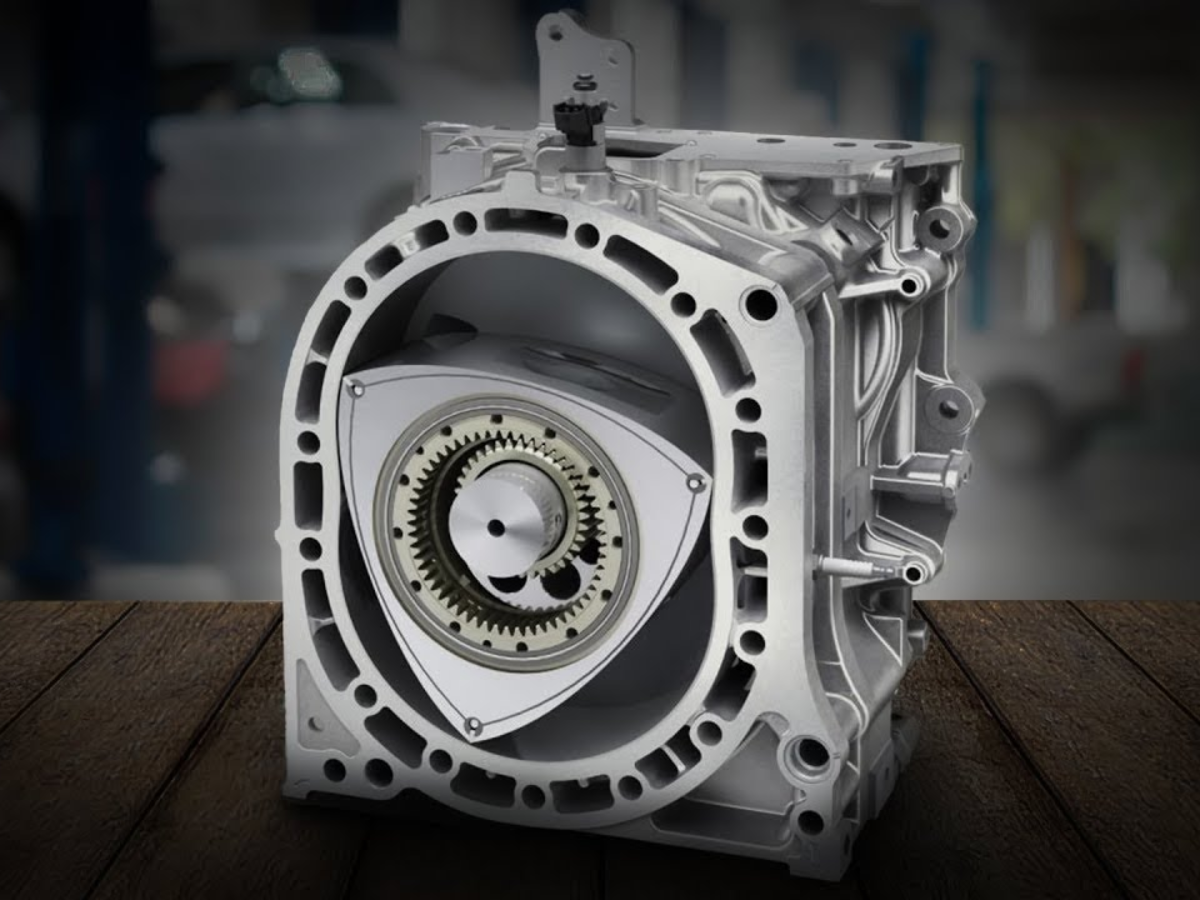


Discover How Mazda’s SkyActiv-X, a New Generation of Combustion Engines, Uses Innovative SPCCI Technology to Achieve Fuel Economy Comparable to Hybrids, with Gains of Up to 20-30%
In an automotive era focused on electrification, Mazda innovates by optimizing the internal combustion engine. The result is the SkyActiv-X, a new generation of Combustion Engines that promises fuel economy comparable to that of a hybrid, but with the driving experience of an advanced gasoline engine.
This revolutionary engine uses SPCCI (Spark Controlled Compression Ignition) technology to achieve efficiency up to 20-30% greater than other efficient engines in the brand. Let’s unveil how this engineering works.
What Is the SkyActiv-X, the Revolutionary New Generation of Combustion Engines from Mazda?
With its “well-to-wheel” philosophy (which considers the total emissions throughout the vehicle’s life cycle), Mazda developed the SkyActiv-X. This engine seeks to reconcile the best of both worlds: hybrid economy and the driving pleasure of a gasoline engine. The secret lies in the SPCCI (Spark Controlled Compression Ignition) technology.
-
Seven-Year-Old Nicknamed Hulk Wins Gold in Brazilian Jiu-Jitsu After Defeating South American Competitors

-
Once Burdened by $90,000 in Debt and a Divorce, Now Leads a Beauty Group Targeting $150 Million by 2026
-
Ice Cream Shop Grows from 39 Square Meters to $19 Million Revenue with Popsicles Sold at 20 Cents in Brazil
-
Rural Worker Spotted “Flying” on a Drone in Brazil





SPCCI injects an extremely lean air-fuel mixture. A second injection creates a rich zone near the spark plug, which is ignited by a spark. This initial combustion raises the pressure and temperature, causing the compression ignition of the remaining lean mixture, similar to a diesel engine. This allows for a “super lean burn” (up to 40:1 air/fuel), with a high compression ratio (15.0:1 or 16.3:1), pressure sensors in the cylinders, and a small Roots supercharger.
SkyActiv-X Versus Traditional Engines and the Duel with Hybrids
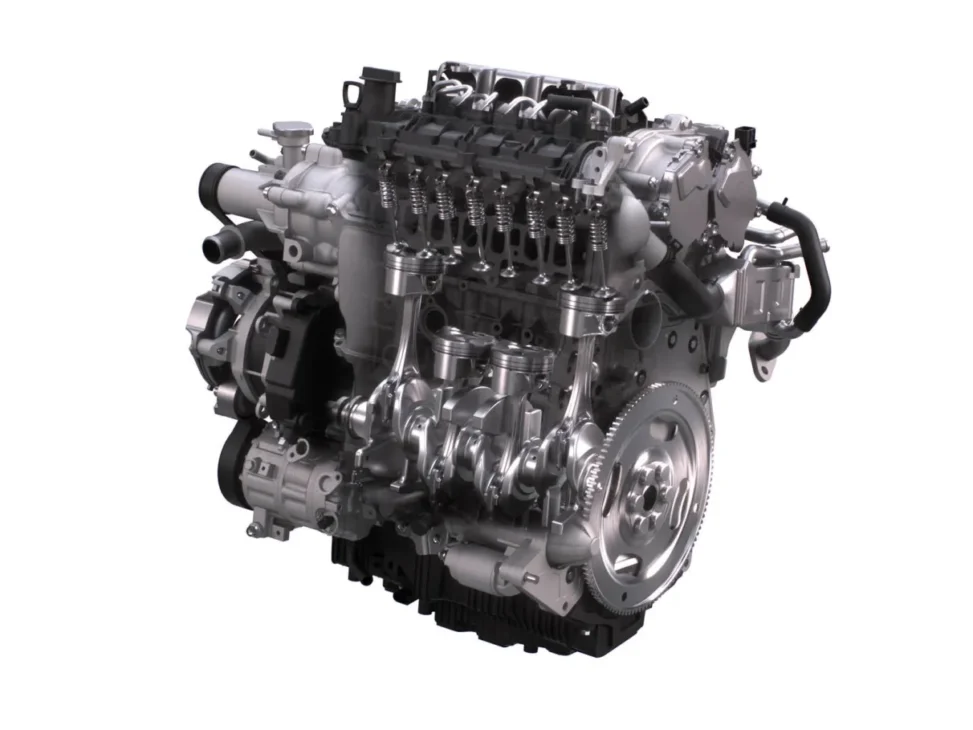
Mazda claims that the SkyActiv-X offers a 20-30% improvement in fuel economy over its already efficient SkyActiv-G 2.0L engine. This is due to the ultra-lean burn, which minimizes pumping and thermal losses.
Independent tests, such as those of the Mazda3 e-SkyActiv X M Hybrid (186 hp), recorded 4.60 L/100 km. While competitive with some mild hybrids, it does not surpass dedicated full hybrids (like the Toyota Prius or Corolla Hybrid) in overall fuel economy, especially in urban use. The Mazda M Hybrid (24V mild hybrid) system recovers energy during braking and assists the engine, but does not offer significant electric propulsion.
Performance and Driving Experience of the New Generation of Combustion Engines from Mazda
One of the praises for the SkyActiv-X is the seamless transition between SPCCI mode and conventional spark ignition. It offers good response at low RPMs and a free-revving nature, combining characteristics of diesel (low-end torque) and gasoline (revs up). The driving experience is described as enjoyable and refined.
However, some critics point out that the SkyActiv-X (with 224-240 Nm of torque) may seem to require more effort in certain situations compared to similarly powered turbo alternatives, which often provide more torque. The quality of the transmission, especially Mazda’s praised manual, is crucial for an engaging experience.
Technical and Market Challenges of SkyActiv-X, the New Generation of Combustion Engines
Despite the innovation, the SkyActiv-X faces challenges. Its higher production cost is reflected in the final price to consumers, which is not always perceived as justified by the efficiency gains, especially in markets with cheap fuel. Power and torque, while respectable, may not meet the expectations of all markets, such as the North American market, where the engine has not been sold.
A crucial technical point is the need for premium gasoline (RON 95 or higher) due to the high compression ratio. Using lower octane fuel can reduce performance and efficiency. The official compatibility is with gasoline up to E10 (10% ethanol), which may be a limitation for markets like Brazil (with E27).
The Future of Internal Combustion or a Brilliant Transitional Link to Total Electrification?


The SkyActiv-X is a milestone in combustion engine engineering, demonstrating Mazda’s boldness. However, its complexity, cost, and fuel sensitivity have limited its global impact. Mazda is already working on the next generation, the Skyactiv-Z, which will replace the SkyActiv-G and SkyActiv-X engines by 2027.
The SkyActiv-X will likely be remembered as an ingenious and courageous transitional link. It took combustion technology to an extreme of optimization but may have also highlighted the practical limits of this approach in the face of the rise of total electrification. Nevertheless, this new generation of Combustion Engines and its derived technologies may remain relevant in niches or as part of more advanced hybrid systems.





Perfeito!!! Parabéns para Mazda!!! Tecnologia em primeiro lugar…