






 Portuguese
  Spanish


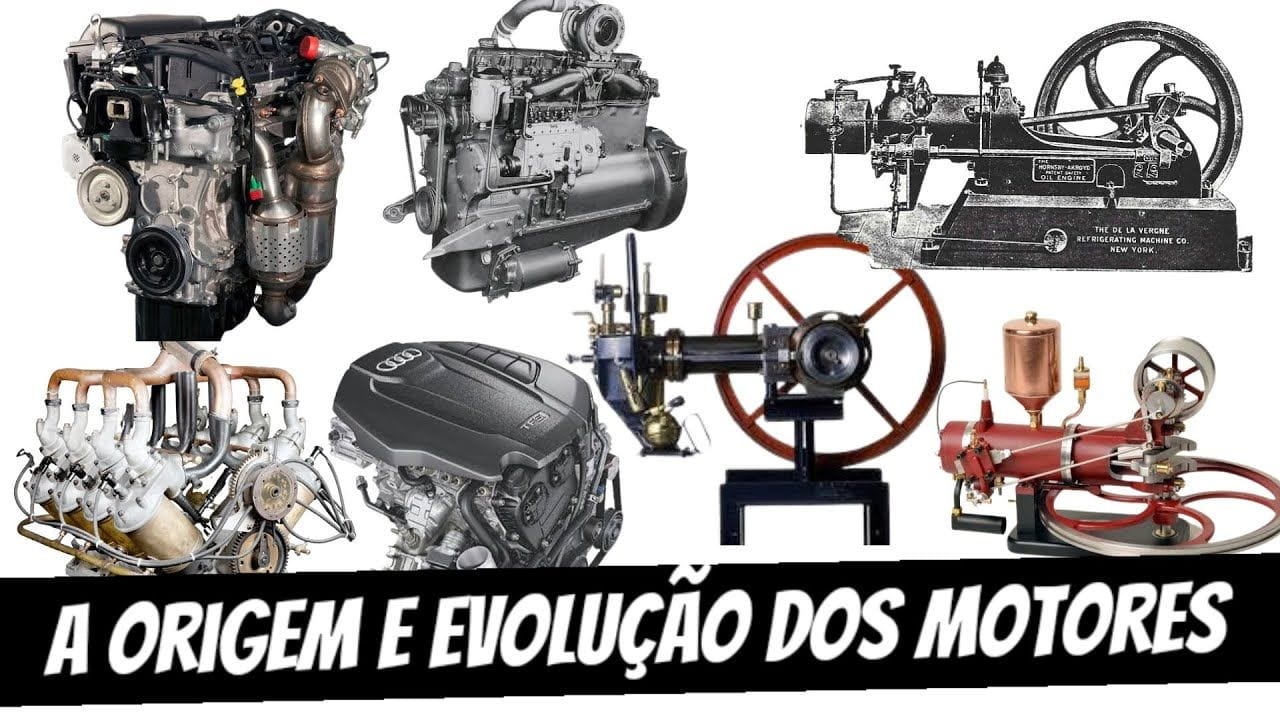


The Evolution of Pistons, A Milestone in the History of Mechanical Engineering, Dates Back to the Replacement of Steam Engines by the Innovation of Internal Combustion Engines. This Transformation Shaped the Technological Development of Transportation in Various Forms, from Cars and Trucks to Tractors and Motorcycles.
The Origin of Internal Combustion Engines is Intrinsically Linked to Their Predecessor, the Steam Engine. The Invention by Thomas Savery in 1698 and the Improvements by Thomas Newcomen and James Watt Paved the Way for the Industrial Revolution. However, It Was the Curiosity and Innovation of the French Brothers Nicéphore and Claude Niépce in the Early 19th Century That Marked the Beginning of the Era of Piston Engines.
The Niépce Brothers, in 1807, Presented a Prototype of an Internal Combustion Engine, Utilizing Principles That Still Underpin Modern Technology. Despite the Limited Success of Their Initial Inventions, They Established a Precedent for Future Innovations. Meanwhile, Other Pioneers, Such as François Isaac de Rivaz and Jean Joseph Étienne Lenoir, Expanded the Concept by Introducing Hydrogen and Coal Gas-Powered Engines, Respectively.
The Improvement of Otto and the Advent of the Four-Stroke Engine
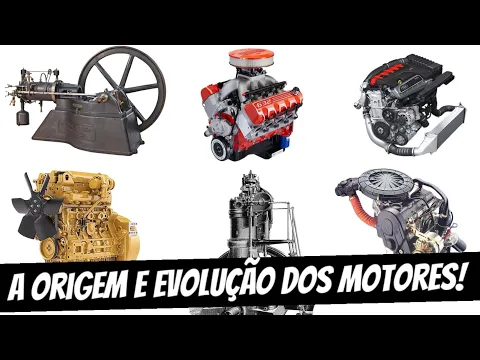

The True Revolution Came with Nicolaus August Otto, Who, After Years of Development, Introduced the First Efficient Four-Stroke Engine, Known as the Otto Cycle, in 1876. This Innovative Design, Which Introduced Compression Before Combustion, Significantly Increased the Efficiency and Power of Piston Engines, Paving the Way for Their Widespread Adoption.
-
2027 Toyota Corolla Cross Unveiled: New Design, Enhanced Fuel Efficiency, Reduced Maintenance Costs, Advanced Technology, Connected Services, and Up to 10-Year Warranty

-
Fiat Cronos Precision 2018: Affordable Sedan with Spacious Trunk and Reliable Maintenance
-
Volkswagen to Cut Production by 1 Million Cars by 2030, Reducing Jobs and Platforms, Focusing on More Profitable Models

-
Toyota Launches First 100% Electric Car in Brazil: bZ4X with 343 HP, All-Wheel Drive, 361 km Range, Priced at $419,990 BRL, Limited to 99 Units




The Diversification of Piston Engines
The End of the 19th Century and the Beginning of the 20th Century Witnessed an Explosion of Innovations. Rudolf Diesel Improved Engine Technology with the Development of the Diesel Engine, Which Used Compression to Initiate Combustion, Offering Greater Efficiency. At the Same Time, the Invention of the Two-Stroke Engine by Joseph Simplified Engine Design, Offering a Lighter and More Compact Alternative.
The Modern Era: Turbocharging and Electronic Fuel Injection
Continuous Progress Throughout the 20th Century Saw the Introduction of Turbocharging and Electronic Fuel Injection, Technologies That Significantly Increased the Power and Efficiency of Piston Engines. These Innovations Allowed Smaller Engines to Compete in Performance with Their Larger Counterparts, Marking the Beginning of the Modernization of Propulsion Systems.
The Future of Piston Engines
As the World Moves Toward Cleaner and More Sustainable Energy Solutions, Piston Engines Continue to Evolve, Focusing on Reducing Emissions and Increasing Efficiency. Turbo Technology and Hybrid Systems Are Examples of How the Automotive Industry Adapts to Growing Demands for More Eco-Friendly Vehicles.
The Journey of Piston Engines from Their Origins to the Present Day Is a Story of Continuous Innovation and Adaptation. As We Face Environmental Challenges and Explore Alternatives to Fossil Fuels, the Legacy of Piston Engines Remains Fundamental to Understanding the Evolution of Mobility and Transportation Technology. While the Future May Reserve a Different Role for These Engines, Their Impact on Technological Development and Global Mobility Is Indelible.








