Portuguese
  Spanish


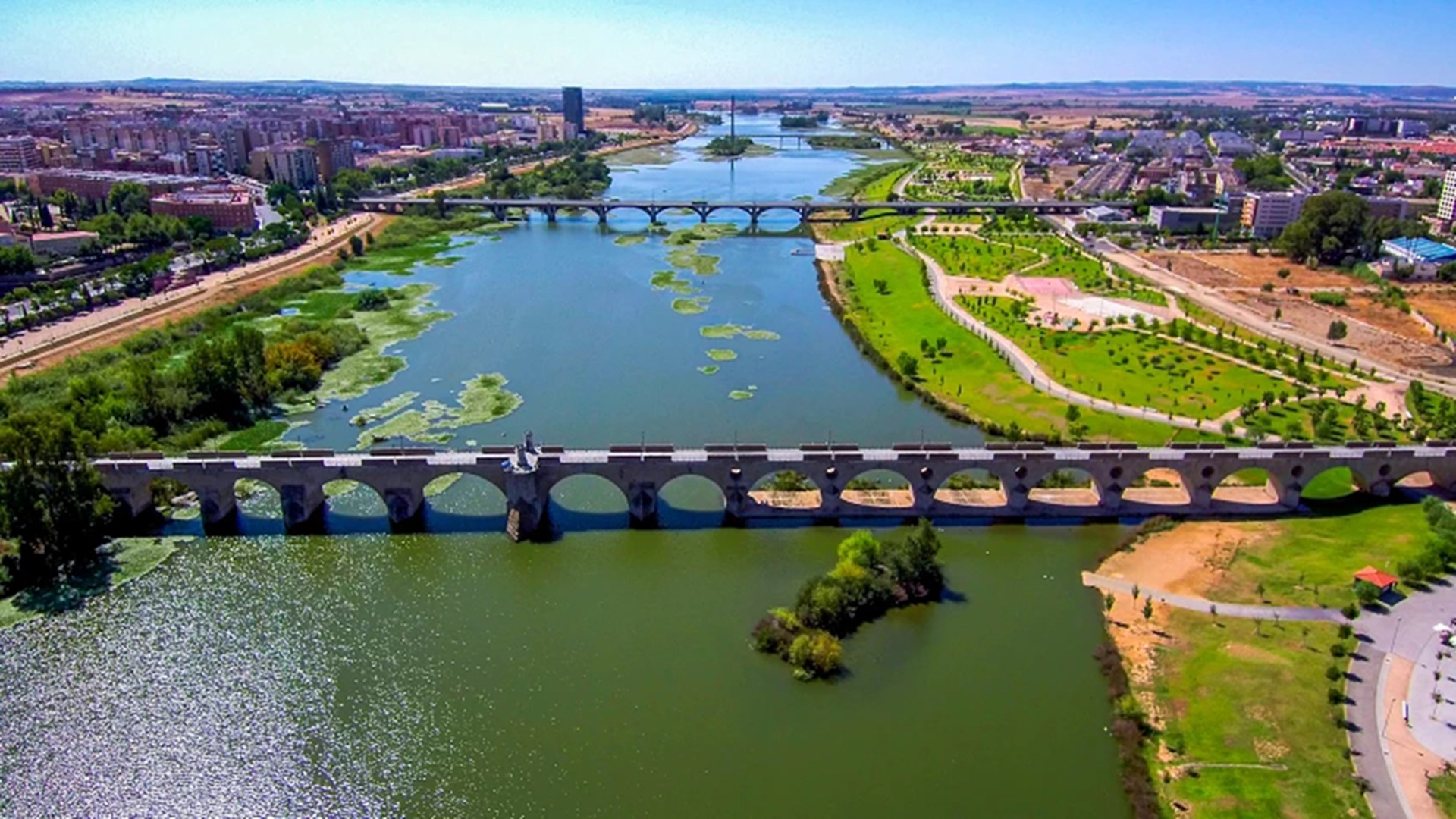


The Raia has crossed Portugal and Spain for over 700 years, follows historic rivers, blends Iberian cultures, and maintains a rare territorial stability in Europe to this day, even with old diplomatic disputes and fortified cities that have become tourist attractions
The Raia, the popular name for the border between Portugal and Spain, is considered one of Europe’s oldest and most stable territorial divisions. Its political foundation was consolidated in 1297 with the Treaty of Alcañices, signed between the Kingdom of Portugal and the Crown of Castile.
With approximately 1,214 kilometers in length, the land border crosses the Iberian Peninsula and separates two countries that, despite historical conflicts, have maintained a relatively stable demarcation for over seven centuries.
Rivers and Landscapes Mark the Demarcation
The route follows different landscapes. In the north, there are mountainous areas and stretches near the Minho River. In other parts, rivers like the Douro, Tagus, and Guadiana help mark the separation between Portuguese and Spanish territories.
-
How to Prevent Brown Recluse Spider Bites: Common Hiding Spots and Free Tips to Reduce Risks

-
Natto: The Unusual Japanese Superfood Gaining Popularity on Social Media and Driving Record Exports
-
Brazilian Mayor Goes Undercover as Homeless for 24 Hours to Assess Public Services

-
15-Year-Old Entrepreneur Malu Lira Publishes 20 Children’s Books on Financial Education, Earns $500,000, and Expands Her Project to the Amazon Rainforest




The Raia passes through very distinct regions, with areas of rugged terrain, drier inland areas, and stretches of Mediterranean climate in the south. This variety has also made the border a corridor of natural landscapes, historic villages, and cultural routes.
6-Meter Bridge Draws Attention
One of the best-known curiosities of the border is the Marco International Bridge, located between the Portuguese municipality of Arronches and the Spanish region of Extremadura.
Approximately 6 meters long, the small structure is often cited as one of the smallest international bridges in the world. Despite its reduced size, it symbolizes the proximity between communities separated by just a few steps.
Culture Blends Portugal and Spain
Over the centuries, the coexistence between peoples on both sides has created a unique identity in the border regions. In many localities, habits, accents, traditions, festivals, and family relations blend Portuguese and Spanish influences.
Integration became even stronger with the Schengen Agreement, which facilitated circulation among participating countries. As a result, travel for work, trade, shopping, visits, and tourism now occurs with fewer formal barriers.
Olivença Remains a Sensitive Point
Despite general stability, the region of Olivença, called Olivenza in Spanish, remains a sensitive diplomatic point. The territory is under Spanish administration, but Portugal maintains a historical position of not fully recognizing Spanish sovereignty over the area.
Nevertheless, the border is seen today as an example of European cooperation. Ancient fortresses, walls, and fortified cities, once built for defense and conflicts, have become historical and tourist attractions on both sides of the Raia.