






 Portuguese
  Spanish


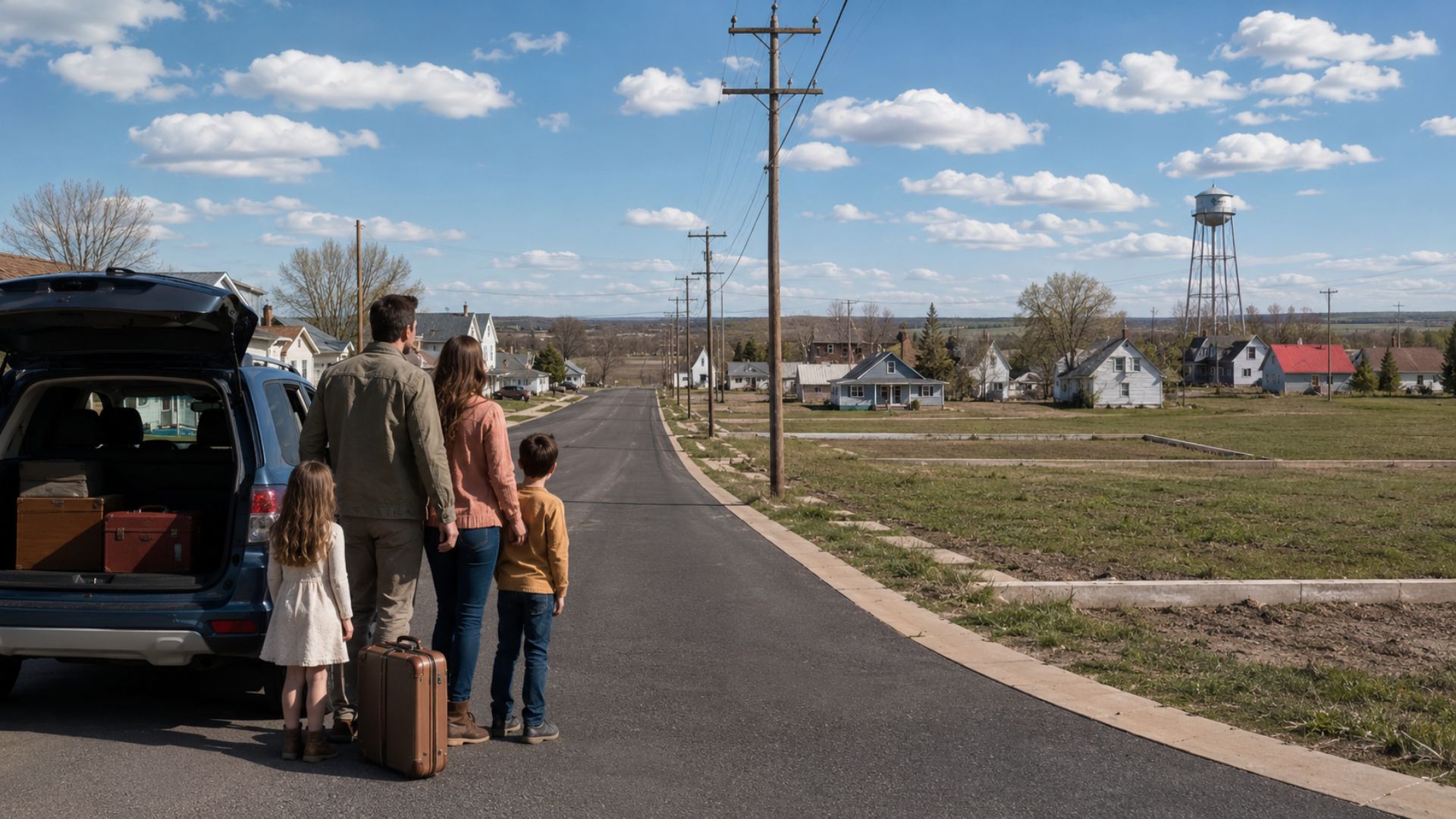

The land is free, but there are rules: you must build the house within the deadline and truly live in the city. The check for each child enrolled in the local school is a strategy to keep classrooms full and the village alive. In exchange, the routine involves open fields and long distances.
A small town of about 800 inhabitants in the interior of the United States is giving away land for free, already equipped with water, electricity, and paved streets, and even provides financial aid for families with children. This is Curtis, in the state of Nebraska, which adopted this strategy to attract new residents and escape the depopulation threatening the country’s small rural villages, a movement that has been drawing attention worldwide.
The initiative is driven by the Medicine Valley Economic Development, the city’s economic development arm, and has been in operation for several years as a bet to repopulate the region. The logic is simple: instead of watching the population age and the youth leave, Curtis decided to offer concrete incentives for families to move, build their homes, and help keep the community and, most importantly, the local school alive.
How the free land program works

Anyone willing to build a single-family home in the city can receive a plot for free, and most lots already come with ready infrastructure: paved streets, connection to the water network, electricity, and other public services, which significantly reduces the initial cost for those wanting to start a new life there.
-
Billionaire says the most valuable skill will help overcome job elimination caused by AI, following Bill Gates’ fears

-
A Dutchman created a ‘box’ that makes trees grow in the desert almost without water and without irrigation: the invention has already brought seedlings to dozens of countries and achieves up to 90% survival where common planting did not exceed 10%.

-
Abandoned warehouse hid a giant collection of rare computers, with over 2,000 artifacts from the 1930s to the 1980s.
-
Scientists warn that melting ice is triggering an alarming chemical transformation in preserved areas, and the first signs are already concerning researchers worldwide.




There are, of course, conditions. Those who receive the land must build the house within a set deadline, usually up to two years, establish permanent residence in the city, and comply with urban planning regulations. It’s important to emphasize a key point: although the lot is free, the new resident bears the cost of building the house and paying for services, meaning free land does not equate to free housing.
The Cash Assistance for Those with Children
In addition to the land, Curtis offers a financial incentive designed for families, called the Student Incentive. Families who move from another school district and enroll their children, up to 18 years old, in the local public network, Medicine Valley Public Schools, receive a cash amount that varies according to the number of children, functioning almost like a welcome bonus.
According to official city information, families with one child receive 750 dollars, with two children the amount rises to 1,250 dollars, and families with three or more children receive 1,750 dollars, approximately 3,700 to 8,800 reais in approximate conversion. The money is paid after the purchase or construction of the house, upon prior registration in the program. The goal is clear: more children in schools mean schools functioning, which is vital for the survival of a small town.
Where is Curtis and What is the City Like


Curtis is located in the heart of the American Great Plains, in a scenic rural region of Nebraska known as Sandhills, in the Medicine Creek valley. The landscape is marked by open fields, meadows, agriculture, long roads, and small rural communities, the classic portrait of the deep interior of the United States, about forty minutes south of one of the state’s main highways.
The city has historical roots in agriculture and small community life, with traditions that attract visitors, such as an annual Easter reenactment. It’s the kind of place where everyone knows each other, the pace is calm, and contact with nature is part of everyday life, a strong attraction for those tired of the stress and cost of living in big cities.
Does the Program Really Work?
The initiative is not just a promise: there are concrete results, albeit modest. According to city administrators, over the approximately 15 years of the program, around 15 to 20 families received free plots, and at least 12 houses were built through the initiative, with almost all available lots already claimed.
In such a small town, each new family makes a real difference in the community’s life, helping to sustain commerce, services, and especially the school. Curtis’s case gained so much attention that Nebraska legislators even discussed whether a similar model could be applied in other cities in the state, and similar initiatives exist in other American interior villages, like Elwood, also in Nebraska.
The Challenges of Living in Such a Small City
Before dreaming of change, however, it is necessary to face reality with honesty. Life in rural communities like Curtis involves challenges that are not always considered: job, shopping, and entertainment options are much more limited than in a big city, as much of the activity revolves around agriculture and basic services.
Moreover, residents often need to travel several kilometers to reach hospitals, universities, or large shopping centers. For those who work remotely, enjoy peace and value contact with nature, it can be the ideal setting. But for those who depend on a diverse job market or nearby urban services, adaptation can be difficult. It’s a lifestyle change that requires planning and realistic expectations.
The story of Curtis, in the United States, is a curious and revealing portrait of how rural depopulation has led small towns to reinvent themselves to survive. Offering free land, ready infrastructure, and money for families with children is a creative bet to fill houses and classrooms again. But, like any life change, it comes with fine print: the commitment to build, to stay, and to accept the pace and limitations of country life. For those seeking exactly that, it could be the opportunity for a new beginning.
And you, would you be willing to move to a small town of 800 inhabitants in the United States in exchange for free land and financial aid? Do you think it would be worth trading the urban hustle for the tranquility of the countryside, even with fewer services nearby? Leave your comment, tell us if you would face this new beginning, and share the article with that person who is always talking about leaving everything behind and changing their life.





