Portuguese
  Spanish


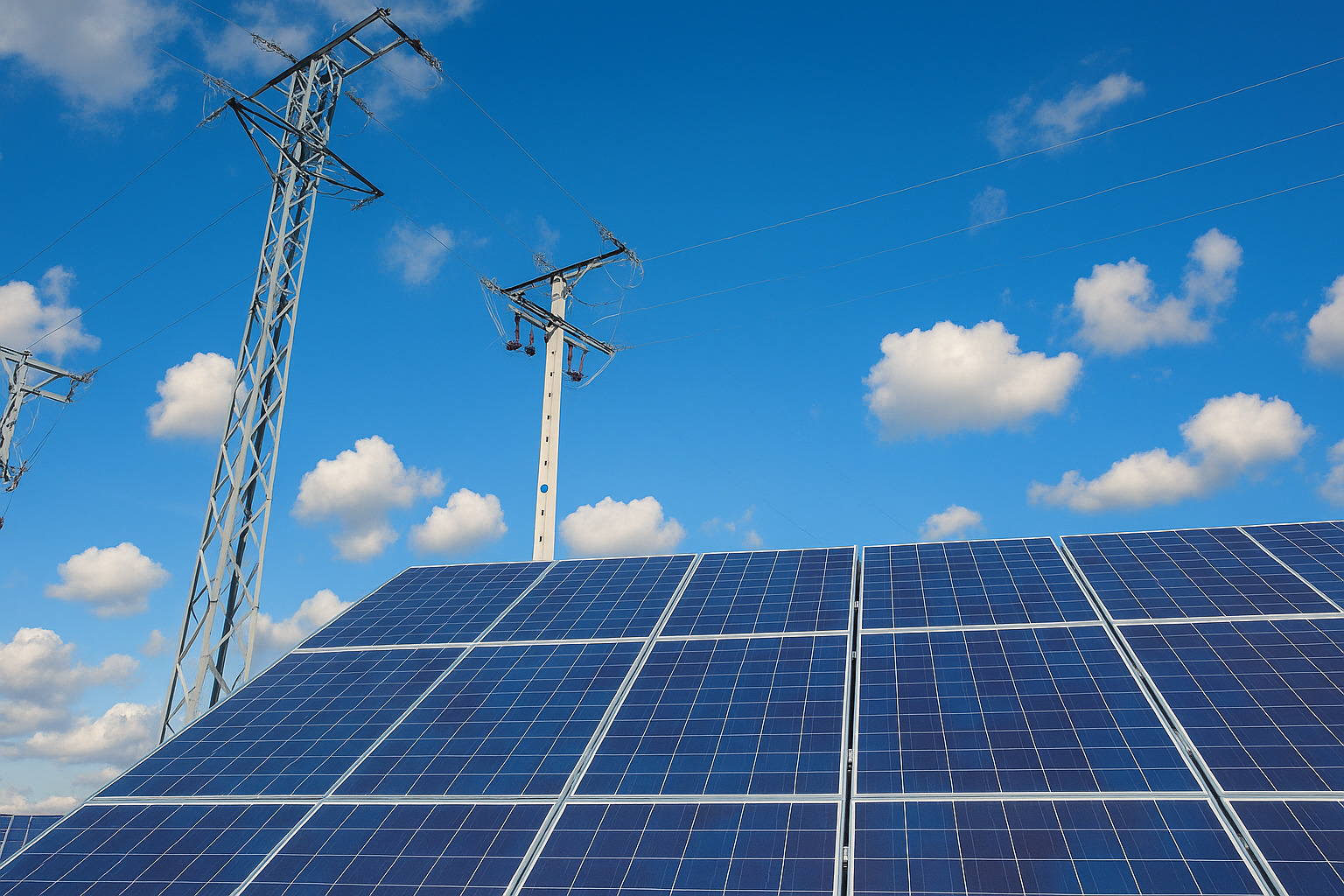

Discover How Distributed Generation as a Pillar Strengthens the Energy Transition in Brazil, Promoting Sustainability, Equity and Modernization of the Electric Sector.
The energy transition in Brazil has become a central theme in discussions about sustainability, economy, and social development. In recent years, the country has diversified its energy matrix, moving from a highly centralized model to a dynamically and participatory system.
In this sense, distributed generation as a pillar plays an essential role in ensuring that this transformation benefits all sectors of society in an efficient and environmentally responsible manner.
Historically, the Brazilian electric sector focused on large hydropower plants and centralized generation and distribution systems. Since the establishment of Eletrobras in the 1960s, the government has heavily invested in national infrastructure, allowing urban and industrial areas to have reliable access to electricity.
-
Brazilian Energy Auction Secures $4.6 Billion in Projects to Enhance Power Grid and Prevent System Bottlenecks, Achieving an Average Discount of 51.58%

-
Gas-powered generator reignites emergency energy debate in Brazil, offering night and rain operation without open roof, as solar with battery can exceed $7,500 installed.

-
Itaipu Dam Stuns Visitors with First Spillway Opening in 2026, Showcasing the Power of Water Once Again
-
USP researcher creates thesis to attract international funds for the country’s electric energy sector
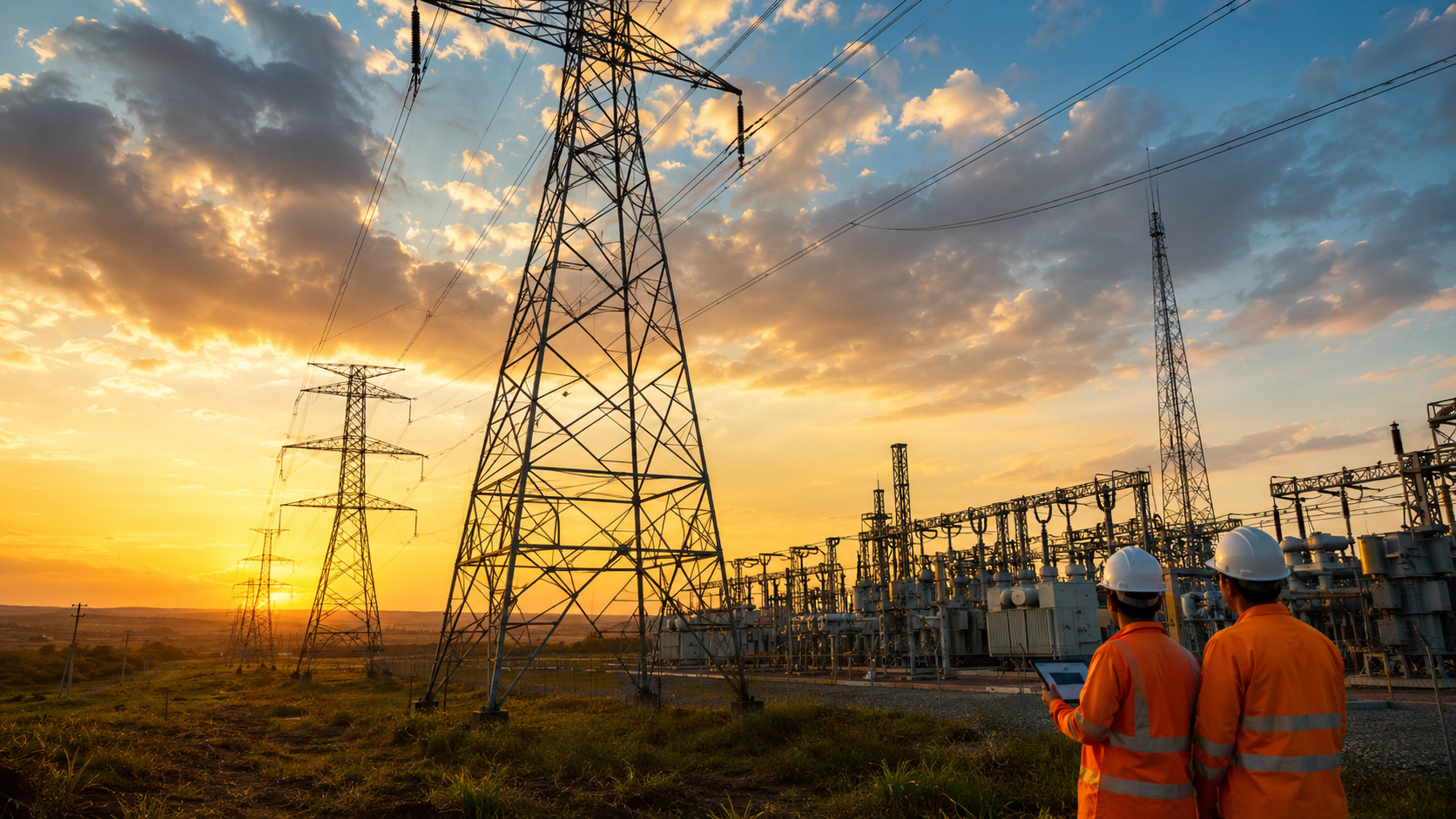



However, centralization has brought significant challenges such as transmission losses, vulnerability to failures in long lines, and difficulties in rapidly integrating new renewable sources.
On the other hand, starting in the 2000s, with the expansion of solar and wind technology, experts began to discuss the decentralization of energy generation.
Thus, distributed generation as a pillar has gained strategic importance, not only as a technical alternative but also as a means to democratize access to clean energy. Unlike the centralized model, residential and commercial consumers began to produce their own energy using solar panels, small wind turbines, or hybrid systems.
Moreover, this historical movement also reflects global changes in the electric sector, where countries seek greater resilience and reduction of environmental impacts.
Therefore, the decentralization of energy production offers autonomy to local communities, allowing them to actively participate in the sustainable development of their regions.
Economic, Social, and Environmental Benefits of Distributed Generation
In this context, the Brazilian Association of Women in Energy (ABME) consistently advocates for distributed generation, highlighting that distributed generation as a pillar is crucial for a sustainable energy future.
Additionally, ABME emphasizes that this model strengthens the security of the electric system and provides significant economic and social benefits. Independent studies show that local energy production reduces electrical losses, decreases investments in network expansion, and increases resilience to climate crises or technical failures.
Equally important, each installation of distributed generation represents private investment, generating effects beyond direct economic impact.
ABME points out that the reduction of carbon emissions, lower reliance on fossil thermal plants, creation of local jobs, and democratization of access to clean energy are concrete results of this model.
On the other hand, contrary to the argument that subsidies for distributed generation burden other consumers, the association reminds that the traditional model still receives billion-dollar incentives to maintain fossil sources, harming society.
Another relevant point is that distributed generation strengthens the local economy.
For example, small and medium enterprises can install their own energy systems, reducing operational costs and increasing their competitiveness. Furthermore, the market for installation, maintenance, and monitoring of these systems creates job opportunities and technical training, fostering decentralized economic development.
Despite this, the technical challenges of distributed generation exist but do not prevent its expansion.
Issues of voltage, overload, and outages arise in any energy modernization process. For instance, countries like Germany, Spain, Australia, and the United States have faced similar situations when massively integrating distributed generation.
However, all of them overcame these challenges with adequate regulation, investments in technology, and digitalization of electrical grids.
The Role of Institutions and Technological Innovation
Moreover, national institutions play a central role in this process.
The Energy Research Company (EPE), the Electric Energy Research Center (Cepel), and universities provide data, develop technologies, and guide public policies.
Consequently, ABME reinforces that technical arguments should not justify regressions in public policies. On the contrary, they should drive innovation and modernization, strengthening distributed generation as a pillar of the electric sector.
Furthermore, social equity and sustainability are shown to be central principles of distributed generation.
By allowing residences and small enterprises to produce their own energy, the model reduces regional inequalities and broadens democratic access to energy.
Similarly, ABME emphasizes that energy policies must include gender justice and social inclusion, ensuring that the energy transition benefits all segments of the population.
Another factor is that the integration of digital solutions and remote monitoring systems allows operators and consumers to better manage energy consumption and production.
Thus, this level of control reduces waste, optimizes resources, and increases consumption predictability, essential elements for the stability of the electric system.
Additionally, the historical context of the Brazilian electric sector shows that modernization has always combined public investment, private initiative, and technological innovation.
From the earliest hydropower plants to the expansion of high-voltage transmission lines, the country has overcome complex technical challenges. Therefore, the introduction of distributed generation represents the natural continuation of this trajectory, aligning economic development, environmental protection, and citizen participation.
Distributed Generation as a Pillar of Competitiveness and Sustainability
Equally relevant, the expansion of distributed generation directly impacts the energy competitiveness of the country.
By reducing losses and costs, companies and consumers enjoy fairer and more predictable tariffs. Moreover, the adoption of clean technologies strengthens Brazil’s image as a leader in the international climate agenda, consolidating commitments in global emission reduction agreements.
ABME, through the Brazilian Congress of Women in Energy, reinforces that distributed generation as a pillar should be valued as a strategy for sustainable development.
Therefore, the association calls on the electric sector, regulatory bodies, academic institutions, and civil society to collaborate in creating balanced solutions.
Thus, public policies and strategic investments ensure a modern, reliable, and inclusive electric system.
In addition, distributed generation prepares the country for future challenges, such as the increase in demand in urban areas and the impacts of climate change on energy production.
As a result, diversification of sources and decentralization reduce blackout risks, increase system flexibility, and provide a solid foundation for new investments in clean energies.
In summary, distributed generation presents itself as a key component of Brazil’s energy transition.
Thus, its implementation increases citizen participation, promotes sustainability, strengthens the local economy, and enhances the resilience of the electric system. Historically, the country has evolved from a centralized model to decentralized solutions, and ABME stresses that distributed generation as a pillar must continue to guide this transformation.
Therefore, building a clean and democratic energy future depends on strategic decisions, investment in technology, and regulatory innovation.