Portuguese
  Spanish


Ultrathin solar panels were installed on top of road barriers in a test in Europe. The technology can power lighting, signage, and tunnels, as well as pave the way for use on thousands of kilometers of highways.
Europe has begun testing an idea that could change the way solar energy is harnessed on highways: installing ultrathin photovoltaic modules on top of road barriers. The project, developed by Tecnalia and Vita International within the Liaison initiative, aims to transform an already existing road structure into a new source of electricity.
The proposal maintains the primary function of the barrier, which is to ensure safety, but adds a surface capable of capturing sunlight throughout the day. The first test will be conducted over a 100-meter stretch, where engineers will observe everything from dirt accumulation to the influence of shadows cast by moving vehicles.
According to 32cars, the technology can yield about 25 MWh per year for each kilometer installed, a volume sufficient for the annual consumption of approximately 20 typical households. It’s a small number compared to large power plants, but significant when it comes to utilizing areas already occupied by road infrastructure.
-
Brazilian Energy Auction Secures $4.6 Billion in Projects to Enhance Power Grid and Prevent System Bottlenecks, Achieving an Average Discount of 51.58%

-
Gas-powered generator reignites emergency energy debate in Brazil, offering night and rain operation without open roof, as solar with battery can exceed $7,500 installed.

-
Itaipu Dam Stuns Visitors with First Spillway Opening in 2026, Showcasing the Power of Water Once Again
-
USP researcher creates thesis to attract international funds for the country’s electric energy sector


Test begins on 100 meters and will measure dirt, shadow, and maintenance

The initial stretch was chosen precisely to show how the system behaves under real traffic conditions. The team will assess the performance of the modules under dust, debris, wear, and maintenance needs, factors that weigh heavily when the idea leaves the laboratory and enters the road.
Another central point of the test is to verify how energy varies throughout the day with vehicle movement. Since the barriers are exposed to constant shadows, generation can fluctuate significantly depending on the flow and positioning of the road.
Energy should be used on-site
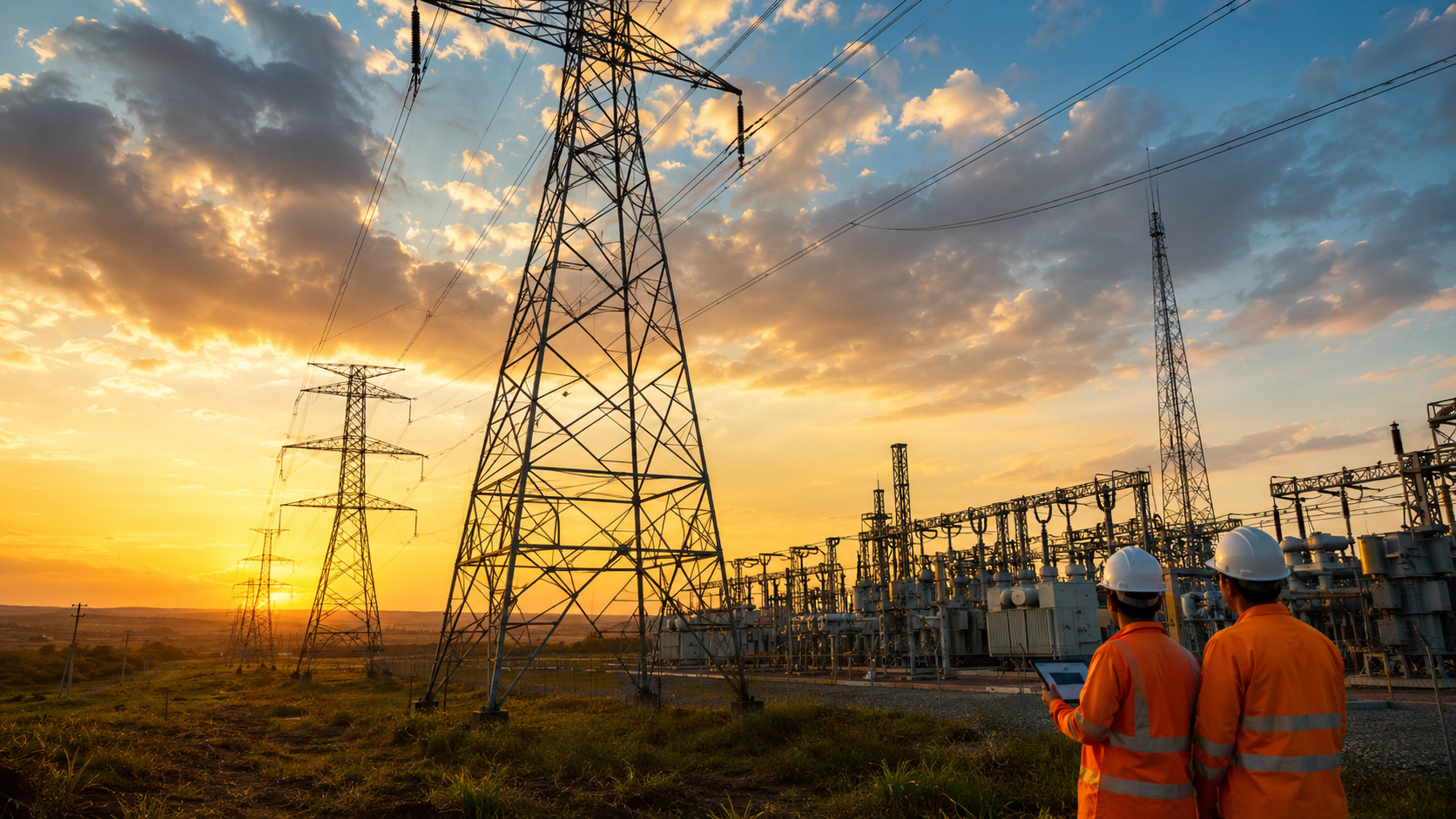
The electricity produced was not initially intended to feed large networks. The plan is to use the energy on the road section itself, in lighting, signage, and tunnel ventilation, which can reduce dependence on external sources at specific points of the infrastructure.
This local application is one of the strongest bets of the project. Instead of concentrating generation in a distant plant, the road starts to produce part of what it consumes, something that can gain space in sections with constant energy demand.
Europe has thousands of kilometers that could receive the technology
The potential cited by the Tecnalia team draws attention due to the size of the European road network: about 136,700 kilometers of roads could, in theory, receive this type of solar barrier. If the solution passes the technical and financial test, the scale could be much larger than that of the pilot section.
But mass adoption still depends on very practical factors. The available material indicates that cost, durability, repairs after accidents, and the willingness of road operators will be decisive in determining whether the idea moves from the experimental field to become part of the infrastructure.
Project bets on an infrastructure that already exists
The differential lies precisely in not requiring a new area to install panels. The proposal takes advantage of structures already installed on the roads and attempts to add energy generation to an existing function, without changing the basic appearance of the barriers.
If the test confirms the expected performance, the technology could open a new front for solar energy in Europe, especially in spaces where each meter of infrastructure needs to fulfill more than one function. For now, what is at stake is whether safety and electricity generation can go hand in hand on the asphalt.
Do you think solar barriers can really gain space on the roads? Share your thoughts and share this article.