Portuguese
  Spanish


Wineries transform grape waste into bricks and adobe, creating sustainable walls, improving thermal insulation and reducing environmental impacts, with application in modern and ecological civil construction
The grape pomace left over from wine production is gaining a new function. Researchers are incorporating skins, seeds, and processing residues into bricks and adobe, offering a sustainable alternative for the construction sector.
This utilization transforms bulky waste into materials that can improve the thermal insulation of walls, reduce the weight of constructions, and decrease the environmental impact of wineries. The volume of pomace generated is significant in wine-producing regions, making reuse highly relevant.
The pomace is rich in fibers and organic compounds, and can affect the density, strength, and thermal properties of bricks and adobe, requiring careful testing before application in constructions. The information was disclosed by MDPI, an international scientific publisher that publishes peer-reviewed research.
-
28-meter, 156-ton titans traveled 20,000 km from China to the port of Santa Catarina: Portonave received 7 fully electric megacranes, part of a R$ 210 million package, to double container handling.

-
They exchanged the idea of a large house for a 35 m² warehouse, spent US$ 12,000 on the structure, and created a tiny house in Colorado with space to live and work.

-
A newly opened terminal in the middle of the Amazon has begun transporting soy and corn through Amapá, eyeing the queue of ships that is congesting the ports in the South.

-
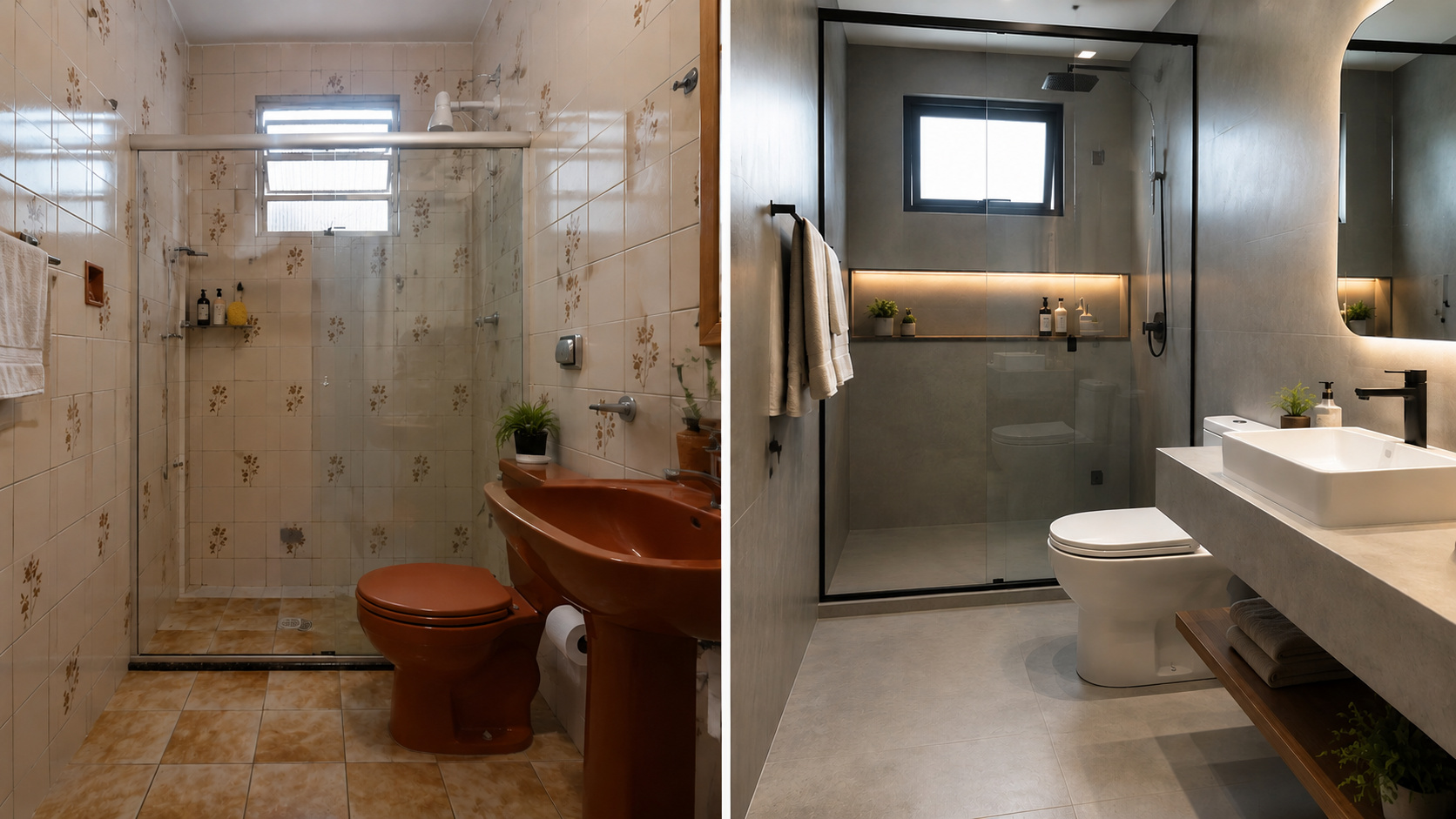
Goodbye to old tiles: renovation technique without construction transforms bathrooms in a few hours, eliminates debris, and reduces costs with coverings using special paints, high-resistance adhesives, and modern finishes that completely renew the space.


What remains after the grape becomes wine
After the extraction of the must and fermentation, a solid mixture formed by skins, seeds, and parts of the pomace remains. This residue represents a large part of the grape’s weight and is traditionally discarded or used as fertilizer.

The utilization of pomace in construction offers a way to value what was once industrial waste, transforming agricultural residues into a useful resource for building walls, fences, and lightweight structures. MDPI, an international scientific publisher, detailed the key points of the topic.
How the pomace enters adobe
Adobe is a building material made of clay, sand, and water, molded and air-dried. Research incorporates different percentages of raw grape pomace into the mixture, ranging from small amounts to five percent of the total weight.
The presence of bagasse reduces the density of adobe and improves the thermal insulation capacity, making the walls more efficient in maintaining a pleasant internal temperature without the use of additional energy. Laboratory tests show that the balance between the amount of bagasse and structural strength is crucial.
Difference between fired brick and raw adobe
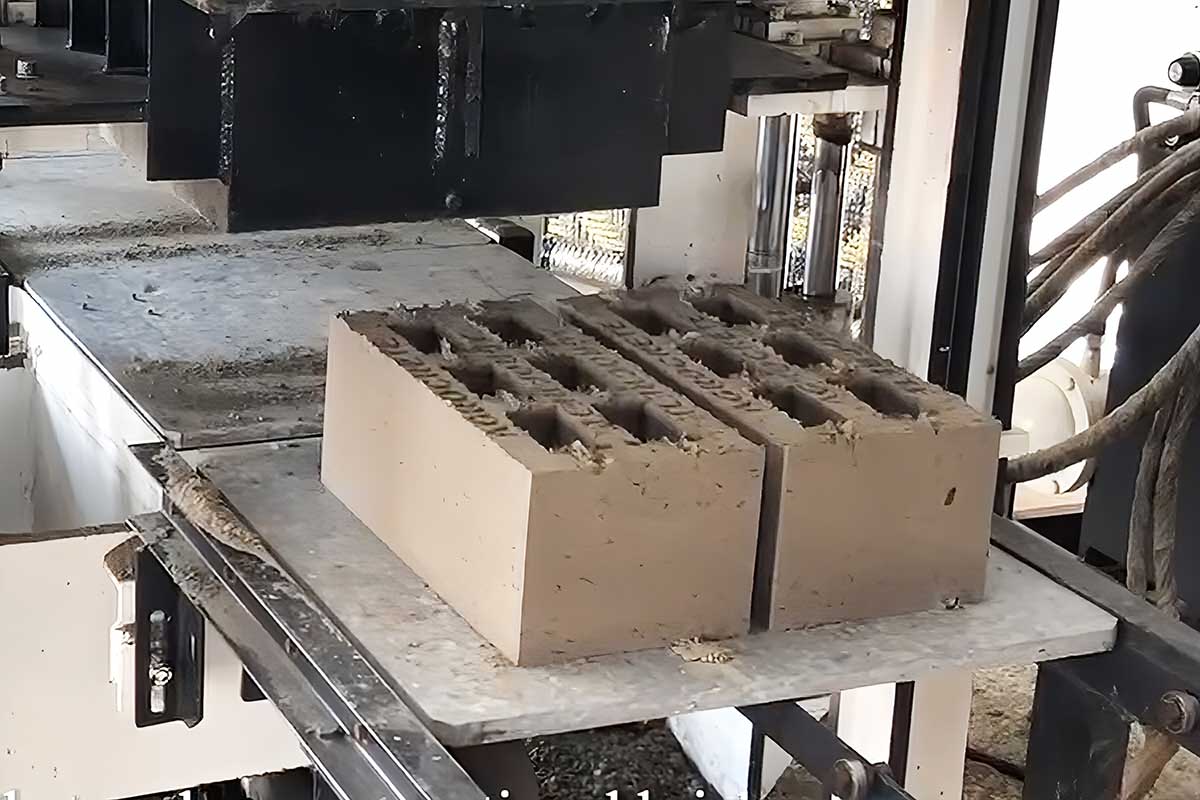
In addition to adobe, bagasse can be used in fired ceramic bricks, which undergo high temperatures in kilns. Mixed with clay, the grape residue alters the structure, producing lighter and more porous bricks, with better thermal insulation, without losing mechanical strength.

Raw adobe, on the other hand, is not fired and consumes less energy in production, being suitable for internal walls or constructions that do not require a large structural load. Both applications utilize agricultural residues and contribute to more sustainable constructions.
Why sugars and organic matter require technical care
Bagasse contains sugars and organic compounds that can interfere with the cohesion of the material and how it dries. Inadequate amounts can compromise the strength and durability of bricks or adobe.
Research indicates that moderate percentages of bagasse allow for benefits in thermal insulation without compromising wall stability. This balance is essential to ensure that the construction is safe and durable, while also reducing waste and wastefulness.
The reuse of grape bagasse represents an opportunity for circular economy, promoting energy efficiency and reducing environmental impact in wine regions.
What do you think: would it be feasible to adopt walls with grape bagasse in your daily constructions? Share your opinion in the comments.