Portuguese
  Spanish


Government Releases R$ 40 Billion in Credit and Authorizes Non-Bidding Purchases of Agriculture Products Affected by US Tariffs.
The Federal Government announced last Friday a series of measures to contain the effects of the 50% tariff imposed by the United States on Brazilian products.
The strategy combines emergency credit of R$ 40 billion and the authorization for the Union, states, and municipalities to purchase, without bidding, foods produced by companies that have lost market share abroad.
The Minister of Agriculture, Carlos Fávaro, stated that the decision aims to protect agriculture sectors that were directly affected by the American measure. “There are several products that can now be marketed with the federal government, states, and municipalities, minimizing the impacts of the tariff,” he said.
-
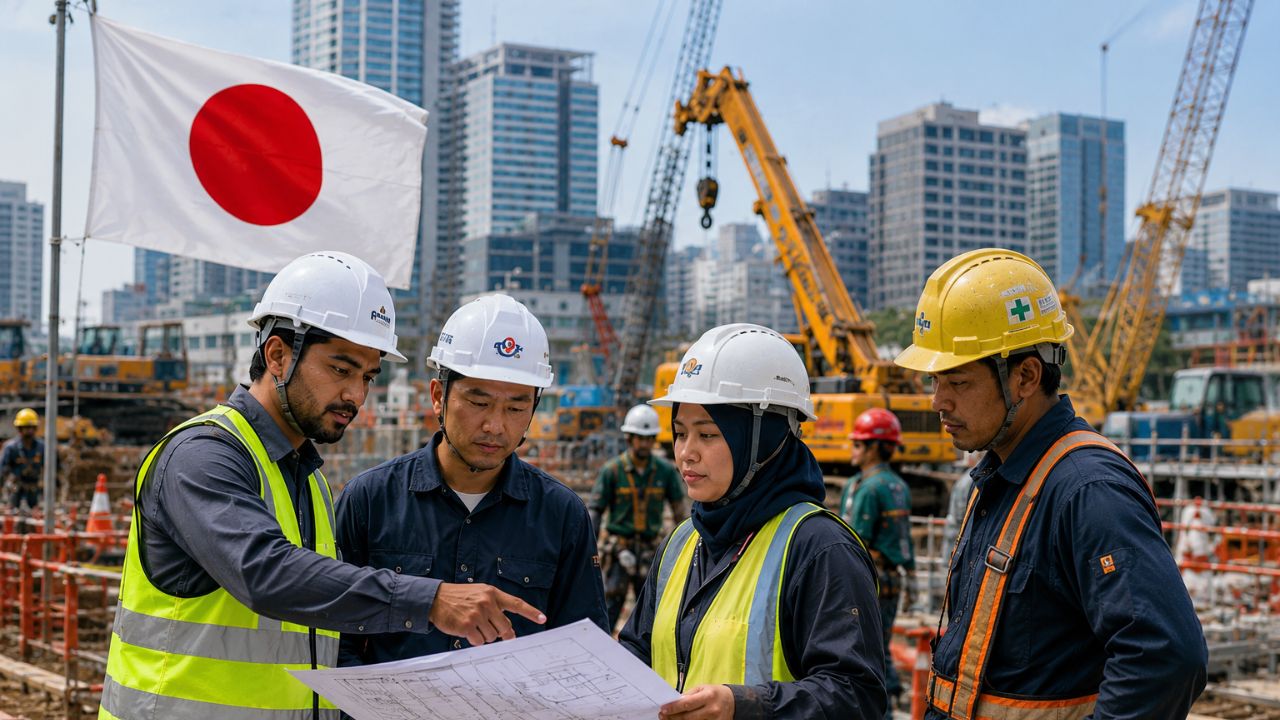
Facing Labor Shortage, Japan Plans to Invest $34 Million to Attract Foreign Workers in Construction, Healthcare, Industry, and Commerce

-
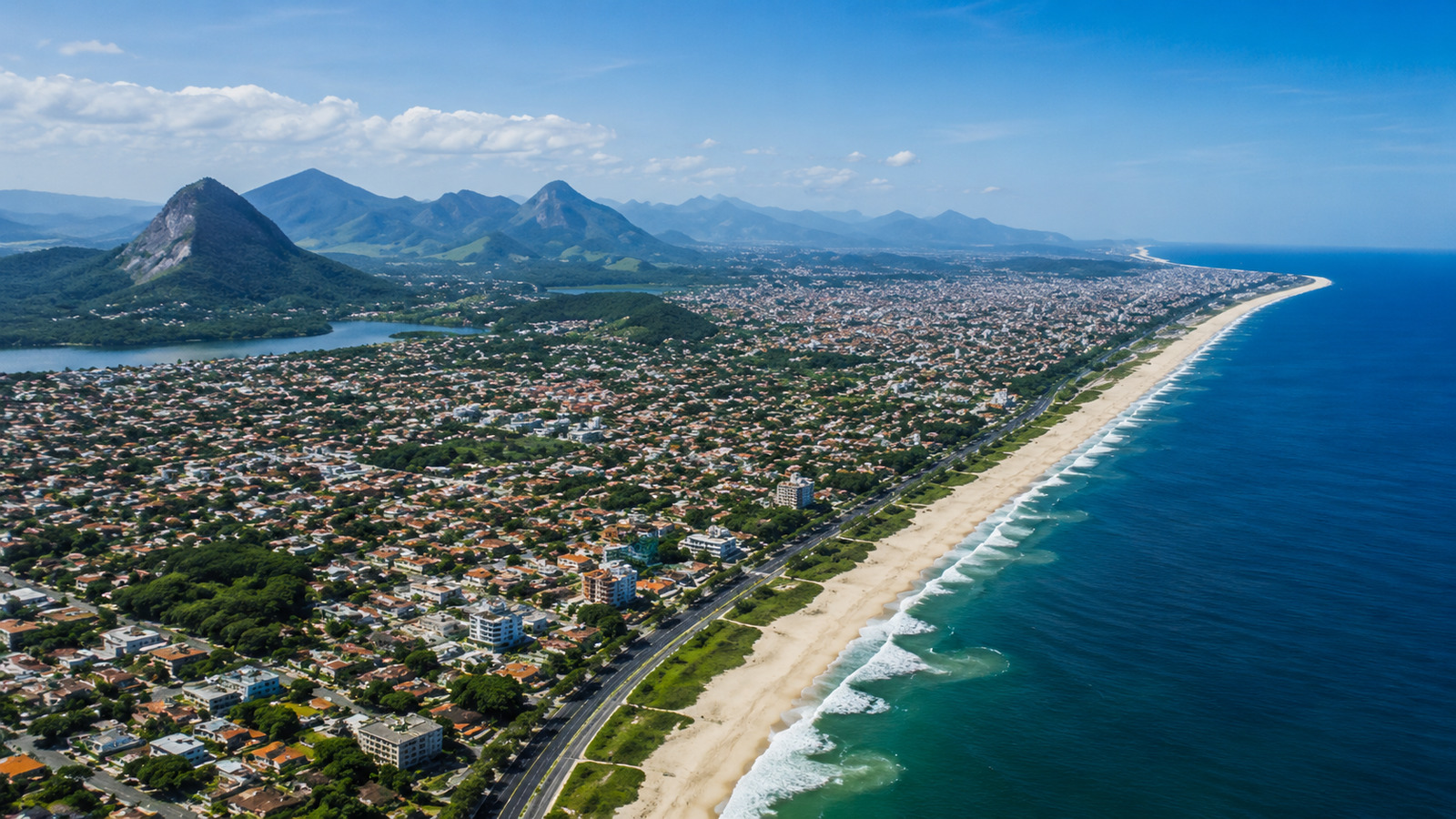
Brazilian City Makes Remarkable Leap, Becomes 4th Wealthiest in the Country with GDP of R$ 134.1 Billion

-
Controversial 6-day Workweek Elimination in Brazil Faces Economic Criticism Over Productivity Claims
-
Itaú to Refund Customers After 14 Years of Unauthorized Credit Card Charges; Agreement Includes No Interest or Adjustments, Deadline by 2028, with Potential Impact of Up to $6.5 Billion



Products Authorized for Public Purchases
The government published an ordinance listing the foods that can be acquired by the public sector, without the need for a bidding process. Eight items have already been included:
- acai;
- coconut water;
- cashew nut;
- Brazil nut;
- honey;
- mango;
- fish (such as croaker, snapper, and tilapia, in fresh, refrigerated, or frozen forms);
- grapes.
According to the text, the list may be expanded in the future. The evaluation will be up to the ministries of Agrarian Development and Agriculture.
Requirements for Companies
To participate in the program, companies will have to prove that they were victims of the American tariffs. The criterion will be the completion of the so-called Export Loss Declaration.
With the approved document, producers are authorized to sell directly to the public sector within the Brazil Sovereign Plan, a rescue program created by the federal government.
R$ 40 Billion Credit
In addition to public purchases, the package provides for R$ 40 billion in credit for companies harmed by the US barrier. Of this total, R$ 30 billion will come from the Export Guarantee Fund (FGE) and R$ 10 billion from BNDES.
The president of BNDES, Aloizio Mercadante, stated that the priority will be for those who lost more than 5% of their revenue between July 2024 and June 2025.
According to Mercadante, the release of credits is expected to start in the second week of September.
Revenue Impact Criterion
Access to credit will be greater for those who suffered heavier losses. Companies that recorded a drop equal to or greater than 20% will have access to all available lines and guarantees.
The credit model is inspired by the emergency program used in 2023 to assist companies affected by floods in Rio Grande do Sul.
Condition: Maintain Jobs
One of the requirements for accessing credit is preserving jobs. Benefited companies will have to prove that they are maintaining employees.
Dismissals will be allowed but must be compensated with new hires.
The government states that the measure is essential to prevent the tariff from causing an increase in unemployment in strategic sectors.