Portuguese
  Spanish


Low-Cost Innovation for Snake Protection Created by US Student Attracts Thousands of Orders and Makes a Significant Impact in the Security and Specialty Clothing Industry
In rural areas of various countries, the danger of snake bites is a constant threat. These attacks can cause paralysis, fever, and seizures, as well as lead to death. For farmers who work daily in the fields, the reality is concerning.
The problem becomes more serious in hard-to-reach areas, where access to medical care is limited. Many victims face long journeys to the nearest hospitals. In some cases, delays in care result in amputations and severe complications.
This reality deeply impacted Anish Easwaran, a biomedical engineering student at Texas A&M, during his first year at university.
-
China Develops Custom 140-Ton Electric Mining Truck with 770 kWh Swappable Battery, Deploys 290 Units in Xinjiang’s Largest Zinc Mine

-
Meta to Launch Arena, a New Prediction App Targeting 3.56 Billion Users, Competing with Polymarket and Kalshi

-
Scientist Challenges Famous Human Evolution Theory, Argues Homo Sapiens Evolved Gradually Over Thousands of Years
-
15-Year-Old American Builds Ocean Generator with PVC Pipe and 3D-Printed Propeller for $12, Wins National Prize, Presents at White House, and Makes Forbes 30 Under 30 List




While working as a medical assistant in India, Easwaran witnessed a striking case involving a snake bite.
A farmer arrived at the hospital after a 30-minute journey, only to be told that doctors would need to amputate his leg.
This experience made him reflect on ways to prevent other workers from facing the same fate.
Armor Against Snake Bites for Just 5 Dollars
From this need, Aegis Armor was born, an affordable solution to protect farmers from snake bites. The equipment is made of durable materials, covering the lower legs and ankles.
Unlike other options available on the market that are more expensive, Aegis Armor has an affordable price of under 5 dollars.
The project’s goal is to provide a viable alternative for rural communities facing constant risks. Easwaran emphasizes that engineering can be part of the solution to public health challenges.
To turn the idea into reality, he received support from Kaushik Avadhanula, also a student at Texas A&M. Together, they launched Aegis Armor, which has already distributed over 5,000 units and has more than 13,000 pending orders.
Adaptation to the Local Context
As they expand the project, Easwaran and Avadhanula take an immersion approach to the communities they serve. They visit the regions where the armor will be used to better understand the needs of the users.
During one of these visits, they noticed that the original design of the product was not well accepted by farmers. The initial model was made with recycled automobile leather, giving it an industrial appearance.
However, many workers preferred a more customized design, especially women and children who follow traditional clothing practices in some countries.
In light of this feedback, the team made adjustments to the armor against snake bites. They incorporated local fabric patterns, allowing the communities themselves to contribute materials. This change had a significant impact on the product’s acceptance.
“This small change made a significant difference. People felt more invested in the solution and began to see it as part of their daily lives,” Easwaran explained.
Innovation Beyond Snake Bite Protection
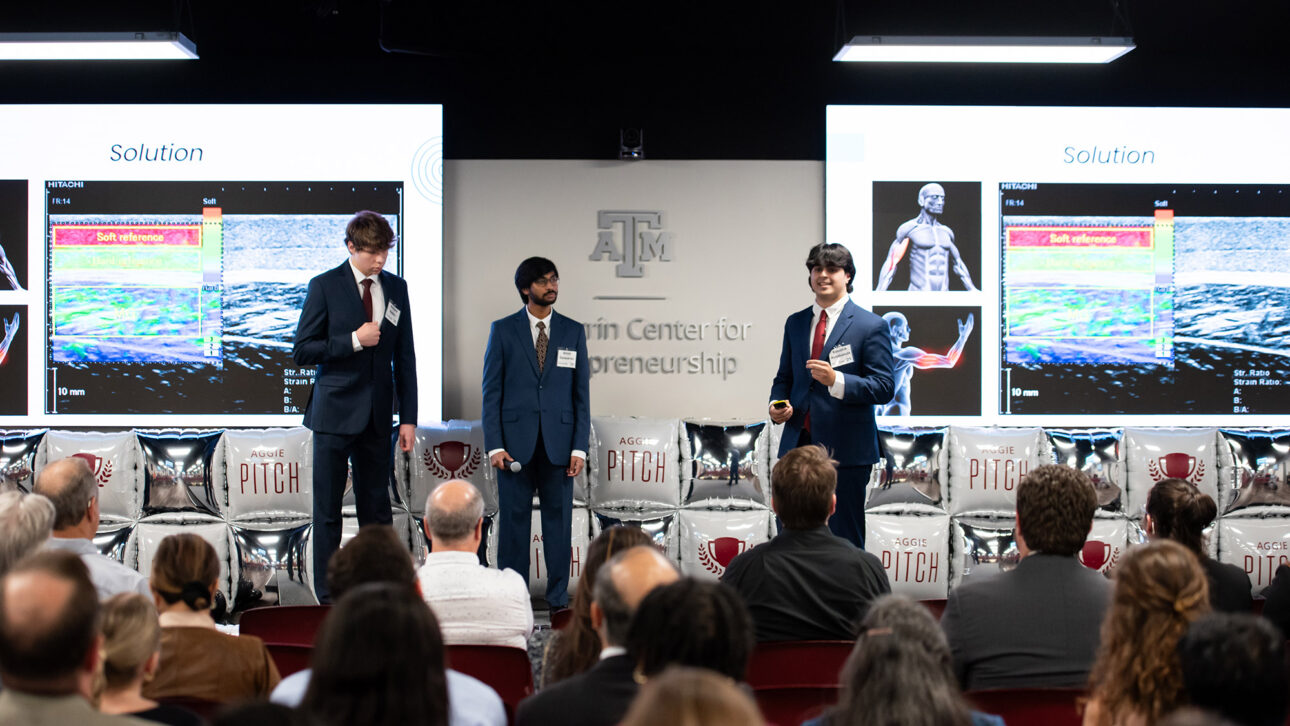
In addition to Aegis Armor, Easwaran is also working on another health-focused project. He and his colleagues Richard Balbin and Kaushik Avadhanula developed ElastaScan, a device that assists physical therapists in monitoring the muscle movement of patients in rehabilitation.
The ElastaScan uses smart sensors to analyze muscle activation during physical activity, providing valuable data on patients’ recovery.
With this technology, physical therapists can track movement progress and tailor treatments as needed.
Easwaran’s commitment to innovative solutions reflects his desire to positively impact communities facing health and safety challenges.
Whether preventing snake bites or improving physical rehabilitation, he seeks to combine engineering and accessibility to transform lives.
With information from Interesting Engineering.