






 Portuguese
  Spanish


Decision by the Maranhão Court brought into debate the collection of personal data in pharmaceutical retail, consumer protection, and the use of CPF as a condition for promotional prices on medications and health products
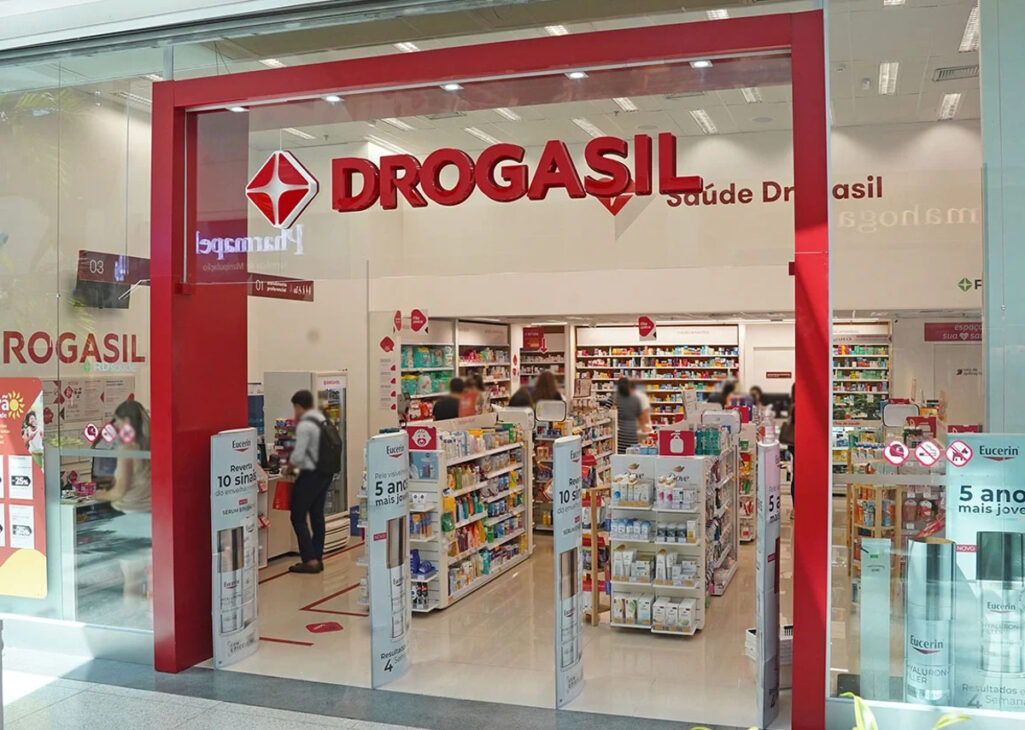
The pharmacy chain Drogasil was ordered by the Maranhão Court to pay R$ 10 million for collective moral damages after conditioning discounts and promotions on the provision of consumers’ CPF. The sentence was handed down by judge Douglas de Melo Martins, from the Court of Diffuse and Collective Interests of São Luís, as announced by the Maranhão Court of Justice, on June 2, 2026.
The decision upheld a public civil action filed by the Center for Citizenship Promotion and Human Rights Defense Padre Josimo and the Institute of Citizenship, Human Rights and Social Development of Maranhão (ICDESCA). According to the Court, the practice was considered abusive because it linked financial benefits to the provision of personal data at the time of purchase.
Drogasil will have to offer discounts without requiring CPF
The sentence determined that Drogasil must stop requiring personal data to release promotional prices. Therefore, the same discounts must be offered to all customers, regardless of registration, loyalty program membership, or providing CPF at checkout.
-
Seniors Over 60 Can Travel for Free Across Brazil: Elderly Statute Ensures Two Free Bus Seats and 50% Discount When Full for Low-Income Passengers

-
Detran RJ starts requiring a toxicological test for those obtaining their first driver’s license in the car and motorcycle category starting June 29; see who will be affected.

-
Florida takes TikTok to court and accuses the Chinese giant ByteDance of ignoring the law that bars minors under 14, while parents and authorities demand more protection for children on social networks.
-
Chamber approves constitutional amendment reducing the age of criminal responsibility from 18 to 16 years; what now?




According to the magistrate’s understanding, data protection legislation requires that any sharing of personal information occurs freely, consciously, and informed. However, by tying the discount to the CPF, the company created a situation of pressure on the consumer.
For Douglas de Melo Martins, this practice compromises the validity of consent. Furthermore, the judge classified the conduct as a coercive and unfair commercial practice, especially as it involves medications and health-related products.
Data collection must be explained before registration
Following the sentence, Drogasil will also have to reformulate its service procedures. The network must clearly inform what the purpose of data collection will be before joining any registration.
In addition, the company will need to explain how long this information will be stored. It must also clarify whether the data will be shared with third parties.
According to the decision, participation in promotional programs cannot depend on the delivery of personal information at the time of purchase. Thus, the court reinforced that discounts and benefits cannot function as a mechanism for compulsory data collection.

Compensation will be allocated to state fund
The amount of R$ 10 million will be allocated to the State Fund for the Protection of Diffuse Rights (FEPDD). The conviction seeks to repair collective moral damages related to the practice considered abusive by the Maranhão court.
The case, therefore, gained prominence for involving personal data protection, consumer rights, and loyalty programs in the pharmaceutical sector. Furthermore, the decision may influence other retail companies that adopt discounts linked to CPF.
The sentence also reinforces a central point in the privacy debate. After all, the consumer must receive clear information before providing their personal data and cannot be economically pressured to do so.
Decision may impact pharmaceutical retail practices
The conviction of Drogasil appears as one of the most relevant decisions regarding data collection in pharmacies in Brazil. Although loyalty programs are common in commerce, the court understood that access to discounts cannot be conditioned on the mandatory provision of personal information.
With this, the case broadens the discussion about how retail chains use registrations, CPFs, and commercial benefits. At the same time, the decision reinforces that transparency, freedom of choice, and consumer protection should guide this type of relationship.
In this scenario, the sentence places an important question at the center of the debate: to what extent can a pharmacy discount justify the requirement of consumer personal data?








