Portuguese
  Spanish


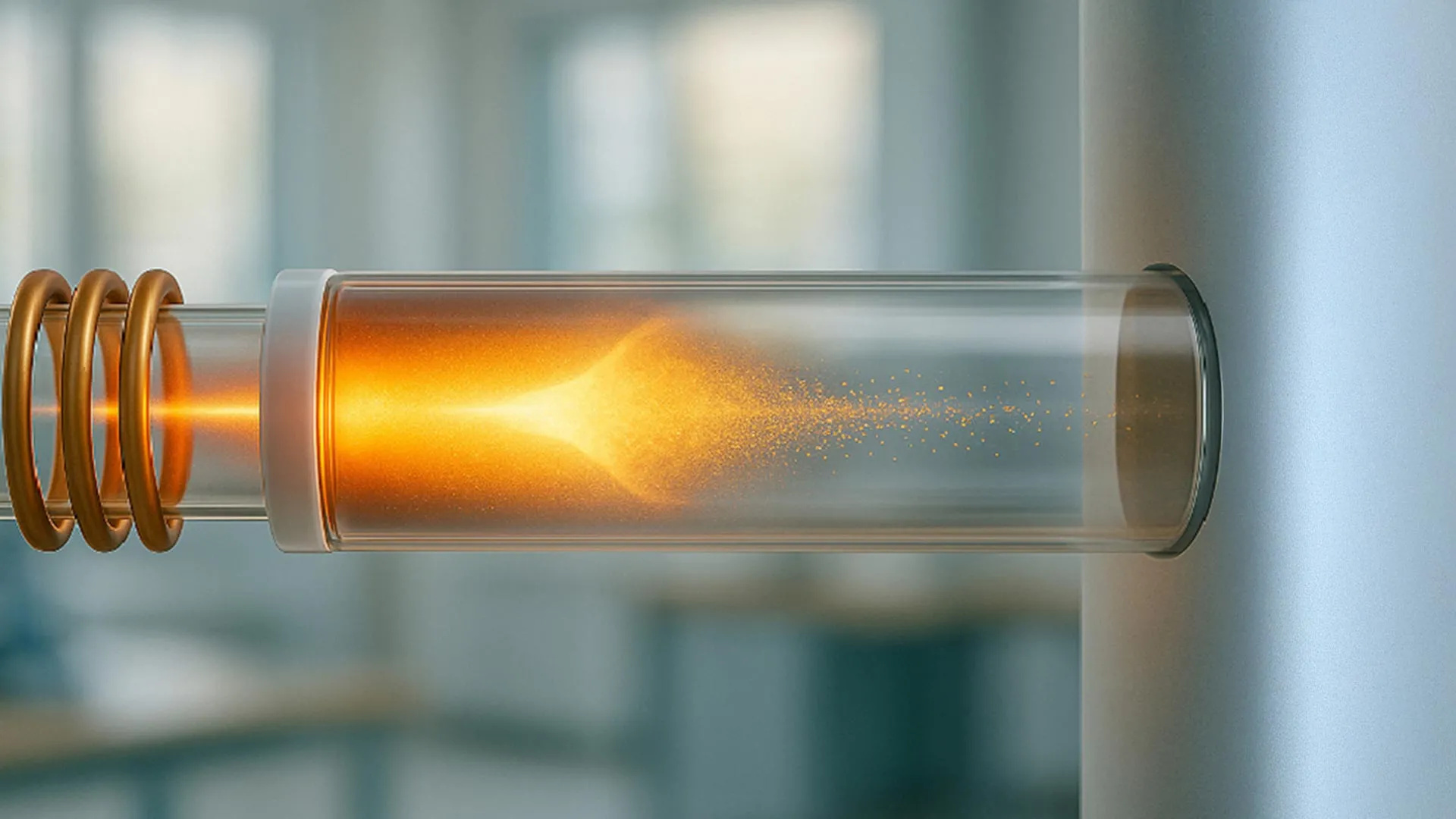

Experiments from the Lawrence Livermore National Laboratory show that the exposure time of materials to high temperatures can alter the formation of radioactive fallout by influencing chemical reactions between uranium, cerium, and cesium during the cooling of a nuclear fireball.
Data from a plasma experiment indicate that the cooling history within a nuclear fireball can change the composition of radioactive fallout, especially when volatile elements, like cesium, remain longer at high temperatures.
Nuclear fireball was recreated in a controlled environment
Researchers from the Lawrence Livermore National Laboratory investigated how radioactive particles form after materials are vaporized, chemically react, and re-condense. The study was published in the journal Analytical Chemistry and analyzed uranium, cerium, and cesium.
The research aimed to simulate part of the internal environment of a nuclear fireball, a phenomenon associated with the detonation of a nuclear weapon or a severe reactor accident. In these situations, an energy release occurs in less than a millionth of a second.
-
How Much Does Starlink Satellite Internet Cost for Cars, Trucks, and RVs? Prices for Antenna, Accessories, and Plans

-
Scientists Convert Food Waste into Aviation Fuel, Successfully Test 50% Blend with Conventional Kerosene to Cut Emissions and Promote Sustainable Flights
-
OnePlus N6 Smartphone to Launch in India with 8,000mAh Battery and 45W SuperVOOC Charging, Lasting Up to Three Days
-
Scientists Plan to Release Air Bubbles Underwater to Protect Antarctica’s “Doomsday Glacier” from Melting



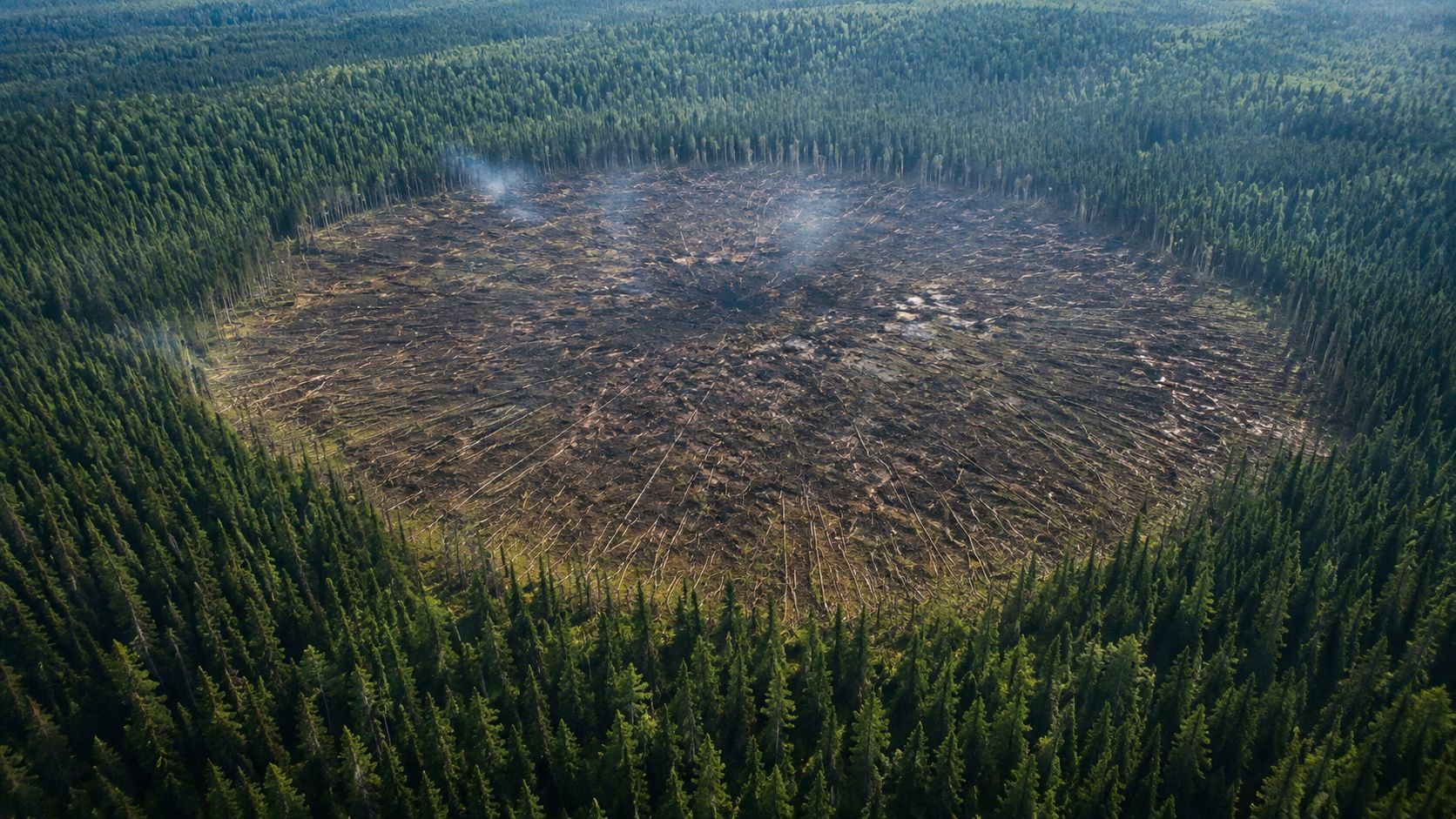
The extreme heat vaporizes the air and nearby materials, forming a bright cloud of gas and plasma. As this cloud expands, it mixes with the atmosphere, loses temperature, and condenses into solid particles that make up the radioactive fallout.
Cooling altered reactions and formed particles
To observe the process, the team used a plasma flow reactor. Specific combinations of materials were introduced into high-temperature plasma, vaporized, and conducted through a tube where the thermal drop could be controlled.
The scientists compared two thermal histories. In one, the temperatures gradually decreased along the tube. In the other, the materials remained hot for longer before a rapid cooling. Samples were collected at different points in the system.
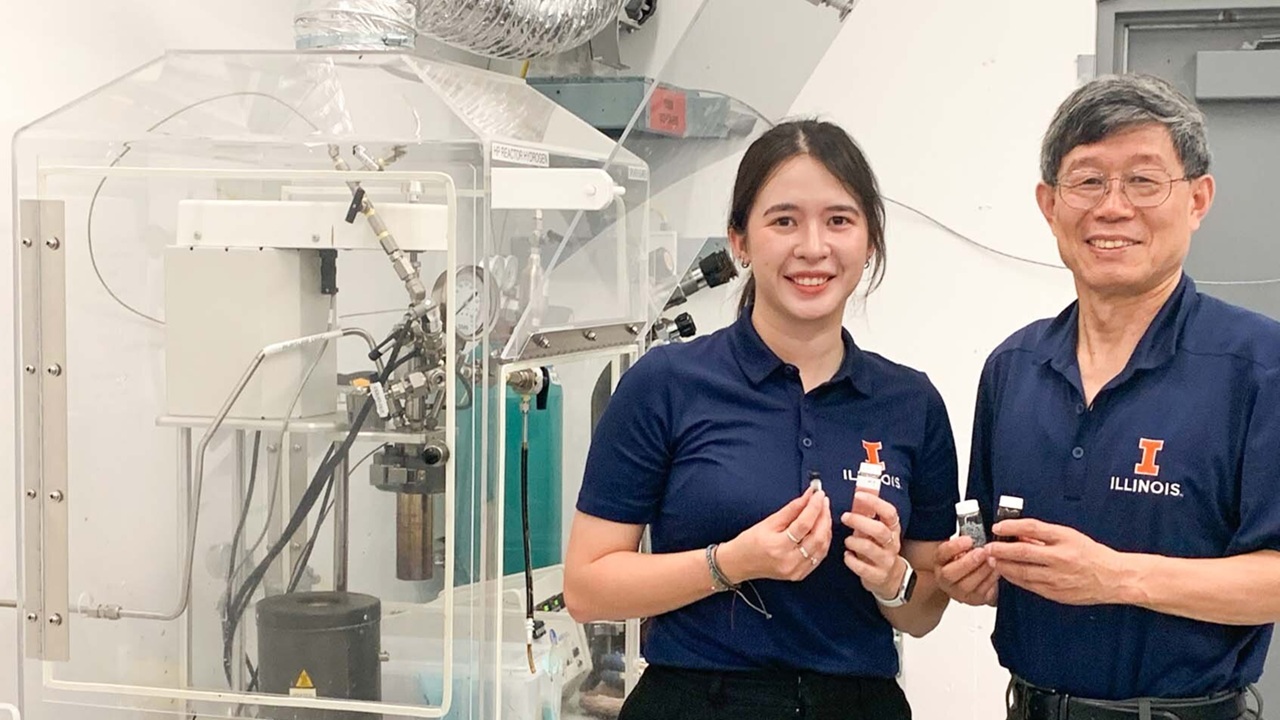
The scientist Rakia Dhaoui, author of the work at LLNL, stated that changing the exposure time of materials to high temperatures can modify chemical reactions and the incorporation of volatile elements into particles. For her, these particles preserve records of how they were formed.
Cesium behaved differently from uranium and cerium
The choice of elements allowed for the comparison of distinct behaviors during condensation. Uranium, less volatile, condensed at the beginning of the process and served as a reference. Cerium, often used as a substitute for plutonium, showed condensation similar to uranium.
Even so, uranium and cerium had changes in their chemical composition according to the thermal history applied. Cesium showed the main difference: it condensed much later and mixed more intensely with uranium and cerium when it remained longer at high temperatures.
This result indicates that radioactive fallout does not depend solely on the moment each element condenses. The chemical interactions between materials, during the temperature reduction, can also influence the final particles.
Radioactive fallout models can be improved
The work suggests that models used to interpret nuclear debris may overlook relevant chemical interactions.
Many treat materials as if they behave independently, which only partially represents some reactions.
By isolating the effect of thermal history, the researchers obtained measurements in a controlled system to evaluate and improve models previously based on simplifications. The team intends to study more realistic mixtures of materials to better understand processes associated with real nuclear events.
More information about the study available at this link.