Portuguese
  Spanish


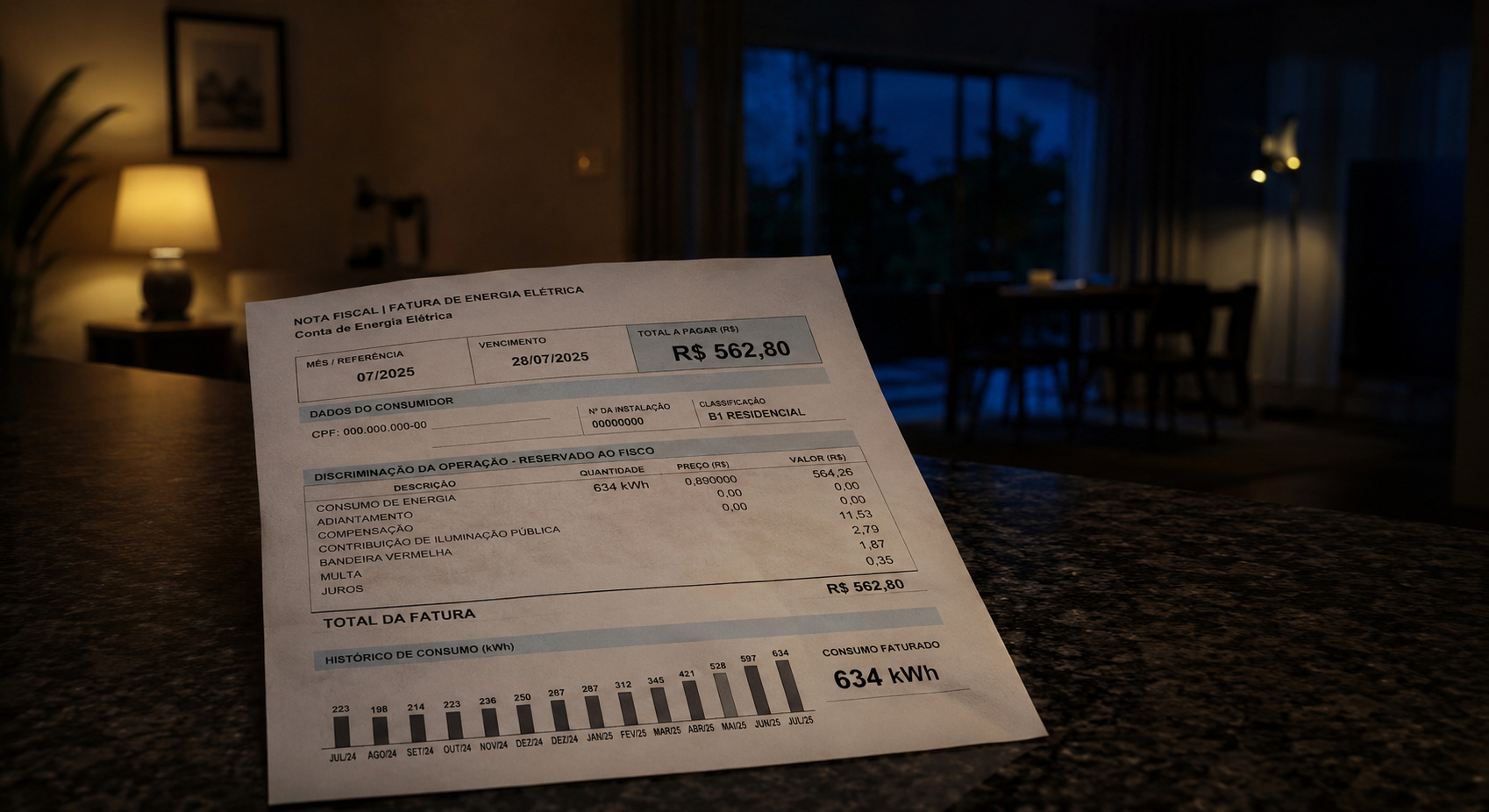

Air conditioner can consume from 216 to 600 kWh per month, but a clean filter, correct temperature, Inverter technology, and adequate BTUs reduce the expense on the electricity bill.
According to Bulbe Energia, the air conditioner is one of the largest energy consumers in Brazilian homes, second only to the electric shower among the appliances with the greatest impact on the electricity bill. Consumption can vary drastically according to usage habits that many people do not directly associate with the monthly bill. A conventional 9,000 BTU air conditioner used 8 hours a day consumes approximately 216 kWh per month. A 12,000 BTU model, under the same conditions, reaches about 288 kWh monthly. Larger, older appliances or those used for more hours can easily reach 600 kWh per month.
With an average rate of R$ 0.90 per kWh, already considering taxes, this represents from R$ 194 to R$ 560 monthly with a single piece of equipment. And these values assume that the appliance is clean, well-installed, and set to the correct temperature, which is not always the case in Brazilian homes.
Air conditioner is one of the biggest villains of the electricity bill in the Brazilian summer
The air conditioner consumes a lot of energy because it works by removing heat from the indoor environment and transferring this heat outside. This process depends on the compressor, the component that requires the most electricity within the air conditioning system.
-
Scientists Develop Innovative Material That Converts Visible Light to Ultraviolet, Unlocking New Possibilities for Optical Equipment and Advanced Communications

-
2011 Japan Earthquake Sent Seismic Waves to Earth’s Core, Returning in 15 Minutes and Shifting Entire Country Simultaneously, Scientists Reveal

-
NASA captures heart-shaped pink lagoon in Argentina’s salt flats
-
To Aid Mars Missions, 12 Volunteers to Spend 60 Days in Bed Without Getting Up, Earning €18,000 in Study Starting 2026


When the appliance is clean, properly sized and adjusted between 23°C and 24°C, the compressor works more efficiently. When there is a dirty filter, very low temperature, open doors, or inadequate BTUs, the compressor runs longer and increases energy consumption.
In periods of intense heat, this effect quickly appears on the bill. An appliance that could cost R$ 200 per month can exceed R$ 280 just due to lack of maintenance and incorrect use, without delivering real improvement in thermal comfort.
Dirty filter in the air conditioner can increase energy consumption by up to 40%
The filter is one of the simplest parts of the air conditioner, but also one of the most important for saving energy. It retains dust, pet hair, and suspended particles before the air passes through the evaporator.


When the filter is clogged, the airflow decreases and the evaporator loses efficiency in heat exchange. The compressor needs to work longer to reach the temperature set on the remote control, directly increasing consumption in kWh.
An air conditioner with delayed maintenance can consume 20% to 25% more energy. In cases of extremely dirty filters, air conditioning specialists point to an increase of up to 40% in consumption, which turns a simple cleaning into real savings on the electricity bill.
Monthly filter cleaning is the cheapest action to save energy
Cleaning the filter takes a few minutes and does not require expensive products. Just remove the piece, wash with running water, let it dry completely, and replace it in the device according to the manufacturer’s instructions.
This care should be taken monthly during periods of frequent use. In homes with pets, a lot of dust, or daily use for several hours, cleaning may need to be done at shorter intervals.
The advantage is direct: zero cost and the possibility of reducing dozens of reais per month on the bill. Few household actions have such a clear relationship between minimal effort and energy savings as cleaning the air conditioner filter.
Air conditioner temperature changes the electricity bill more than many people imagine
The second factor that weighs most on consumption is the temperature set on the remote control. Each degree lower on the thermostat can represent approximately 7% more in energy consumption.
This means that using the air conditioner at 20°C instead of 23°C can increase the cost by about 21%. In a device that would cost R$ 200 per month, this difference can add approximately R$ 42 monthly to the electricity bill.

The problem is that many people believe that setting the device to 16°C or 17°C cools the environment faster. In practice, the compressor already works at maximum power at the start of cooling, and the very low temperature only prolongs the operating time.
Inverter Air Conditioner can reduce the bill compared to conventional models
The compressor technology is one of the factors that most differentiates the consumption between devices of the same capacity. The conventional air conditioner works in two states: compressor on at maximum power or compressor off.
This on and off cycle generates consumption peaks at each start. On hot days, with 8 hours of use per day, the process can repeat hundreds of times a month, increasing energy consumption and equipment wear.
The Inverter air conditioner works differently. The compressor starts strong, but then reduces speed and continues operating at low rotation. In recent models, savings can reach up to 70% compared to conventional devices, depending on usage and environmental conditions.
Difference between conventional and Inverter air conditioner appears in monthly cost
On average use, the difference between a conventional model and an Inverter can represent savings of R$ 100 to R$ 200 per month. For those who use the device every day, the accumulated impact over the year can be high.
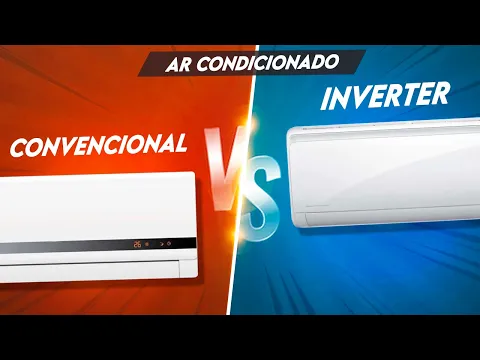
Although the Inverter costs more at purchase, the price difference can be recovered between 12 and 18 months of savings on the electricity bill, especially in homes where the equipment operates for several hours daily.
The technology also reduces temperature fluctuations, improves comfort, and decreases compressor wear. Therefore, for those who use air conditioning frequently, the Inverter tends to be more economical in the total cost of use.
Wrong BTUs make the air conditioner work without rest
BTU sizing is another decisive point to avoid waste. A device too weak for the size of the environment cannot reach the programmed temperature and keeps the compressor on for much longer.
The common mistake is installing a 9,000 BTU air conditioner in large rooms, environments with direct sunlight, or spaces with many electronic devices. In this case, the equipment works at its limit and consumes more energy without delivering adequate cooling.
The basic rule is to calculate about 600 BTUs per square meter in environments with normal ventilation. It is also necessary to add extra load for additional people, computers, large televisions, and intense solar exposure.
Oversized air conditioner can also consume more and wear out the compressor
The opposite problem occurs when the device has too many BTUs for a small environment. In this case, it cools quickly, turns off, turns back on shortly after, and repeats this cycle excessively.
This behavior causes consumption spikes and can wear out the compressor sooner. Additionally, thermal comfort may worsen because the environment cools too quickly without stable humidity and temperature control.
The ideal is to choose the correct capacity for the size of the room and the actual thermal load. Wrong BTU is not just a purchase mistake: it’s a waste that accompanies the device throughout its useful life.
Open doors, direct sunlight, and use without a timer increase air conditioning costs
Keeping doors and windows closed while the air conditioner is on is one of the simplest measures to save energy. Each opening allows cold air to escape and hot air to enter, forcing the compressor to compensate for the loss.
Curtains and blinds also help, especially in environments with direct sunlight during the hottest hours. By reducing solar radiation, the thermal load decreases, and the device needs to work less to maintain the temperature.
The timer is another ally. Programming the automatic shutdown during the night prevents the air conditioner from continuing to operate for hours when the environment is already cool enough to maintain comfort.