Portuguese
  Spanish


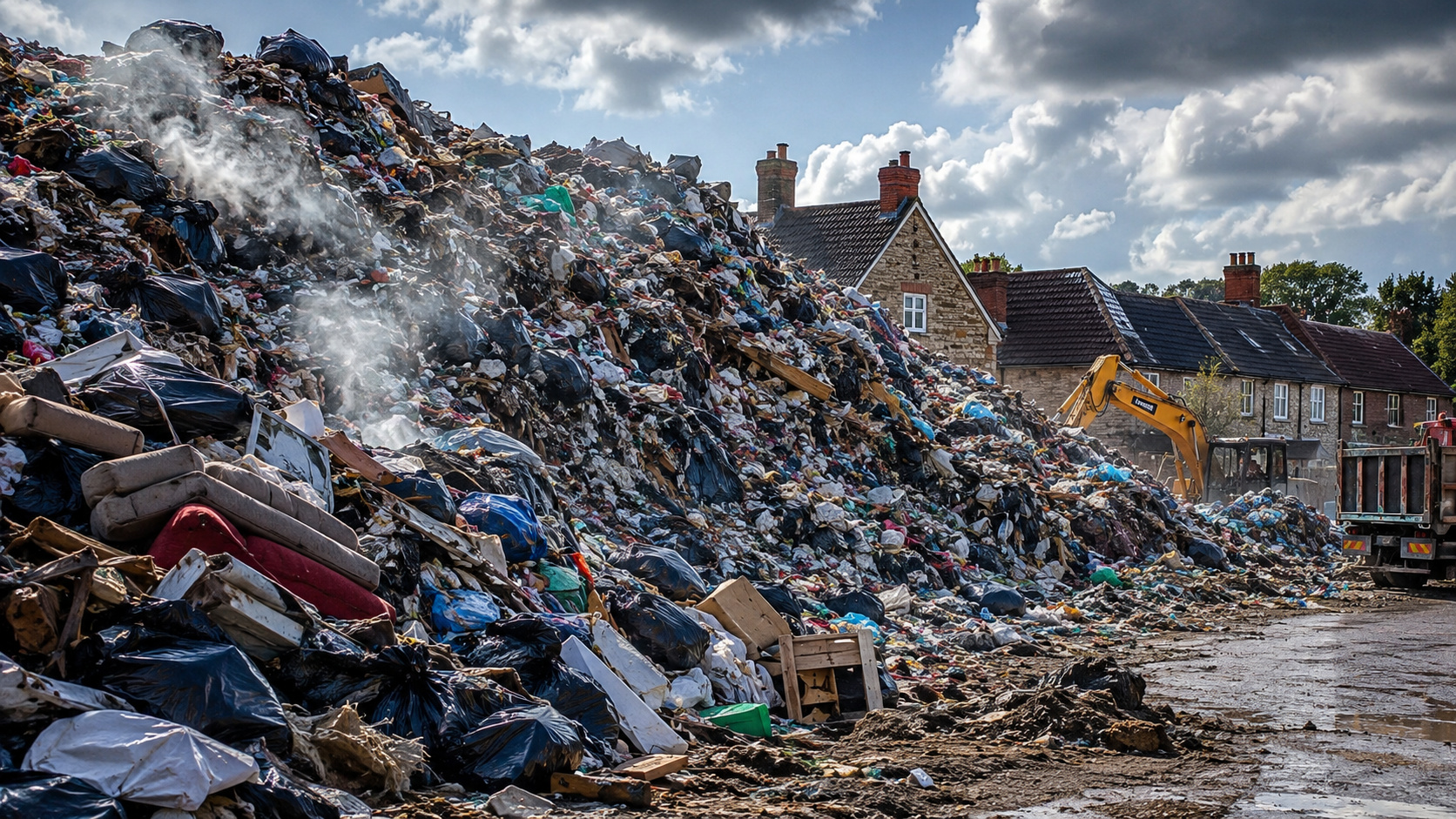


The Kidlington case shows how illegal waste disposal has become an expensive, dangerous, and difficult-to-solve environmental crisis in the United Kingdom
An illegal mountain of waste 6 meters high and 10,000 tons has emerged in Kidlington, Oxfordshire, England, and has become a symbol of the rise of clandestine dumping in the United Kingdom.
The pile of waste draws attention due to its size. Seen up close, it looks like a wall of trash taller than a house. The problem involves not only accumulated dirt. There is a fire risk, high removal cost, and suspicion of criminal activity profiting from illegal dumping.
The information was published by The Times, a British national circulation and general news newspaper. The case entered the debate on environmental crime, enforcement, and the limits of cities to clean up giant illegal dumps.
-
Farewell to Toilet Paper? New Technology Sparks Debate on Bathroom Habits

-
Young Entrepreneur Who Started Recycling Bottles at Age 3 Becomes Environmental Icon in the U.S.

-
Nivea Blue Tin Cream: Popular Post-Beach and Pool, But Pharmacist Warns About Missing Ingredients and Common Summer Mistakes Regarding UVA and UVB Protection.
-
Archaeologists Recover Colossal Structure Lost for Over 1,600 Years Under the Sea, Including 22 Monumental Blocks Weighing Up to 80 Tons, Intriguing Experts.




How a wall of trash taller than a house became a national problem in England
In Kidlington, illegal waste stopped being a hidden problem in an isolated area. The pile gained the proportion of an abandoned urban scene, with 6 meters high and about 10,000 tons of waste.
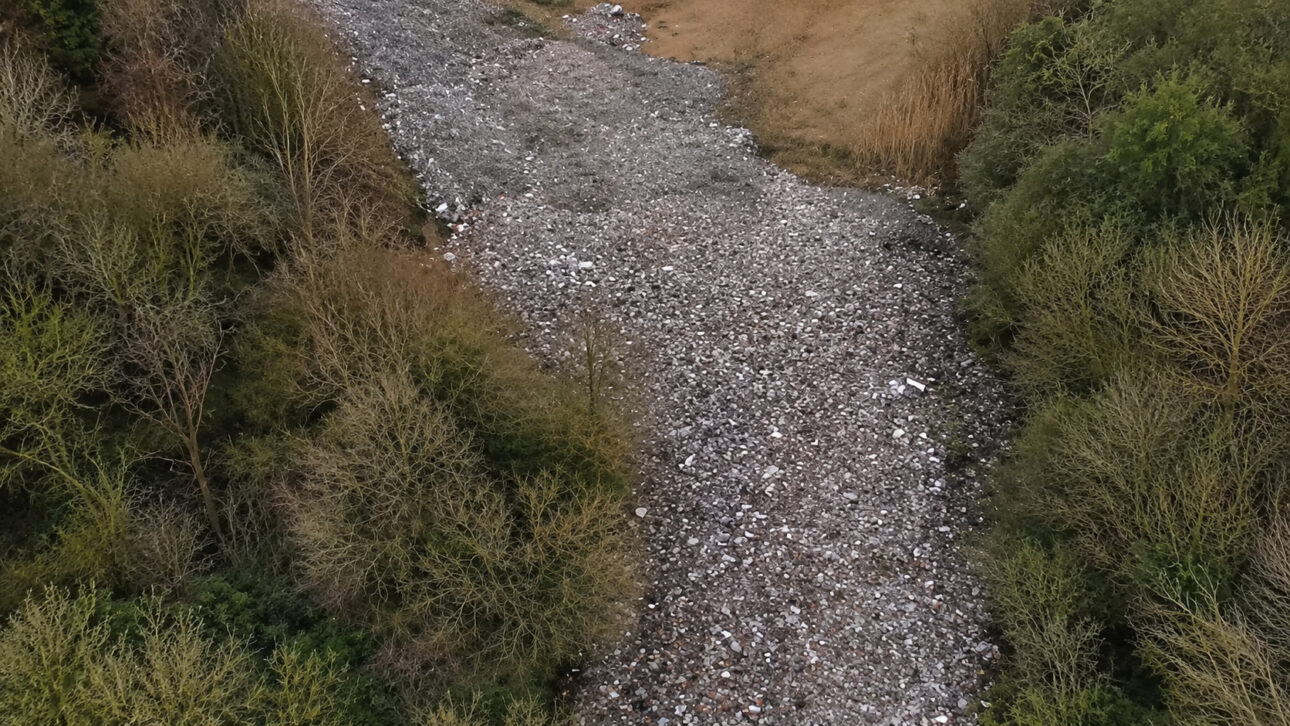
This type of clandestine dumping is alarming because it grows outside areas prepared to receive waste. A regular landfill requires control, supervision, and structure. An illegal dump emerges without this care and shifts the risk to residents, public authorities, and the environment.
The image of the mountain of trash helps explain why the case went viral. It’s not about a few bags thrown on a road. It’s a mass of waste comparable to a low-rise building, accumulated irregularly and difficult to remove.
The impact is also financial. When waste is dumped in the wrong place, cleaning up ceases to be a simple task and can become an expensive, lengthy, and risky operation.
Why cleaning up an illegal dump can cost millions after the damage is done
The removal of an illegal pile of this size requires machines, trucks, a specialized team, and the correct destination for each type of waste. Therefore, the cleanup can cost millions.
The problem is simple to understand. Proper disposal has a cost. Dumping waste illegally transfers this cost to someone else. In the end, the bill may fall on local authorities, environmental agencies, or taxpayers.
In a regular landfill, the material is controlled. In an illegal dump, the waste may be mixed, scattered, and without clear identification. This makes removal slower and more expensive.
The practical consequence is severe. An area used illegally can remain unsolved for months, while the pile of waste remains exposed and the cleanup cost increases.
The risk of fire turns illegal dumping into a threat for residents and authorities
A pile of waste with 10 thousand tons also represents a physical risk. When waste accumulates in large volumes, the risk of fire becomes a central concern.


Fire in such a location can generate smoke, bad odor, and danger to nearby areas. Moreover, a fire in mixed waste can further complicate the work of cleanup teams.
This risk helps explain why the Kidlington case gained traction in public debate. Illegal dumping not only harms the appearance of a region. It can turn a site into a real threat.
Illegal dumping creates a silent environmental bomb. First, it appears as discarded waste. Then it becomes a security, public health, and million-dollar expense issue.
The role of organized crime in the dirty business of illegal waste
Illegal dumping can become a business for criminals because there is money involved at every stage. Those who collect waste irregularly can charge for the service and avoid the costs of proper disposal.
The logic is straightforward. The client pays to get rid of the waste. The criminal collects the material. Instead of taking it to an appropriate location, they dump it on a vulnerable site and keep the profit.
The Times, a British national newspaper of general news, detailed the connection between large clandestine deposits and criminal groups exploiting regulatory failures in the countryside and remote areas.
This type of crime takes advantage of less monitored locations. Rural lands, abandoned areas, and fragile properties can become targets because they allow for the dumping of large amounts of waste away from the public eye.
How a Giant Clandestine Dump is Born Far from Official Landfills
A giant clandestine dump usually doesn’t appear all at once. It grows when trucks repeatedly dump waste in the same place until the pile becomes a mountain.
The most serious point is that the site was not planned to receive waste. There is no control structure like that of a regular landfill. As a result, each new load increases the environmental risk and makes removal more difficult.
In the case of Kidlington, the scale is striking because the pile reached 6 meters in height. This data shows how illegal dumping can progress when the response is delayed or when those responsible can act without sufficient control.
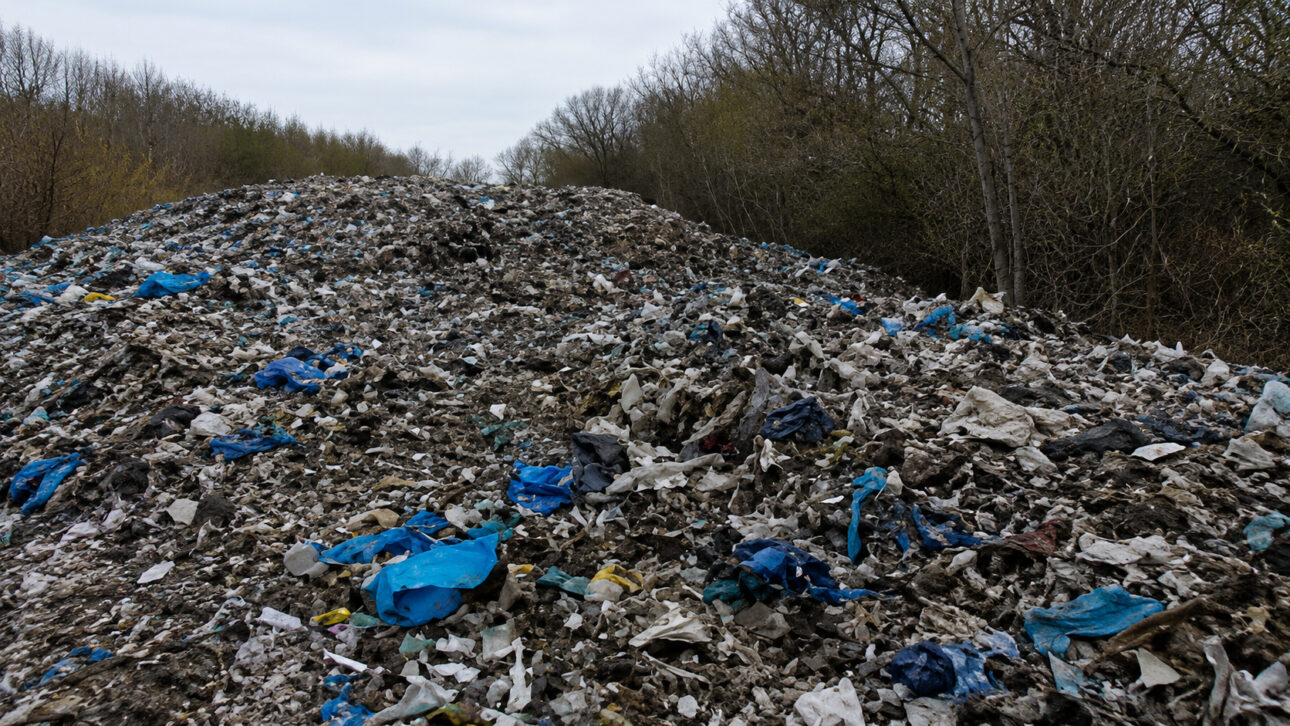
The result is a crisis that seems local but reveals a bigger problem. A city may identify the dump, but it doesn’t always have the structure, money, and power to solve everything alone.
Why the Problem Spread Across the UK and Became an Environmental Crisis
The case of Kidlington entered a larger discussion about illegal dumping in the UK. The presence of a waste mountain of this size shows that the problem is not limited to minor infractions.
When criminals find loopholes to profit, waste ceases to be just an urban cleanliness issue. It becomes an illegal market, with losses for residents, authorities, and companies that follow the rules.
The crisis also exposes the difficulty of response. Properly removing waste requires money and coordination. Meanwhile, illegal deposits can appear in remote areas and grow until they become too visible to ignore.
The Kidlington mountain became a symbol because it brings together three problems in one place: illegal dumping, fire risk, and million-dollar cleanup cost.
A pile of garbage became a portrait of a system pressured by environmental crime
The illegal mountain of garbage in Kidlington shows how a vulnerable land can become the stage for a national problem. What started as clandestine dumping grew to reach 6 meters in height and 10,000 tons.
The case also raises an uncomfortable question. When cleaning up costs millions and crime profits from dumping, tackling the problem requires more than just removing the garbage. It requires preventing new mountains from appearing elsewhere.
If an illegal dump of this size can emerge in a wealthy country, what does it reveal about the difficulty of monitoring the waste everyone produces every day?