






 Portuguese
  Spanish


Study by the University of York published in the journal Antiquity analyzed the size of Mohenjo-daro’s dwellings and concluded that inequality decreased as the city grew, expanded its productivity, and maintained sophisticated urban infrastructure without palaces, monumental tombs, or evident signs of wealth concentrated in a ruling elite.
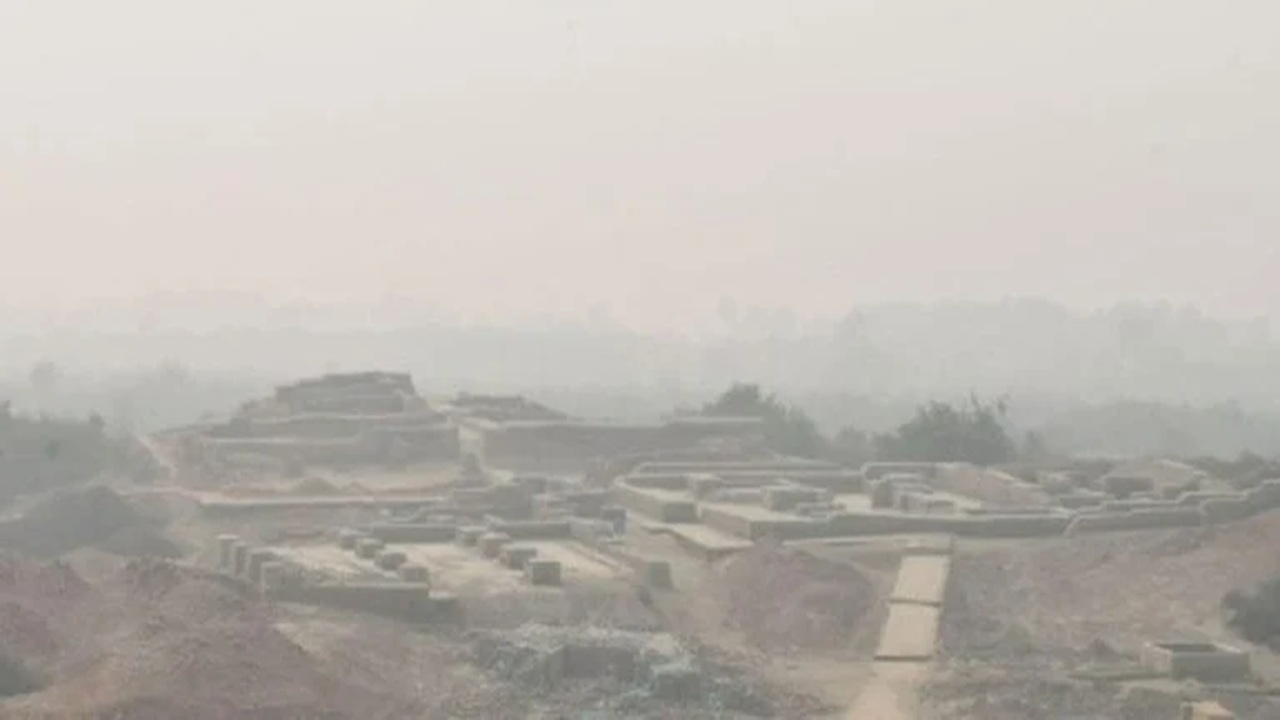
The 4,000-year-old city of Mohenjo-daro, the largest city in the Indus Valley, may have followed a different trajectory from that observed in other ancient societies. A study indicates that as it grew and prospered, inequality among its inhabitants decreased.
The research, conducted by experts from the University of York, analyzed the size of the houses built throughout the city’s history. The results show that the difference between the largest and smallest residences became less pronounced as Mohenjo-daro matured.
4,000-year-old city defies historical model
For a long time, historians associated the growth of the first cities with increased inequality. In centers of Egypt, Mesopotamia, and Greece, rulers, priests, and other elites concentrated wealth, authority, and monumental constructions.
-
Lost Page from Archimedes Palimpsest Resurfaces in French Museum After Decades, May Reveal Hidden Mathematical Calculations with X-ray and Multispectral Imaging

-
Brazilian Education Ministry Announces Tech Benefits for Teachers, Providing Smartphones, Notebooks, and Tablets to Enhance Digital Learning and Professional Development
-
Woman Stranded for Six Months in Brazilian Airport After Losing Passport and Ticket, Faces Agonizing Wait to Reunite with 15-Year-Old Son at Age 56.

-
Brazilian Man Amputates Own Foot in Attempt to Claim $300,000 Insurance Payout, But Key Evidence Found Nearby Exposes the Fraud.




Mohenjo-daro presented a different scenario. In the final periods of its occupation, the disparity measured by the size of the dwellings would have receded to levels similar to those found in the earliest agricultural villages, even as the city maintained a large urban scale and productive activity.
The study also points out that Mohenjo-daro was more egalitarian than comparable societies in Mesopotamia and Greece.
The conclusion challenges the idea that larger, more productive, and technologically advanced cities need to concentrate wealth and decisions in the hands of a few.
Infrastructure replaced elite monuments
The city did not leave behind grand palaces, tombs filled with gold, pyramids, or statues dedicated to rulers. Instead of these displays of power, its inhabitants invested in brick-lined drainage, street maintenance, and organized urban planning.
These practical structures were distributed throughout the city and served ordinary families. For researchers, this suggests a form of organization based on collective cooperation and the maintenance of shared daily conditions, rather than the creation of exclusive privileges for a small elite.
Another indication appears in the seals used in trade and business. They were found mainly inside common residences, and not concentrated in public buildings or palaces, structures that did not exist in Mohenjo-daro as seen in other civilizations.
Trade and resources with broad access
The city also used a standardized system of weights and measures throughout the region. This standardization helped organize trade exchanges and is presented by the study as part of a structure that broadened access to the economic instruments used daily.
The evidence does not point to a single ruler controlling resources and decisions. The residents seem to have collectively participated in the maintenance of the city, ensuring broad access to urban amenities and a quality of life considered high for that historical context.
Published in the journal Antiquity, the research is authored by Adam S. Green, Iqtedar Alam, and Cameron Petrie. The work, released on May 18, 2026, argues that inequality fell precisely when the productivity of Mohenjo-daro seems to have increased.
For Green, the case demonstrates that prosperity and innovation do not necessarily depend on the concentration of power. The experience of the Indus Valley indicates that resources, infrastructure, and commercial instruments could be shared while a large urban center remained productive for centuries.
The discovery transforms Mohenjo-daro into an important example for the debate on the origins of cities. Instead of confirming that wealth inevitably produces inequality, the 4,000-year-old city reveals that urban growth, technology, and more balanced distribution may have coexisted.
What catches your attention most in this urban organization: the absence of palaces, the reduction of differences between houses, or the collective investment in drainage, streets, and trade? Leave your opinion in the comments and tell if this ancient model changes your view on prosperity, power, and inequality.
Source: “Inequality declined in the Bronze Age city of Mohenjo-daro”, by Adam S. Green, Iqtedar Alam, and Cameron Petrie, published on May 18, 2026


Be the first to react!