






 Portuguese
  Spanish


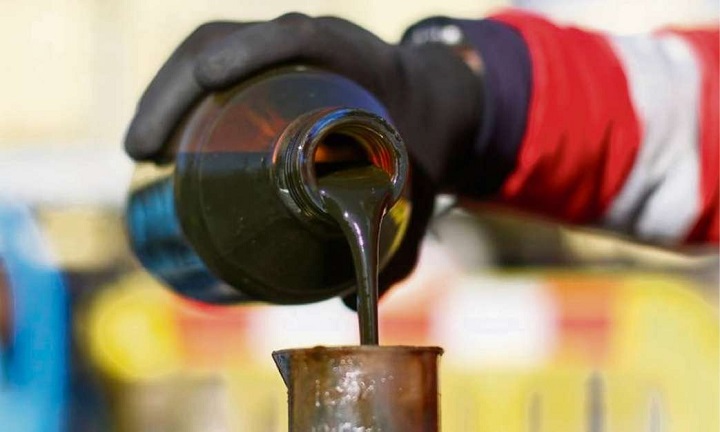
Studies Conducted by Fitch Solutions Say That Oil Production in Angola Will Fall by 41% by 2028
Studies conducted by Fitch Solutions say that oil production in Angola will decrease by 41% by the year 2028. In practice, this means 550,000 barrels daily. Based on the studies conducted by the consultancy, efforts will need to be doubled in the country’s oil exploration.
- Maritime Services Company Calls for Professionals for Offshore Job Openings in Rio de Janeiro
- Occupational Safety Technician, Assistant, and More Needed for Positions at Multinational Fugro
- Offshore Drilling Services Provider Opens Job Openings for Rio das Ostras, Rio de Janeiro
In comparison to the year 2019, a significant difference in the produced numbers is noted: the average production of the country was 1.3 million barrels per day. Still, Angola is the second-largest oil producer on the African continent.
-
Controversial 6-day Workweek Elimination in Brazil Faces Economic Criticism Over Productivity Claims

-
Itaú to Refund Customers After 14 Years of Unauthorized Credit Card Charges; Agreement Includes No Interest or Adjustments, Deadline by 2028, with Potential Impact of Up to $6.5 Billion

-
Brazilian Company Grows from Bartering Soap for Food to Producing 30 Million Units Monthly, Challenges Global Giants with $100 Million Revenue and Expands into Premium Cosmetics
-
Petrobras and Engeko’s New Investment Plan Promises Billions and Thousands of Jobs, Capturing Market Attention


However, according to the same study, the decline in oil production is not only a fact in the country but throughout the region. Analysts say that “New substantial investments are needed to offset the expected decline rates for the region.”
According to MIREMPET (National Directorate of Markets and Promotion of Commercialization of the Ministry of Mineral Resources and Petroleum), Angola exported about 470 million barrels of oil last year, at an average price of $65.2.
The annual value (2019) divided by 365 days gives an average of 1.312 million barrels daily. If this continues, by the year 2028, Angola would produce approximately 278 million barrels annually, which, at the current price, would represent $18.1 million. The practical representation of such a figure results in a decrease of 41%, compared to the $31.2 million exported.
The experts who authored the report further state that “Globally, the oil and gas sector has been grappling with the consequences of reduced demand, overproduction, and a low price evolution outlook, among other factors.” They also affirm that major market oil companies are more focused on cost containment than on launching new investments, despite discoveries in the region.





Be the first to react!