






 Portuguese
  Spanish
  2 min of reading
  0 comments


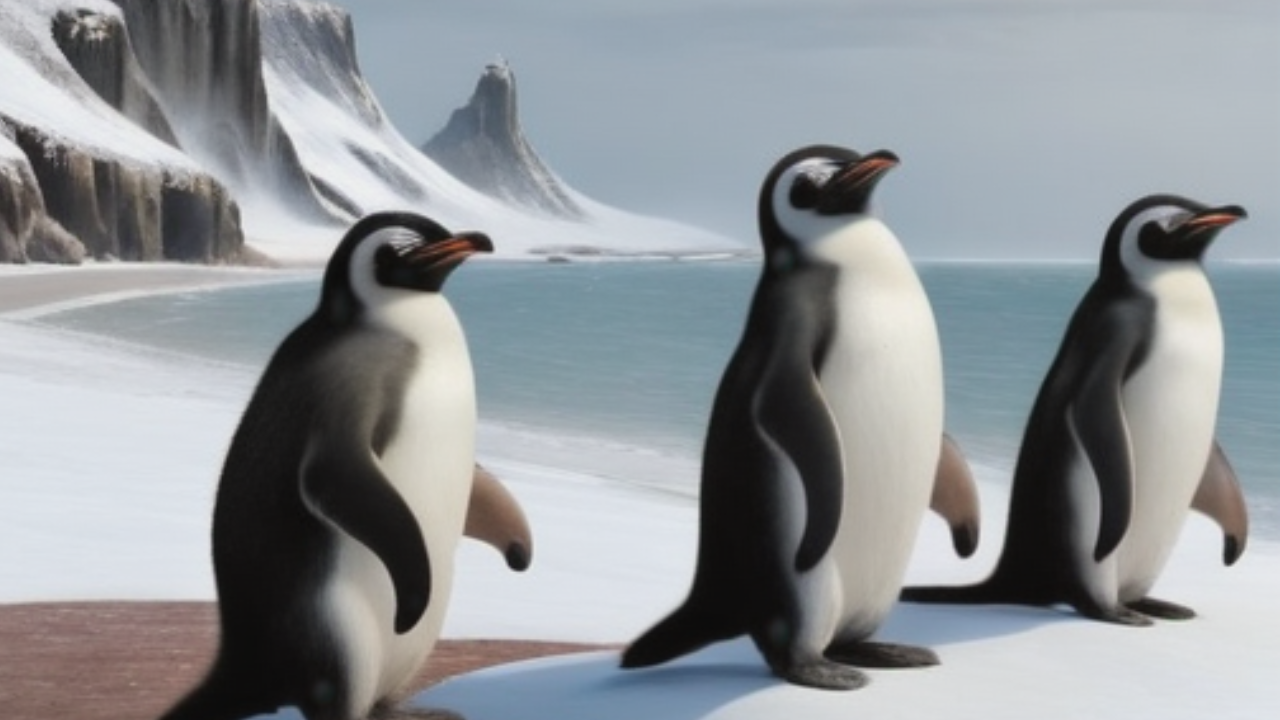
Trump Imposes Tariffs on Remote Islands in Antarctica, Surprises Australia and Raises Debate on Global Economic and Environmental Impacts.
In an unexpected measure that generated international perplexity, former United States President Donald Trump included the isolated Heard and Macdonald Islands — located in the region of Antarctica — in the new round of trade tariffs.
The decision, deemed a mistake by Australian authorities, directly affects uninhabited and practically inaccessible territories, raising questions about the criteria adopted and the possible impacts on the global economy.
The Heard and Macdonald Islands, situated about 4,000 kilometers southwest of Australia, are recognized for their unique biodiversity, featuring vast colonies of penguins, seals, and seabirds.
-
Brazilian Joins Homeownership Consortium, Faces Decade of Dual Payments Totaling $141,000, Surpassing Traditional Mortgage

-
Land Rover to Halt Production in July, Putting 371 Jobs at Risk, as Chinese Automaker Negotiates to Convert Factory to 100,000 Vehicles Annually by 2027

-
Mexican Pest Threatens U.S. Cattle Herds at Historic Lows, Potentially Boosting Brazilian Beef Exports as Burger Prices Soar

-
Brazilian Freight Bill Progresses in Congress with $5,000 Minimum Wage, 70% Advance Payment, and Fines Up to $1 Million, as Agriculture and Industry Warn of Rising Costs and Legal Uncertainty


Uninhabited and rarely visited by humans, these islands are part of the UNESCO World Heritage and are a rare example of an untouched ecosystem.
However, they have recently become the target of a 10% trade tariff imposed by the Trump administration, despite having no significant economic activity.
Australia’s reaction was immediate. Trade Minister Don Farrell described the decision as “clearly a mistake,” highlighting that the measure affects locations with no meaningful commercial ties to the U.S.
“Poor penguins… I don’t know what they did to Trump, but this shows how rushed the process was,” he joked in an interview with ABC.
In addition to the Heard and Macdonald Islands, other Australian regions have also been included in the tariff list, such as Christmas Island, the Cocos (Keeling) Islands, and Norfolk Island — the latter, with a population of about 2,200 inhabitants, was hit with an even higher tariff of 29%.
The justification for such tariffs remains unclear. Reports indicate that export data was misinterpreted, resulting in incorrect records regarding the origin of certain shipments.
According to an analysis by The Guardian, electronic products that actually came from other regions were labeled as if they originated from the Antarctic islands, distorting trade statistics.
For Australian Prime Minister Anthony Albanese, the decision reflects a misguided approach to U.S. trade policy.
He described the tariffs as “completely unjustified” and stated that “they are not the act of a friendly country.”
Professor Mike Coffin from the University of Tasmania emphasizes the absence of any productive infrastructure on the islands, noting that the last human expedition occurred in 2016.
“There’s nothing there. Just penguins, seals, and an active volcano,” he said, referring to Big Ben, the largest volcano in Australia, located on Heard Island.





Be the first to react!