Portuguese
  Spanish





Researchers Study Solar Geoengineering as an Alternative to Global Warming, Inspired by the Eruption of Mount Pinatubo in 1991, but Warn That Environmental, Social and Geopolitical Risks Still Outweigh the Possible Benefits of This Experimental Technique
Since the 1960s, science has been trying to understand ways to curb global warming. The idea gained momentum after the eruption of Mount Pinatubo in the Philippines in 1991, when the average temperature of the planet dropped by about 0.5°C. This episode reinforced interest in methods capable of artificially reducing the Earth’s heat.
Today, with climate impacts becoming increasingly evident, this possibility has returned to the center of scientific debates.
The Proposal for Stratospheric Aerosol Injection
The most discussed theory today is called stratospheric aerosol injection, or SAI (in English acronym).
-
In Andradina, in the interior of SP, a tannery transformed tilapia skin that slaughterhouses used to throw away into exotic leather for bags, shoes, and even wedding dresses, producing about 2,000 pieces per month and exporting to seven countries, proving that fish waste has become high-value fashion.

-
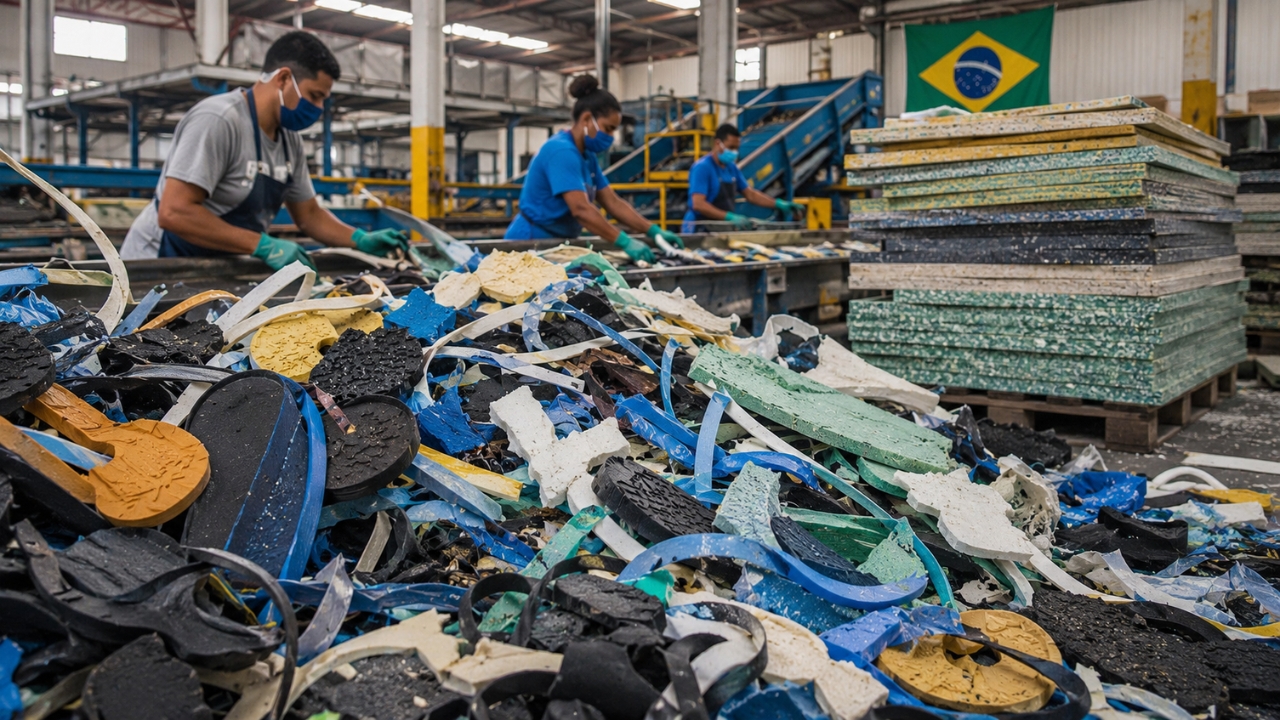
The industrial waste that even recyclers didn’t want has gained value in the interior of Bahia: two entrepreneurs invested R$ 2.8 million to transform 350 tons per year of foam, rubber, and plastic into boards that can replace wood and MDF.

-
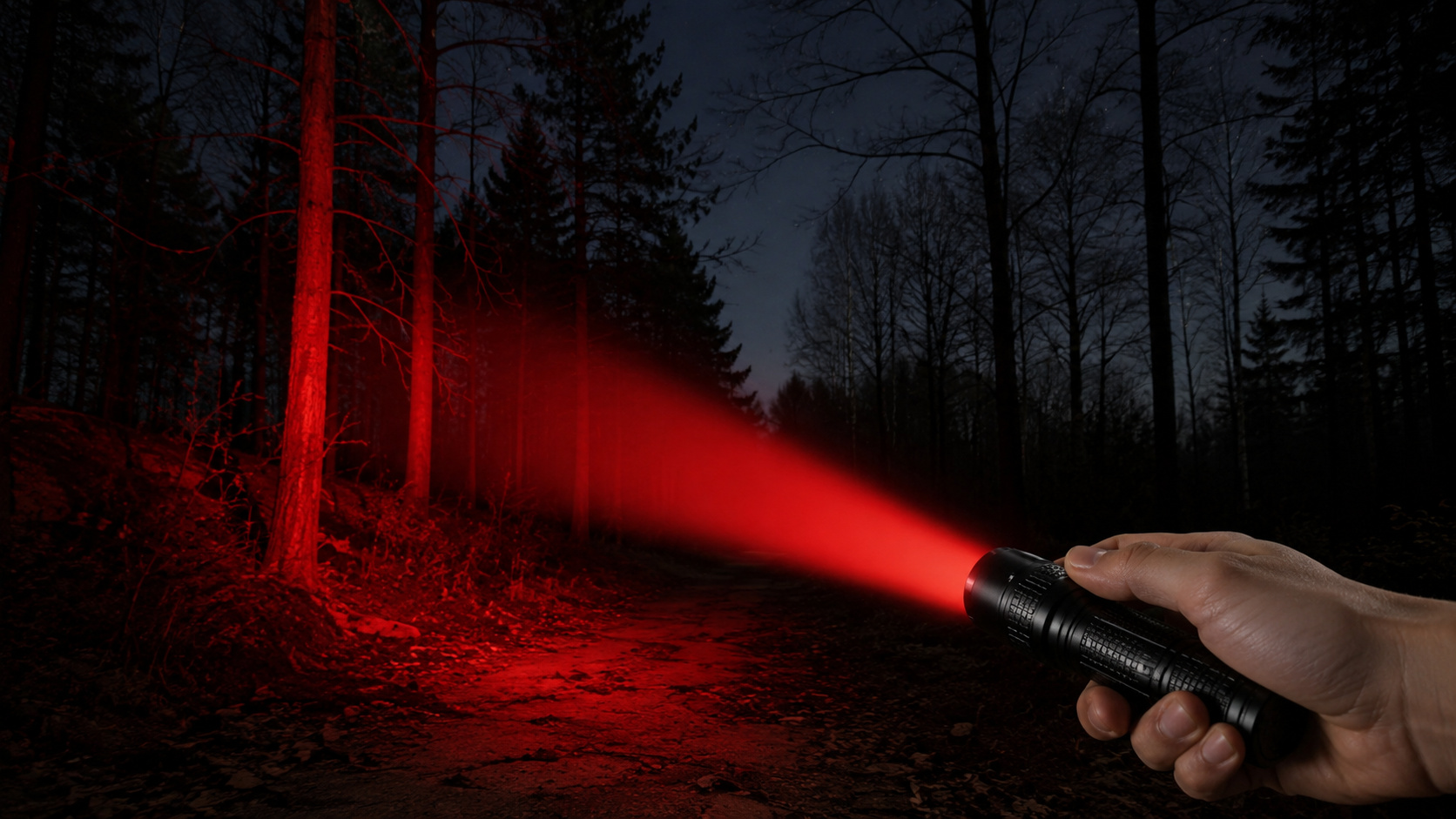
What is a red flashlight used for, after all? See why it is so commonly used at night.

-
He has never read a line of code, but he already knows how to work: the French company UMA presented in Paris the Northstar, its first AI-powered humanoid robot designed for factories and warehouses, capable of copying tasks just by observing an employee in action.


The concept consists of launching reflective particles into the troposphere, creating a kind of shield to reduce the incoming sunlight.
Although it sounds like something out of a science fiction book, the topic has been taken seriously in research centers around the world.
Professor V. Faye McNeill, atmospheric chemist and aerosol scientist at Columbia University’s School of Climate and Engineering, warns that the results of this technique can be unpredictable.
“There are a number of things that could happen if you try to do this — and we are arguing that the range of possible outcomes is much broader than anyone had imagined until now,” she said.
Challenges and Risks of the Method
The study, published in the journal Scientific Reports, details the physical, economic, and political challenges that make SAI more complex than it seems.
The location, altitude, amount of particles, and even the time of year when they would be launched directly interfere with the results.
McNeill also notes that an experiment of this scale would require international control, something difficult to ensure in the current geopolitical landscape.
Any failure in coordination could create severe climate imbalances in specific regions of the planet.
Additionally, there are concerning precedents. When Pinatubo erupted, the ecosystem of South Asia and India suffered strong impacts, with decreased rainfall and damage to the ozone layer.
Even under control, SAI could generate similar or even unknown effects.
Alternatives and Limitations
Scientists are evaluating the use of other substances to replace sulfate aerosols — which mimic compounds released by volcanoes — but face technical difficulties.
Materials such as diamonds, calcium carbonate, alumina, titanium, and zirconia have interesting properties, but are expensive or impossible to break into small enough particles to be dispersed in the atmosphere.
Climate economist Gernot Wagner from Columbia Business School summarizes the dilemma: “It all comes down to risk trade-offs when analyzing solar geoengineering. It’s not going to happen the way 99% of these papers model it.”
Reducing Sunlight: An Uncertain Solution
The proposal to cool the planet with aerosols still divides opinions. Although it offers a potential response to global warming, the associated environmental and social risks lead many scientists to advocate caution.
The theory, therefore, remains closer to the realm of ideas than to practice — a reminder that manipulating the Earth’s climate can have consequences that humanity is still not prepared to face.
With information from Xataka.