Portuguese
  Spanish


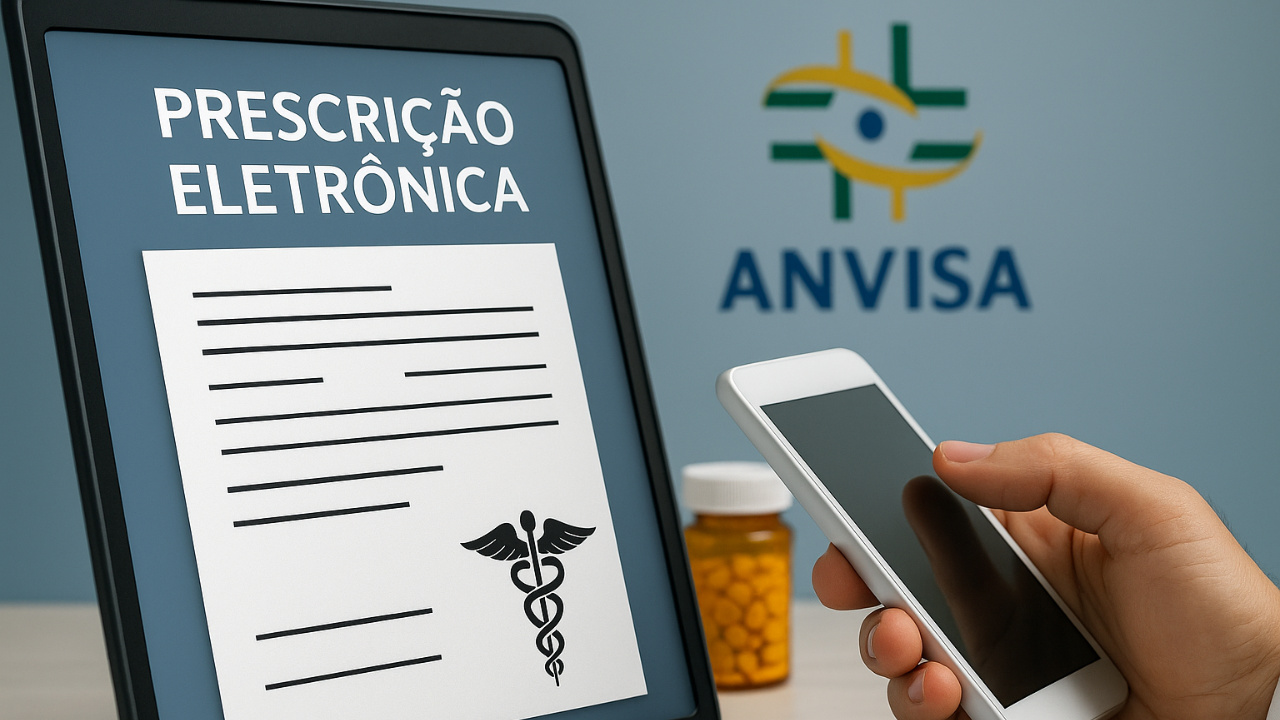

Anvisa Releases Electronic Prescription for Controlled Drugs and Advances Digitalization in Health with a Focus on Combating Fraud.
The Anvisa approved electronic prescription for controlled drugs, allowing this type of prescription to be issued digitally across the country.
The decision, made this Wednesday (10) by the Collegiate Board, will come into effect in 60 days and should be fully integrated into the health ecosystem by June 1, 2026.
The change occurs at the national level, involves doctors, patients, and pharmacies, and aims to modernize access, increase security, and strengthen the fight against fraud in the use of restricted drugs.
-
Brazil Approves Proposal to Cap Vehicle Tax at 1% of Car Value

-
Brazilian Senate Approves Bill to Automate Child Support Payments Directly from Debtors’ Accounts

-
Brazilian Congress Advances Bill to Ensure Full Pension Benefits for Families Receiving Reduced INSS Death Benefits
-
Unusual Traffic Signs in Brazil: Wheelbarrow Ban, Crosswind Warning, and Customs Stop


The novelty alters the traditional dispensing flow, but the system will maintain the physical model.
According to the agency, the unique use of the new digital prescriptions prevents reuse and counterfeiting that have historically posed risks to the population.
Anvisa Bets on Digitalization in Health to Modernize Care
The approval of the electronic prescription was unanimous and reflects, according to the agency’s director-president, a structural advancement.
“This approval is relevant for a more modern, digital, and interoperable health system for our country.
We are building a regulatory ecosystem that engages with innovation and positions Brazil at the forefront of digital transformation in health,” said Leandro Safatle.
In the same vein, the director and rapporteur of the proposal, Rômison Rodrigues Mota, emphasized that the measure strengthens the monitoring of prescriptions and controlled drugs, considered to be of higher sensitivity.
For him, the new rule directly contributes to reducing diversions: “This issue of high relevance and social impact demanded rapid adaptation in the search for innovative solutions”, he highlighted.
The director Daniela Marreco acknowledged that the change increases access and reduces documents susceptible to counterfeiting.
However, she emphasized the need for strong regulatory oversight in the initial implementation phase.
Why Electronic Prescription Became Essential
The digitalization in health had already been consolidating since the pandemic, when Law No. 14,063/2020 authorized digital prescriptions for most medications.
However, controlled drugs remained restricted to the physical model, with differentiated pads by color — yellow for narcotics, blue for psychotropics, and white for systemic retinoids and immunosuppressants.
These substances have a direct effect on the central nervous system, potentially altering mood, perception, and behavior.
Thus, they were more vulnerable to counterfeiting, loss, and damage, which could hinder patient access to treatment.
The expansion of telemedicine, coupled with emergency situations — such as the temporary authorization given to Rio Grande do Sul after the floods of 2024 — intensified the debate on the need for regulatory updates.
Reinforced Security and Combating Fraud
One of the biggest challenges of the physical model has always been the counterfeiting of prescriptions for the illegal acquisition of medications. Thus, digital transformation represents a milestone for the safety of the system.
“It’s not about digitalizing for the sake of digitalizing.
There is an impact. We are talking about controlled substances. A person with panic syndrome had to leave home to get that little piece of paper to buy medication that helps them cope with the syndrome.
It is a very significant moment of change. We are making health more accessible,” explained Gabriel Couto, the technology director at Memed.
The digitalization also makes the monitoring of the pharmaceutical journey more structured.
For lawyer Ariel Uarian, from the Digital Innovation Movement, technological integration enhances information control and reduces fraud.
“When well-regulated, it is a safe, sustainable path aligned with best international practices”, he assessed.
How the New System Will Work
With the new rule, the prescriber will be responsible for authenticating and correctly filling in all information in the official system.
Thus, pharmacies will need to store the records of the use of electronic prescriptions and make them available for inspections.
After dispensing, the system will generate a PDF receipt as an official document.
Couto emphasizes that the next step is to prepare the market: integrate systems, train professionals, and clarify doubts.
“There is this educational role we need to undertake so that the doctor knows how to issue, the patient knows how to receive, and the pharmacists know how to dispense”, he stated.
The New Phase of Digitalization in Health in Brazil
With electronic prescription officially established, the country is entering a more advanced stage of digitalization in health, uniting technology, security, transparency, and effective control over controlled drugs.
Thus, the expectation is that the new model will reduce fraud, increase traceability, and facilitate access for millions of Brazilians to essential treatments.