






 Portuguese
  Spanish


A chip the size of a grain of rice, encapsulated in biocompatible glass and implanted between the thumb and index finger, already allows contactless payment, unlocking doors, starting vehicles, and storing emergency medical information. According to the portal Correio Braziliense, the implant kits cost between R$ 200 and R$ 800, and the installation is done with a special syringe in a procedure similar to a piercing. Sweden leads the adoption with thousands of users, and the NFC technology used in the devices is the same as contactless card payments.
The subcutaneous chip has moved from science fiction to consumer product. Thousands of people, mainly in Sweden, already carry under their skin a device the size of a grain of rice that replaces credit cards, house keys, office badges, and even business cards. The chip works with NFC technology, the same used in contactless payments with cards and phones, and is activated only when it approaches a compatible reader at a distance of 4 to 6 centimeters. The device does not have a battery: the energy needed to transmit data is provided by the reader itself at the moment of approach.
Access to the technology is simpler and cheaper than most people imagine. Chip implant kits are available online with prices ranging from R$ 200 to R$ 800, including the device, special syringe, and usage instructions. The installation should be performed by a qualified professional, such as specialized piercers or healthcare professionals, and the procedure takes a few minutes, with discomfort comparable to applying a conventional piercing. The chip is inserted in the area between the thumb and index finger, where it remains invisible and accessible for daily use.
What the implanted chip does in practice

The applications of the subcutaneous chip are varied and focused on eliminating objects that people carry every day. The most popular function is contactless payment: the chip can be configured to work as a credit or debit card on any machine that accepts NFC, simply by waving the hand over the terminal to complete the transaction.
-
Forgotten Map Leads Diver to Shipwreck with Gold, Rare Jewels, and Secrets Hidden for Nearly 350 Years

-
Furong: The 2,000-Year-Old Chinese City Built on a 60-Meter Waterfall Becomes a Global Tourist Phenomenon

-
YouTube Inventor Dubbed “Real-Life Tony Stark” Builds Robotic Legs for Father’s Day, Creating a Wheelchair That Conquers Stairs and Rough Terrain
-
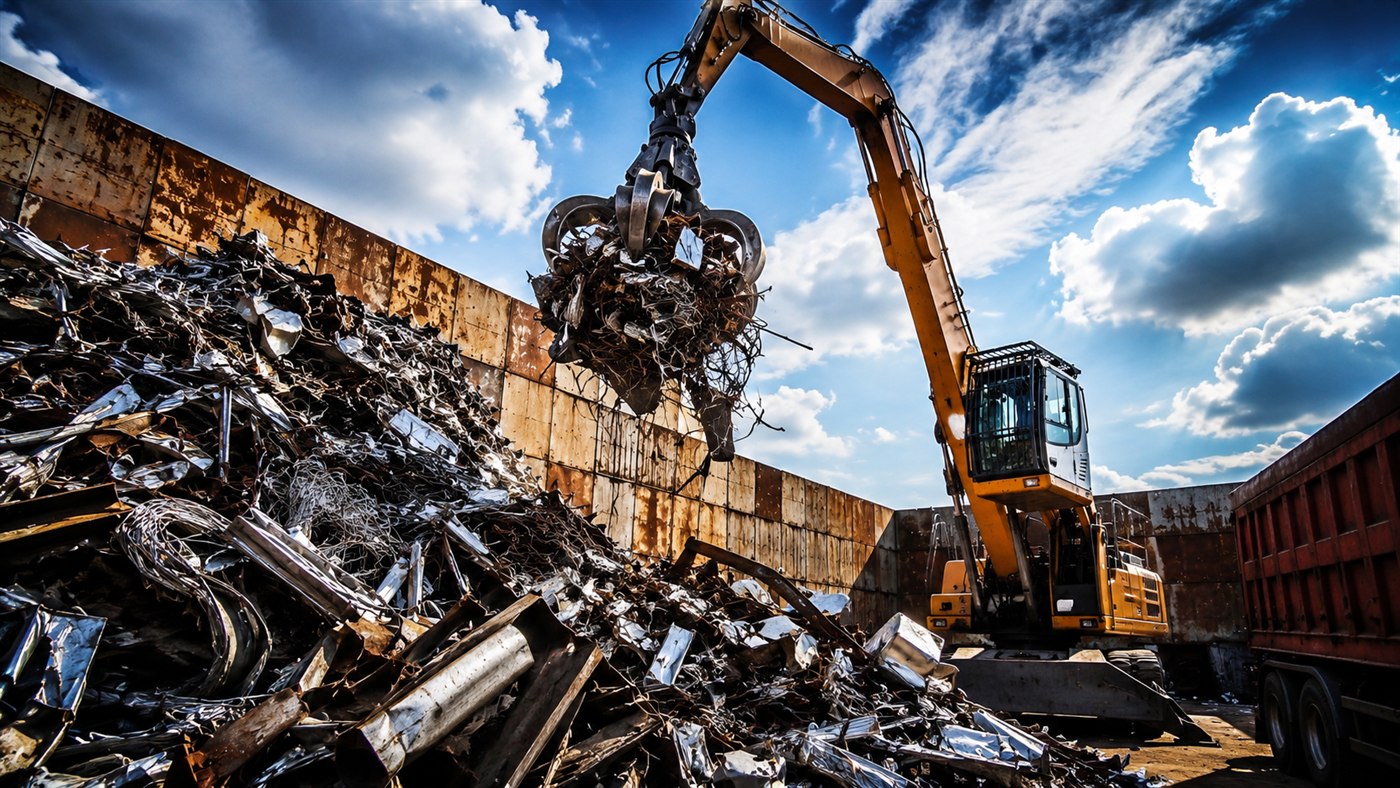
Brazilian Scrap Dealer Processes 3,000 Tons of Ferrous Scrap Monthly, Paying $0.09 to $0.70 per Pound, Reveals Why a Hidden Cylinder Costs 1,500 kg Discount




Access control is another established application. Companies in Sweden have already replaced badges with implants, allowing employees to open doors, access turnstiles, and make payments on internal machines with a gesture of the hand. Homes equipped with smart locks compatible with NFC can also be unlocked by the chip, eliminating the need for physical keys. Some users configure the device to start vehicles that have proximity ignition.
The chip that can save lives in emergencies
One of the lesser-known but potentially most valuable applications is the storage of emergency medical information. The chip can contain data such as blood type, drug allergies, chronic conditions, and emergency contacts, which responders can access by bringing an NFC reader close to the patient’s hand.
In emergency situations where the person is unconscious or unable to communicate, this information can make the difference between appropriate treatment and a medical error. The chip functions as a portable medical record that the patient never forgets and never loses because it is literally inside the body. Hospitals in European countries are beginning to recognize the possibility of reading health data stored in NFC implants as part of emergency care protocol.
The risks that no one should ignore
The implantation of a subcutaneous chip is not without risks. From a digital security standpoint, there is the possibility that the data stored on the chip could be read or cloned by malicious individuals with portable NFC readers, although the extreme proximity required for reading, between 4 and 6 centimeters, significantly reduces this threat. Data encryption is a crucial factor in ensuring protection.
From a health standpoint, concerns include infection at the implant site and rejection of the device by the body. Interference with medical equipment, such as MRI machines, is a theoretical concern: most modern NFC devices are considered safe for these exams, but informing the doctor about the chip before any procedure is mandatory. Another point of attention is technological obsolescence: it is estimated that the chip will become outdated in 5 to 10 years, requiring a new procedure for removal or replacement.
Sweden that turned the chip into routine
Sweden is the country where the adoption of subcutaneous implants has advanced most rapidly. Thousands of Swedes already use the chip to access offices, gyms, public transport, make payments in stores, and even to share digital business cards by bringing their hand close to a smartphone. The Swedish culture of trust in technology and digital public systems has created an environment where implanting a chip is seen as a natural extension of the digitalization of everyday life.
The Swedish company Biohax International was one of the pioneers in providing NFC implants for civilian use, and other European companies followed the model. In Brazil, the chip is still a niche restricted to technology enthusiasts and information security professionals, but the availability of online kits and affordable cost indicate that the entry barrier is more cultural than financial.
Would you implant a chip in your hand to no longer need to carry a wallet, keys, and ID badge? What concerns you the most: data security, obsolescence in 5 years, or the idea of having an electronic device inside your body? Share in the comments.





NO WAY, NOT EVER! DOING SO IS BEYOND STUPID!