






 Portuguese
  Spanish


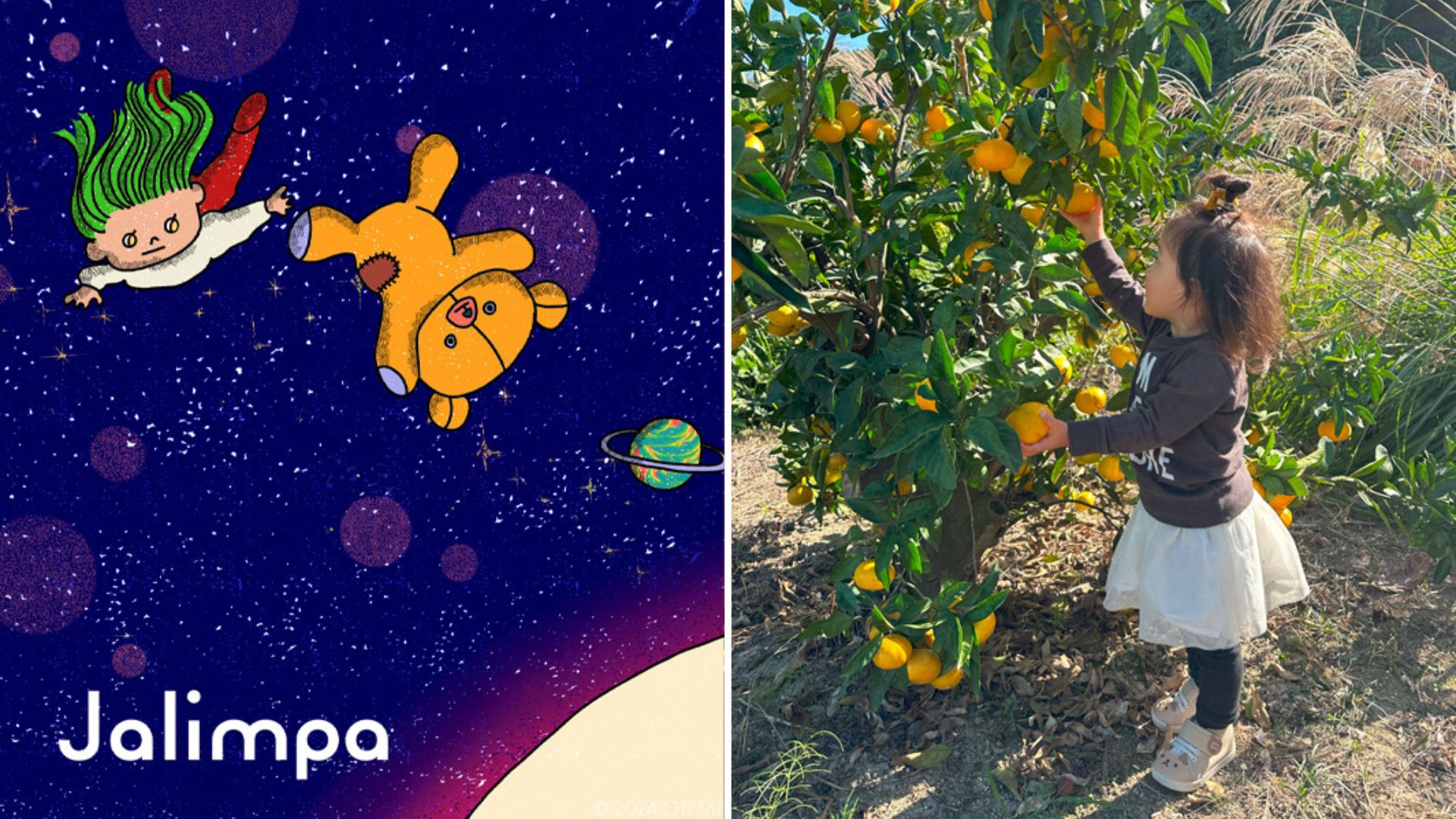


Musical Release at 2 Years Old Puts Japanese Artist in the Guinness World Records with Album in “Space Language” Distributed Globally and Reignites Discussions About Child Exposure on Digital Platforms.
A Japanese singer 2 years and 358 days old has entered the Guinness World Records by releasing a full album as a solo artist, featuring 10 tracks sung in a so-called “space language” and distributed on global services such as Spotify and Apple Music.
Identified by Guinness as Lynn “Jalimpa” Takei, the artist had the album “Nonsense makes Sense” recognized in the category of youngest person to release a disc as a solo artist in the female classification, with the record linked to Japan.
The release, according to the organization, took place in Yamaguchi and gained international reach by being available on streaming platforms used by audiences in different countries, which took the case beyond a local curiosity.
-
Brazilians in Portugal Face Increased Police Checks as Consulate Advises Carrying Documents; Long-term Resident and Tourist Report Heightened Scrutiny in Porto.

-
Russia Proposes Bold Energy Transition Plan at BRICS, Citing $8 Trillion Annual Cost for 2050 Global Target
-
$142 Million Bridge Funded by Brazil Only Used by Empty Trucks at Night, While 43,000 Vehicles Face 2-Hour Queues and Annual Losses Could Reach $600 Million at the Border.
-
Man Crafts $10,000 Hammer with 24-Karat Gold and Diamonds



In addition to the age milestone, the episode reignited recurring discussions about how young children are presented to the public in digital environments, especially when exposure connects to strategies of distribution, promotion, and consumption on a global scale.
Guinness World Records and the Youngest Solo Artist Record
According to Guinness World Records, the record was granted to Jalimpa based on an objective criterion: the age at which an album credited to a single artist was officially released and placed in circulation on the digital market.
In the certification, the entity indicates that Lynn Takei was born on May 31, 2021 and that the album was released on May 23, 2024, which places the mark in the “2 years and 358 days” range.
Although public debate focuses on talent, creativity, and spontaneity, Guinness does not conduct clinical or pedagogical assessments of child development, limiting itself to confirming the event and its compliance with the category.

It also draws attention to the choice of a gender cut, something that the organization uses in some categories to standardize comparisons while maintaining separate categories when it considers that doing so facilitates validation among similar records.
Album “Nonsense Makes Sense” on Streaming Platforms
On the platforms, “Nonsense Makes Sense” appears as an album with 10 songs and a total duration close to half an hour, a format consistent with structured releases, with a closed repertoire, defined sequence, and presentation similar to other albums.
Instead of lyrics in Japanese, English, or another recognizable language, the publicity associated with the project describes the tracks as interpreted in “cosmic language” or “space language,” terms translated and popularized as “space language.”
The proposal, according to the narrative of the project itself, is to record vocalizations and melodies that do not follow a conventional language, utilizing sounds, rhythms, and intonations that usually arise before speech stabilizes in childhood.
On the other hand, the existence of a ready cultural product, with cover, catalog, and simultaneous availability on various platforms, indicates an organized production process, with recording and distribution stages typical of the music industry.
Space Language and Pre-Linguistic Expression in Childhood
The label “space language” serves as an easy description to repeat and share, as well as creating an element of curiosity that helps explain why the case circulates in different countries even among people who do not follow experimental music.

In the explanation associated with the record, the presentation of singing is linked to the notion of pre-linguistic expression, a period in which young children are still forming language, but are already exploring sounds and rhythmic patterns.
In this framing, vocalization is no longer treated as everyday babble and is presented as an aesthetic proposal, with the album positioned as alternative music and with the promise of a sound “from another dimension.”
Meanwhile, the audience tends to react immediately for two cumulative reasons: the extremely young age and the impression that something typical of child development has been transformed into a work distributed on a global scale.
Even without relying on live performances, circulation on streaming allows excerpts to be captured, reposted, and reinterpreted in different contexts, expanding the reach of the case without the need for a traditional show circuit.
Child Exposure and Debate About Limits on Digital Platforms
When Guinness records a title, the feat exists as a measurable landmark, with a name, category, and parameters that fit into a sentence, a characteristic that often accelerates circulation on social media and in discovery content.
This helps explain why stories of precocity gain another dimension when they receive an institutional seal, as validation serves as a narrative shortcut to transforming a particular event into a worldwide reference.
However, the same endorsement can create additional expectations, such as interest in new music, invitations for public appearances, and demand for continuous content, elements that tend to grow when the story makes headlines outside the country.

In addition, the digital environment has a long memory: covers, interviews, videos, and audio clips can remain accessible for years, which often fuels concerns about digital traces created when the child still lacks autonomy.
The response to Jalimpa touches on a known tension between encouragement and protection, as the public perceives, at the same time, an unusual creative expression and the inevitable presence of adults in mediating a project of this scale.
Part of the attention focuses on the artistic dimension of the experiment, highlighting the unusual nature of the repertoire and the curiosity of listening to an album built without words but with musical intention and identity of release.
Another portion of the debate questions how the line is established between documenting a moment of childhood and transforming it into a cultural product of permanent circulation, especially when distribution occurs on platforms that facilitate global reach.
In such situations, the discussion often extends beyond music and shifts to issues such as privacy, image use, indirect monetization, and the impact of external expectations on a phase marked by rapid changes in development.
Without attributing motivations or conclusions, the case illustrates how records and viralization often go hand in hand, and how curiosity about child prodigies can convert into pressure for continuous performance in a market attentive to novelties.
With Jalimpa’s story circulating as a record and as a cultural curiosity, what is the balance point between celebrating a rare artistic expression and preserving a child’s right to grow away from permanent public demands?


