






 Portuguese
  Spanish


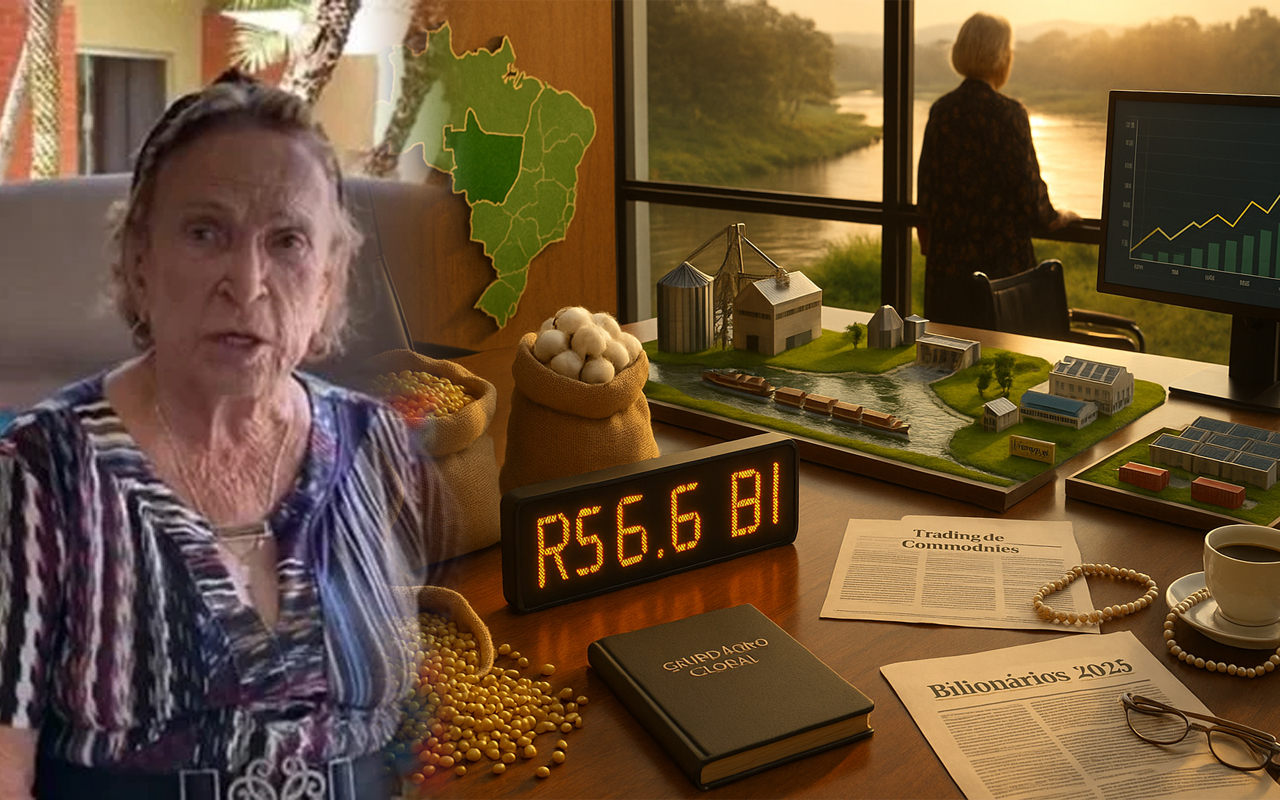
The Matriarch of AMAGGI, Lúcia Borges Maggi, Appears on Forbes Brazil 2025 List Among the Richest Women in the Country, with R$ 6.6 Billion. Understand the Trajectory, Businesses, and Social Legacy Behind the Businesswoman.
The new billionaire list released by Forbes Brazil on August 28, 2025, reaffirms Lúcia Maggi at the top among women with self-made wealth built in agribusiness. According to the publication, her fortune is estimated at R$ 6.6 billion, with the “self-made” label, a category reserved for those who did not inherit their wealth.
The businesswoman is 93 years old, was born on July 20, 1932, and has consolidated a reputation as a strategic leader who operates discreetly, validating significant decisions of the family group. Public profiles, such as the Forbes global page, also indicate Rondonópolis as her city of residence, reinforcing her roots in the Midwest.
Lúcia’s presence on the 2025 ranking aligns with a moment of prominence for Brazilian agribusiness in productivity, exports, and market diversification. Economics vehicles that featured the list highlight the strength of the country’s billionaires and help to contextualize the ranking update in 2025.
-
Coca-Cola Shuts Down 100-Year-Old Factory in the U.S., Impacting 85 Workers and Shaking Local Community with Historic Consequences

-
Bianca Andrade Invests $30 Million of Her Own Money in Boca Rosa, Launches Over 100 Products in a Year, Aiming for $400 Million by 2026
-
Belo Horizonte Becomes First Brazilian City to Fund Housing, Utilities for 100 Homeless Families with $900,000 Initiative
-
Brazilian Joins Homeownership Consortium, Faces Decade of Dual Payments Totaling $141,000, Surpassing Traditional Mortgage


From Paraná to Mato Grosso and the Creation of AMAGGI
Lúcia Maggi’s business story began in 1977 with the opening of Sementes Maggi in São Miguel do Iguaçu, Paraná. The next step came in 1979, when the family started operations in Mato Grosso by acquiring a farm in Itiquira, a move that would be decisive for the expansion into the Midwest.
The move consolidated the agricultural vocation and long-term vision. Within a few years, the brand evolved into AMAGGI, expanding from farming to marketing and, later, to transportation logistics. The territorial presence spread across strategic routes and key agribusiness states.
Following the death of André Maggi in 2001, Lúcia assumed an even more significant role in governance, maintaining a reserved profile and prioritizing results. The company continued to professionalize management and, over time, strengthened internationalization and business diversification.
What AMAGGI Does Today: Grains, Logistics, and Renewable Energy
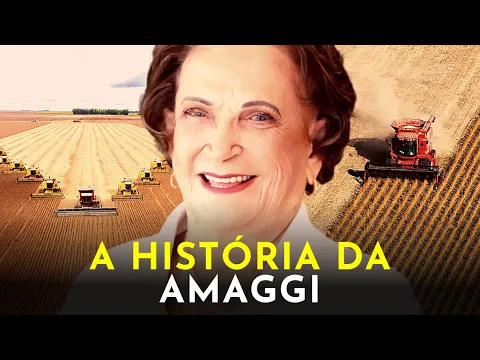

AMAGGI integrates the supply chain from end to end. In agriculture, it cultivates soybeans, corn, and cotton on a large scale. In global trade, it operates grain and fiber origination and trading. The institutional website highlights an annual volume of 18 million tons traded and 1.2 million tons produced on farms in Brazil, numbers that help gauge the group’s size. AMAGGI is, therefore, a key term for understanding the machinery of Brazilian agribusiness.
Logistics is a competitive differentiator. The so-called Madeira–Amazon Corridor connects barges that leave Porto Velho to Itacoatiara in Amazonas, where the company operates its own terminal. The infrastructure includes terminals, warehouses, and river and road fleets, allowing for economies of scale and predictability in logistics.
Another pillar is renewable energy. The company has been investing in small hydroelectric plants (PCHs) in Mato Grosso since the 1990s and expanded initiatives in clean generation, with hydro and solar assets recorded in corporate reports and public documentation about the group’s trajectory. Diversification reduces costs, mitigates operational risks, and strengthens the ESG agenda.
Discretion, Roots, and Social Legacy of Lúcia Borges Maggi
Despite the size of the empire, Lúcia maintains a discreet life in Rondonópolis, something noted in reference profiles that matches the image of a silent leader. This posture helps preserve focus on management and deliverables, without excessive exposure.
The bond with Sapezal is also strong. In February 2024, the city hall celebrated the reopening of Praça Dona Lúcia Borges Maggi, an event covered by local media and official channels, symbolizing the community’s recognition of the family’s trajectory in the municipality.
On the social front, the André and Lúcia Maggi Foundation (FALM) has existed since 1997 and is responsible for managing the group’s Private Social Investment. The institution maintains projects in education, health, and community development in the regions where the company operates, focusing on local leadership and long-term impact.
Importance for Agribusiness and Women’s Leadership
The case of Lúcia Maggi sheds light on the discussion regarding women’s leadership in agribusiness. In 2025, Forbes Brazil itself draws attention to the scarcity of women classified as self-made at the top of the list. Having a 93-year-old businesswoman among the country’s greatest fortunes, with wealth built in the sector, is a powerful portrait of perseverance and strategic vision.
In economic terms, companies like AMAGGI are key players for Brazil’s external competitiveness, as they combine production, marketing, and logistics with investments in renewable energy. This arrangement illustrates how agribusiness conglomerates have a direct impact on the trade balance, employment, and integration of production chains.
Looking ahead, challenges include succession, sustainability goals, traceability, and logistical efficiency in a scenario of greater environmental and regulatory demands. The group’s history of diversification and governance established over decades indicates capacity to adjust routes while maintaining competitiveness and social impact.





-

-

-

-

-

9 people reacted to this.