Portuguese
  Spanish


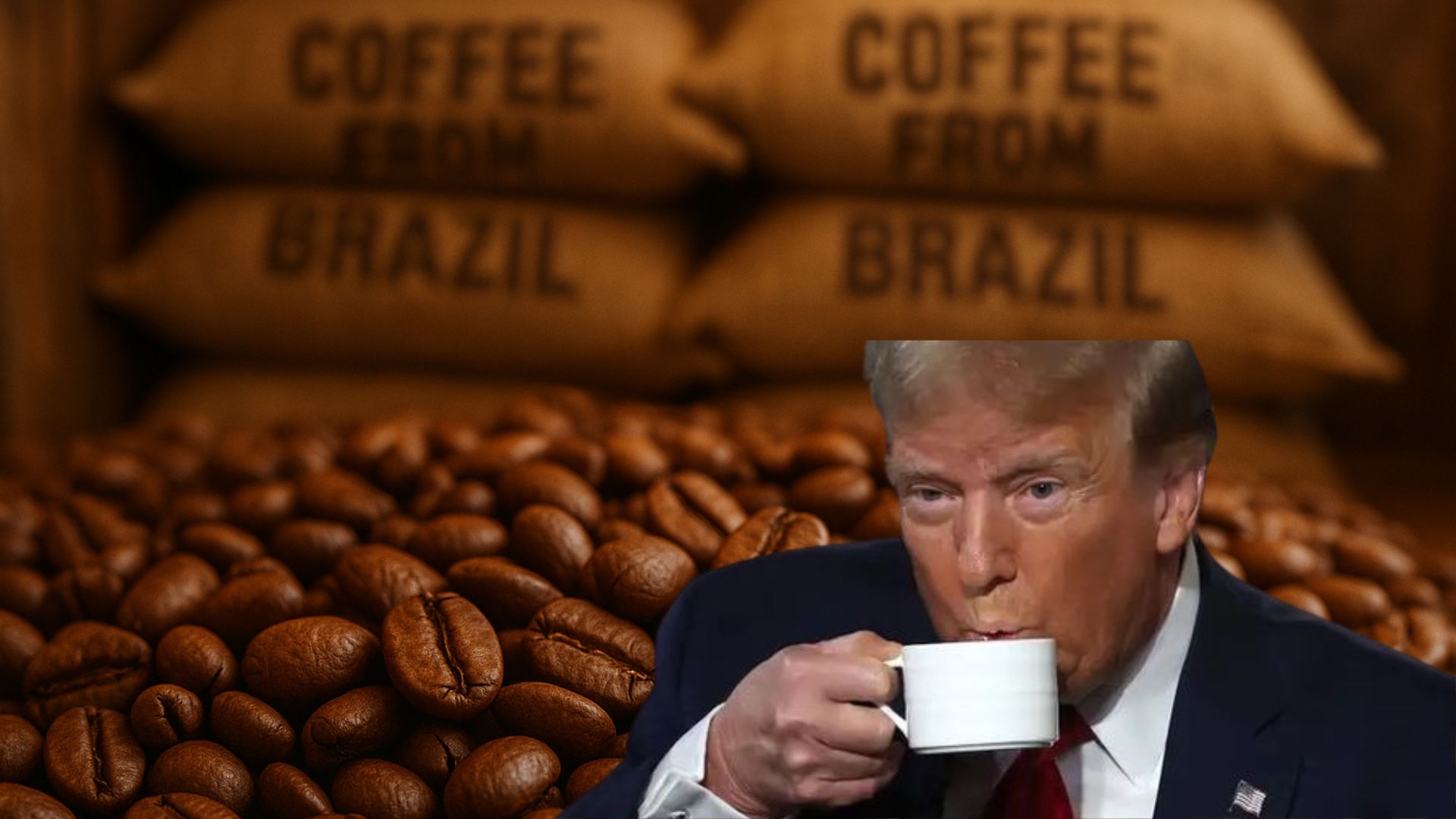

50% Surcharge Imposed by the U.S. Government Forces Redirecting Commerce and Places Germany as the Top Buyer of Brazilian Coffee
Brazil, the world’s largest coffee producer, saw a sharp decline in coffee exports to the United States in August 2025, following the 50% surcharge implemented by President Donald Trump. According to the Brazilian Coffee Exporters Council (Cecafé), shipments to the world’s largest economy fell 46.5% compared to the same period the previous year.
Before the tariffs, the U.S. accounted for almost one third of purchases of Brazilian green coffee, but the country lost its position as the top importer to Germany. The impact was immediate and forced exporters to seek new destinations.
While sales to the U.S. drastically decreased, Mexico and Colombia expanded their share in the market for Brazilian coffee, becoming unexpected protagonists in international coffee trade.
-
Former Mastercard VP Launches “Tinder” for Small Businesses, Aiming for 6,000 Deals Worth $420 Million by 2027

-
“MasterChef” Judge Expands Handcrafted Empanada Chain to 46 Stores, Aiming for $20 Million in Franchise Revenue

-
From a 12-square-meter room to leading a $4.8 billion fuel empire with over a thousand stations

-
El Niño Threatens Brazilian Food Production, Economists Predict Rising Prices for Coffee, Corn, and Rice


Mexico Takes Center Stage in Imports
Brazil’s exports to Mexico increased 90% in August compared to the same month in 2024, according to Cecafé’s report. This turnaround has transformed the neighboring country, governed by Claudia Sheinbaum, into the third largest destination for Brazilian coffee, a position unprecedented until now.
The change coincides with a visit from a Brazilian delegation to Mexico last week, led by Vice President and Minister of Development, Industry, and Foreign Trade, Geraldo Alckmin. The mission aimed to strengthen trade partnerships and compensate for the losses recorded in the U.S.
In addition to Mexico, other markets are emerging as alternatives. Colombia, despite also being a major producer, increased its purchases of Brazilian coffee by more than six times during the period, recording the highest growth rate among all trading partners.
Colombia Grows and Germany Leads in Purchases
Colombia now appears as a candidate to replace Brazil in supplying premium arabica to the U.S., in light of the reconfiguration caused by Trump’s protectionist measures. For exporters, this change represents a strategic shift in the geopolitics of coffee.
According to Cecafé, Germany has taken the position of the primary importing market for Brazilian coffee, surpassing the U.S. after years of leadership. This information was published in outlets such as O Globo and confirmed in the exporters’ council report.
The reallocation of shipments demonstrates how the Brazilian coffee sector, essential to the trade balance, needed to adapt quickly to the new scenario imposed by U.S. tariffs.