






 Portuguese
  Spanish
  3 min of reading
  0 comments


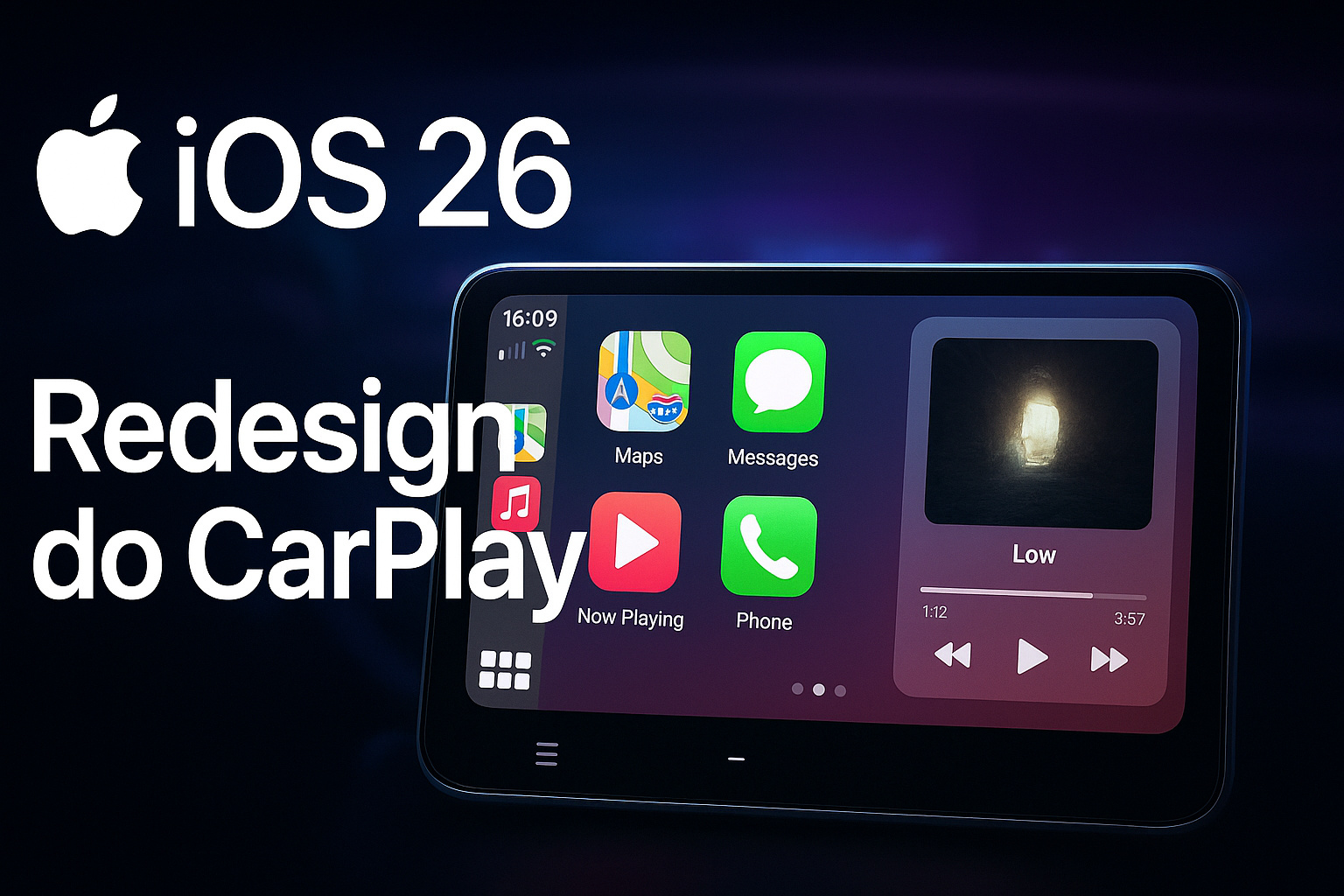
Apple Launched iOS 26 with the Biggest Update to CarPlay. Check Out the Innovations in Automotive Technology and Cost-Effectiveness.
Apple Launches iOS 26 with New Features for CarPlay
Apple launched iOS 26 on this Monday (9/15), which is already being considered one of the biggest packages of changes in recent years.
The company presented the new Liquid Glass design, updated apps like Apple Music, Maps, Wallet, and Messages, and also launched Apple Games.
The highlight, however, went to CarPlay, which received the biggest update in its history and solidified Apple’s role in the automotive technology.
-
Uber Faces Shareholder Scrutiny as Board Accused of Ignoring Safety, Compliance, and Harassment Warnings Amid Over 3,500 U.S. Lawsuits

-
Ferrari’s First Electric Car Divides Fans, Priced at $630,000, Amid Concerns Over Limited Editions; Brand Clarifies It’s Not Just for Future Perks
-
BYD Dolphin Mini: The Electric Car That Defies Depreciation, Losing Only 3.58% in a Year and Becoming the Best-Selling Retail Model Under $22,000

-
Electric Car JAC E-JS4 Loses $19,000 in Value in One Year, Leading Record Depreciation of Used Cars in Brazil Due to Expensive Battery and New Models


Apple Renews CarPlay with Design and Practicality
The company applied the new Liquid Glass look to CarPlay, which now features smooth edges, translucent effects, and a sense of depth. The goal is to deliver a premium experience similar to the most modern digital dashboards.
Additionally, Apple redesigned how drivers interact with the system. Banner notifications no longer interrupt music or maps, while the Live Activities feature displays sports scores, flight statuses, and deliveries in real-time.
This makes usability more intuitive and connectivity more powerful.
Music and Maps Gain Exclusive Features
Apple Maps now tracks places visited by the driver and learns the most frequently used routes through the Visited Places feature. Meanwhile, Apple Music received AutoMix, which creates automatic transitions between songs and ensures a smooth experience during trips.
These features offer more practicality and reinforce the cost-effectiveness of the system, as they eliminate the need for external solutions or additional subscriptions.
CarPlay Ultra Faces Rejection from Automakers
While traditional CarPlay impresses with improvements, the Ultra version faces resistance. Apple introduced the model in 2025 along with Aston Martin, but no other automaker has adopted it.
According to the Financial Times, Mercedes-Benz, Audi, Volvo, and Polestar have abandoned the project. Renault even requested that Apple “not invade their systems,” while Ford and Nissan declined to comment.
General Motors went further and removed CarPlay from its vehicles, preferring to develop its own alternatives. This rejection highlights Apple’s difficulty in gaining a foothold in cars.
Why Automakers Reject CarPlay Ultra
Automakers view vehicle screens as strategic sources of data and revenue. Therefore, relinquishing this control to a big tech company represents more risk than benefit.
Still, some brands have chosen to stay with Apple. Porsche, Hyundai, Kia, and Genesis remain committed to CarPlay, believing that drivers will push for greater connectivity in vehicles.
This clash reveals a battle between automotive tradition and digital innovation.
Apple Bets on CarPlay to Dominate Automotive Technology
With the launch of iOS 26, Apple reinforces its leadership position in automotive technology. The new CarPlay emerges as the most complete version ever created and establishes itself as a strategic piece in the future of connected cars.
Even with the rejection of the Ultra version, Apple bets on cost-effectiveness and user experience to win over drivers.
Thus, the Cupertino giant makes it clear that it does not intend to give up the race for total integration between iPhone and automobiles.





Be the first to react!