






 Portuguese
  Spanish
  3 min of reading
  5 comments




The FDA Considers Neuralink’s New Brain Chip an “Innovative Device” and a Major Advance in World Science!
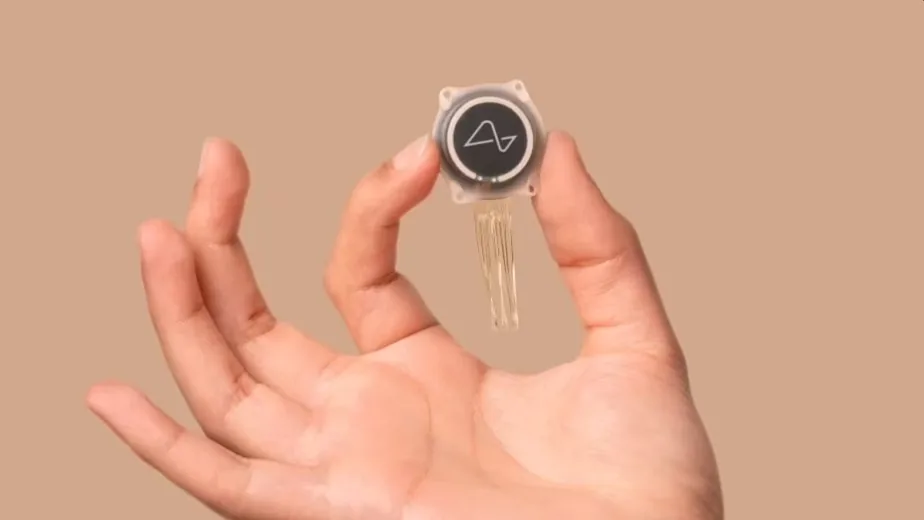
Neuralink, the company founded by Elon Musk, has taken another important step in its journey of developing neurotechnology. Recently, the FDA (Food and Drug Administration) approved the initiation of testing for a brain chip that promises, for the first time, to restore vision to blind individuals, including those born without sight. The device, considered a “revolutionary advance”, will be connected directly to the brain, specifically the visual cortex, to project images and gradually help patients regain their ability to see. However, as Musk likes to make clear, “it won’t happen overnight,” according to ignbrasil.
How Does Neuralink’s Brain Chip Work?
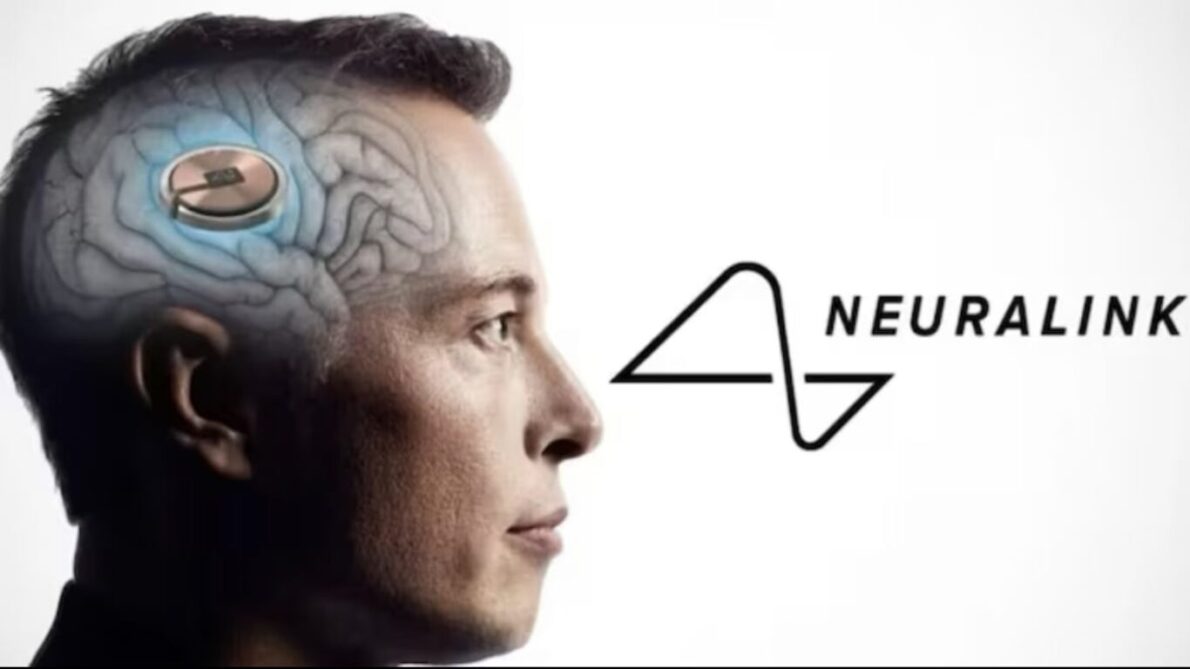
The project led by Elon Musk aims to restore vision through a completely innovative system. The brain chip will be implanted directly into the visual cortex, an area of the brain responsible for processing visual information. This means that even if a person has lost their sight due to an issue with the eyes or optic nerve, the brain could “see” again.
According to Musk, in its first version, the restored vision will be of low resolution, like those classic 80s video game graphics. “It’ll be like Atari graphics, but over time things will improve a lot“, said the CEO of Neuralink on his X (formerly Twitter) account. With technological advancements, the expectation is that the device will eventually provide vision as clear as natural sight, and even additional capabilities, like seeing infrared or ultraviolet.
-
The “Chinese invasion” has arrived: BYD already dominates almost 45% of the electric buses registered in Brazil in May 2026, while 80% of the entire electric fleet in the country is concentrated in São Paulo with 1,300 vehicles.

-
From toy to track machine: Koenigsegg Sadair’s Spear made with over 327,000 Lego pieces reaches 111 km/h and surpasses the former Bugatti Chiron record.

-
Deep-sea marine animal can go more than 5 years without eating, combining physical adaptations and genetic mechanisms to survive in environments with extreme food scarcity; meet the Bathynomus.

-
Science wants to know what football does to you: study gathers smartwatch data to understand the real impact of World Cup emotions on the human body



What We Already Know About Human Testing
Despite all the excitement, the device, which has been named Blindsight, has yet to undergo human testing. The FDA’s approval paves the way for this next phase, but a specific date for the start of testing has not yet been established. It is worth noting that while it is a significant step toward curing blindness, the technology is still in development and faces technical and ethical challenges.
In the meantime, Neuralink continues to work in other research areas to utilize its specific chips for various types of neurological conditions, such as helping people with paralysis control electronic devices with their minds. The future of human-machine interaction seems to be getting closer.
Challenges and Expectations: The Reality Behind Innovation
As promising as the project may be, there is still a long journey ahead. Like all emerging technologies, there are risks involved, both in the implantation process and in the long-term functioning of the device. Moreover, Musk himself admits that the “cure for blindness” has not yet been found. Nevertheless, Neuralink believes that its device can radically change the field of neuroscience and offer new hope to millions of people around the world.
Therefore, the idea of a brain chip restoring vision is no longer science fiction, but a real possibility that is increasingly closer to becoming accessible. If Neuralink can overcome the obstacles, we may be on the verge of a medical revolution. And as Musk has stated in the past, he loves turning the impossible into reality.


A princípio parece ser uma coisa boa. 😏 O problema é que deverá ser caro e certamente terá algum efeito colateral. Eu não usaria. Não gosto de coisas que mexam com DNA ou Cérebro. Tal qual certas picadas muitos se entregam facilmente a fábulas ou coisas potencialmente perigosas. Eu prefiro vírus e cegueira do que manipulações ou perigos desconhecidos. Por hora tudo bem comigo. Porém,espero não ser obrigada a experimentar e “ver”coisas muito futuras. 😬🤕🙋
Esse “dispositivo inovador”, é a verdadeira materialização de um milagre! Abençoadas mãos que protagonizam e aperfeiçoam essa dádiva!
Comento apenas que o texto parece ter sido traduzido por algum software, sem nenhuma revisão humana. Agora, se foi escrito por humanos, esses humanos precisam voltar às aulas básicas de Português. Tá bem ruim mesmo.