






 Portuguese
  Spanish
  4 min of reading
  0 comments


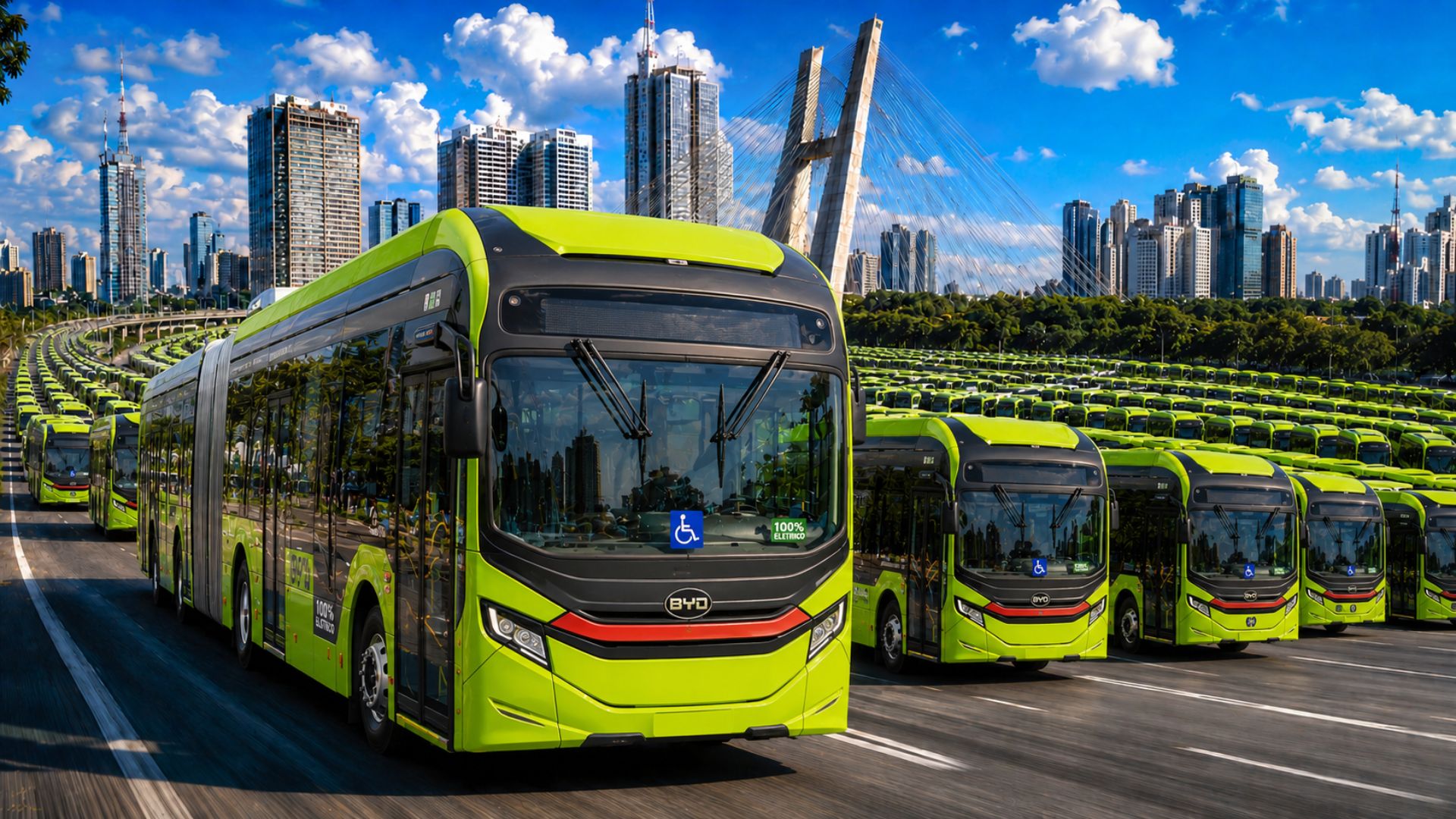
According to data from Fenabrave, May was the best month of 2026 for electric buses in Brazil, with 132 registrations, 59 of which were from BYD. Even so, the market is small: there were 311 units from January to May, and the national fleet remains concentrated in São Paulo.
The presence of China in the electric vehicle sector is advancing over Brazilian public transport, and BYD, one of the largest manufacturers of electrified vehicles in the world, already accounts for almost 45% of electric buses registered in Brazil in May 2026. The numbers are from Fenabrave and show that electrification, previously restricted to cars, is also beginning to gain weight in public transport.
The dominance of the Chinese manufacturer, however, coexists with a still modest market. According to Fenabrave, May was the best month of 2026 for electric buses in the country, with 132 registrations, of which 59 were from BYD, equivalent to a 44.7% share, almost one in every two registered in the period. Even with this advance, there were only 311 units from January to May, and the national fleet remains heavily concentrated in São Paulo.
BYD leads with almost 45% of registrations
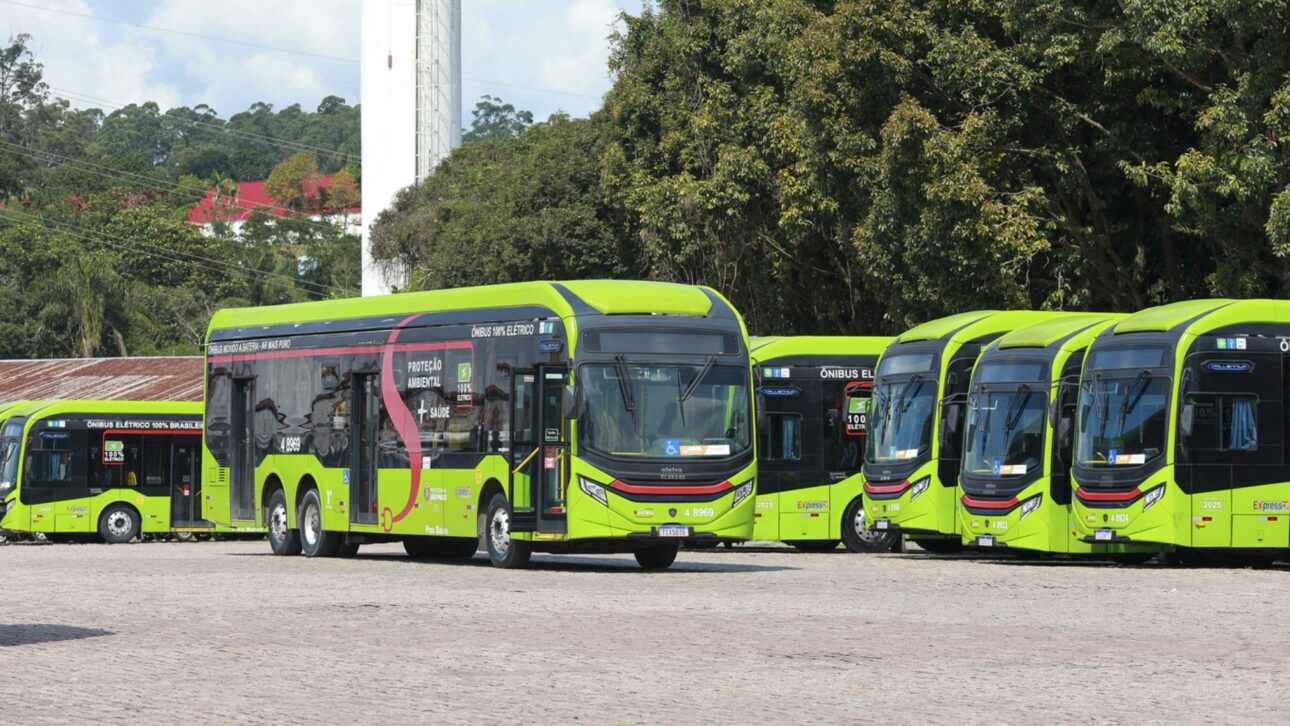
The best month of the year for the sector had the Chinese brand at the top. According to data from Fenabrave, May was the best period of 2026 for the Brazilian electric bus market, with 132 new registrations. Of these, 59 units were from BYD, equivalent to a 44.7% share, meaning almost one in every two electric buses registered in the country that month came from the manufacturer’s lines.
-
From toy to track machine: Koenigsegg Sadair’s Spear made with over 327,000 Lego pieces reaches 111 km/h and surpasses the former Bugatti Chiron record.

-
Deep-sea marine animal can go more than 5 years without eating, combining physical adaptations and genetic mechanisms to survive in environments with extreme food scarcity; meet the Bathynomus.

-
Science wants to know what football does to you: study gathers smartwatch data to understand the real impact of World Cup emotions on the human body
-
Lasers penetrate the dense forest of the Chocó Andino and reveal more than 200 mounds, 100 terraces, and ancient roads in just 600 hectares, suggesting a much larger pre-Hispanic landscape hidden near Quito.


The leadership did not emerge overnight. BYD had been expanding its presence in the segment for years, supplying chassis and complete vehicles to urban transport operators in different Brazilian cities. This history helps explain why the company came out ahead precisely in the market’s strongest month.
The Chinese presence in public transport
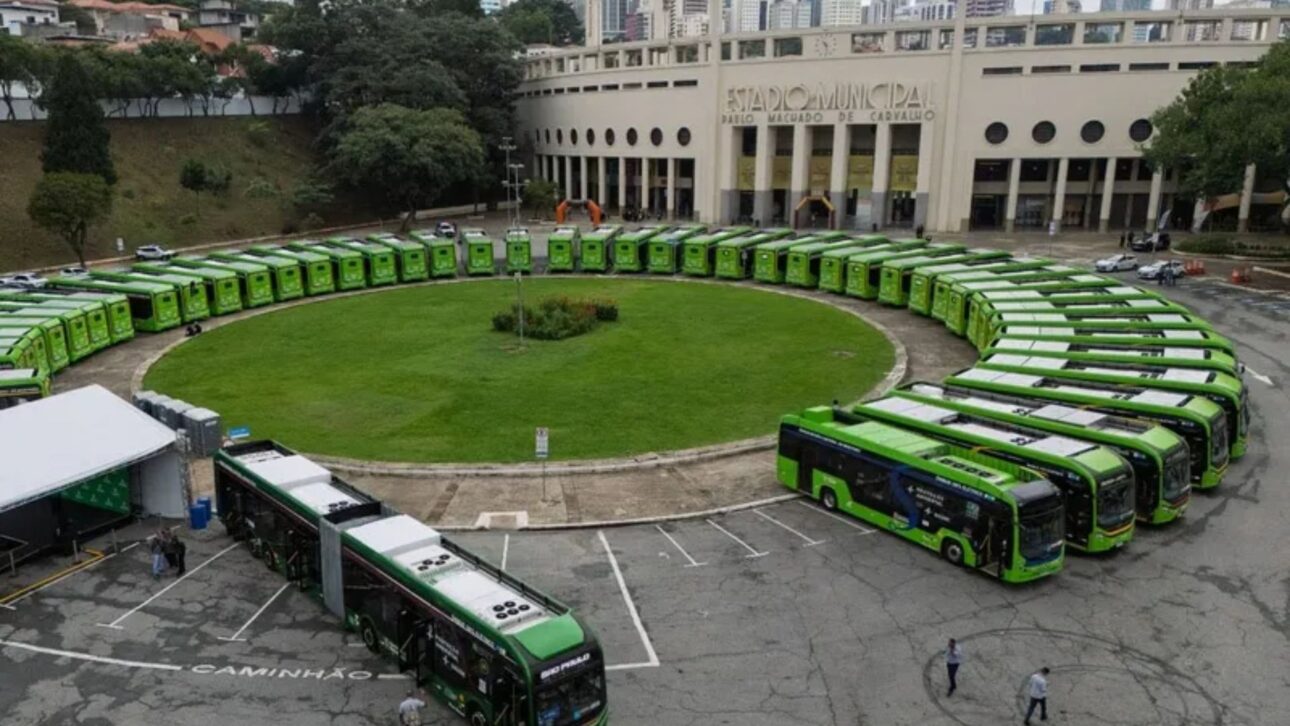
The movement repeats in buses what has already been seen in automobiles. Chinese electric cars have become common on Brazilian streets, and now the same transformation is advancing on public transportation, in what the sector has called the “Chinese invasion.”
At the center of this process is precisely the manufacturer leading the segment. BYD, one of the largest producers of electrified vehicles in the world, leads the electric bus market in the country, and the Chinese presence in the electrification of Brazilian transportation is, for now, heavily supported by this single brand.
A growing market, but still small
The numbers are growing, even from a low base. Between January and May 2026, Brazil registered 311 new electric buses, a growth of 12.3% compared to the same period the previous year, a sign that the segment is starting to gain traction, even with BYD concentrating a good part of the sales.
Even so, the volume is modest given the size of Brazilian public transportation. The data suggests an important change, with electrification no longer restricted to experimental projects and starting to gain commercial scale, but the absolute numbers remain small, and the leadership of the Chinese manufacturer occurs within a still limited market.
São Paulo concentrates 80% of the electric fleet
The expansion of electric buses in Brazil is still quite uneven. Currently, about 80% of the entire electric fleet in the country is concentrated in the city of São Paulo, which has approximately 1.3 thousand vehicles of this type in circulation, a weight that overshadows the progress of BYD and competitors in the rest of the territory.

The São Paulo capital drives this process through a combination of goals and rules. São Paulo has been investing for years in the gradual replacement of diesel-powered buses, driven by environmental goals and legislation requiring the reduction of public transport emissions. Outside the city, progress is happening at a slower pace, which helps explain why BYD’s gains are so tied to a few large markets.
With almost 45% of electric buses registered in May 2026, BYD reinforces the Chinese presence in the electrification of Brazilian public transport, according to data from Fenabrave, even with a still small market that is heavily concentrated in São Paulo, which holds about 80% of the national electric fleet.
The 311 buses registered from January to May, with an increase of 12.3%, indicate a segment that is beginning to leave the experimental phase, but the absolute numbers show that there is still a long way to go before electric buses become common throughout the country. For now, the so-called “Chinese invasion” in public transport advances led by BYD, albeit at an uneven pace.
And you, what do you think about BYD’s leadership in electric buses and the advance of the Chinese presence in Brazilian transport? Do you believe that electrification will spread beyond São Paulo in the coming years? Share your opinion and exchange ideas with other readers, respecting different views.





Be the first to react!