






 Portuguese
  Spanish


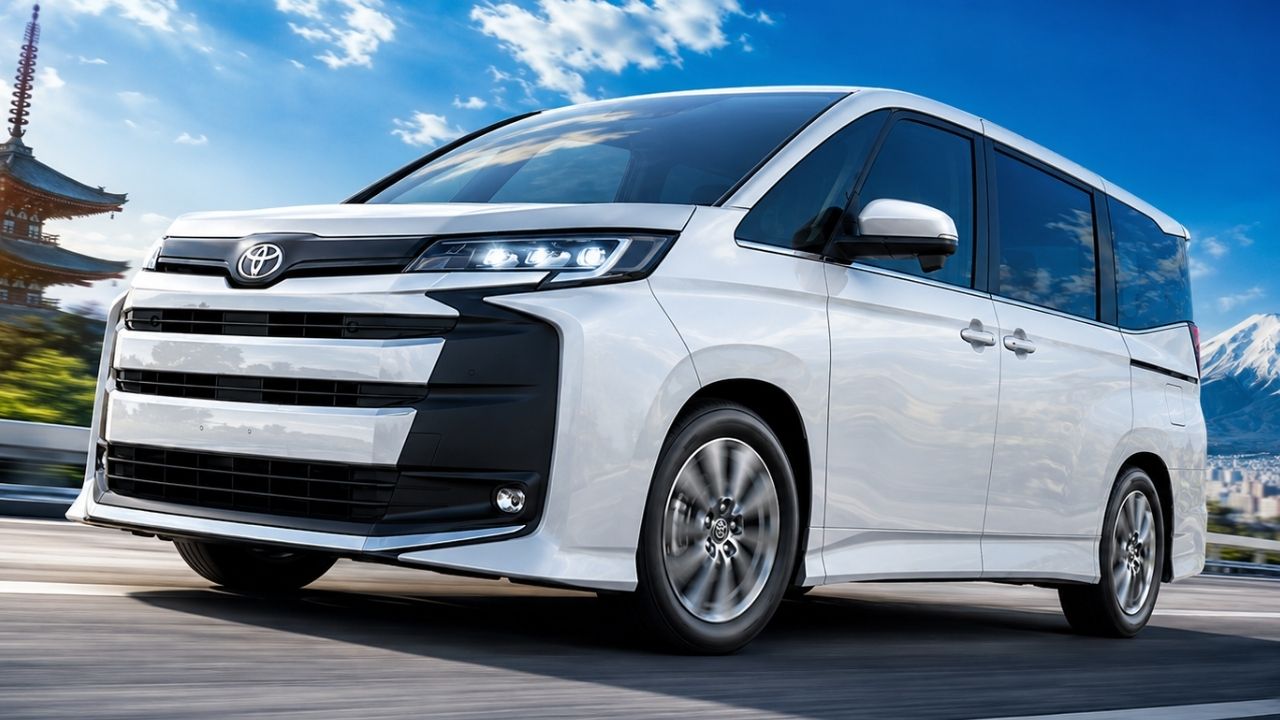


The Toyota Noah Hybrid 2026 is sold in Japan with a 1.8 hybrid engine, WLTC consumption of up to 23.8 km/l, and versions for 7 or 8 seats. The starting price of 3,261,500 yen becomes about R$ 104,000 in direct conversion, without Brazilian taxes or importation in the Japanese automotive scenario.
The Toyota Noah Hybrid 2026 is sold in Japan as a family minivan with a 1.8 hybrid engine, 7 or 8 seat versions, and consumption of up to 23.8 km/l in the WLTC cycle. The model appears in the brand’s official table with a starting price of 3,261,500 yen in the SX 2WD version.
According to the official Toyota Noah page in Japan, the manufacturer’s price table shows SX, SG, and SZ versions, with 2WD and E-Four options, always associated with the hybrid set with a 1.8L engine. In the direct conversion mentioned in the theme, the starting price is close to R$ 104,000, without considering taxes, importation, adaptation, or potential official sale in Brazil.
Toyota bets on hybrid family minivan in Japan
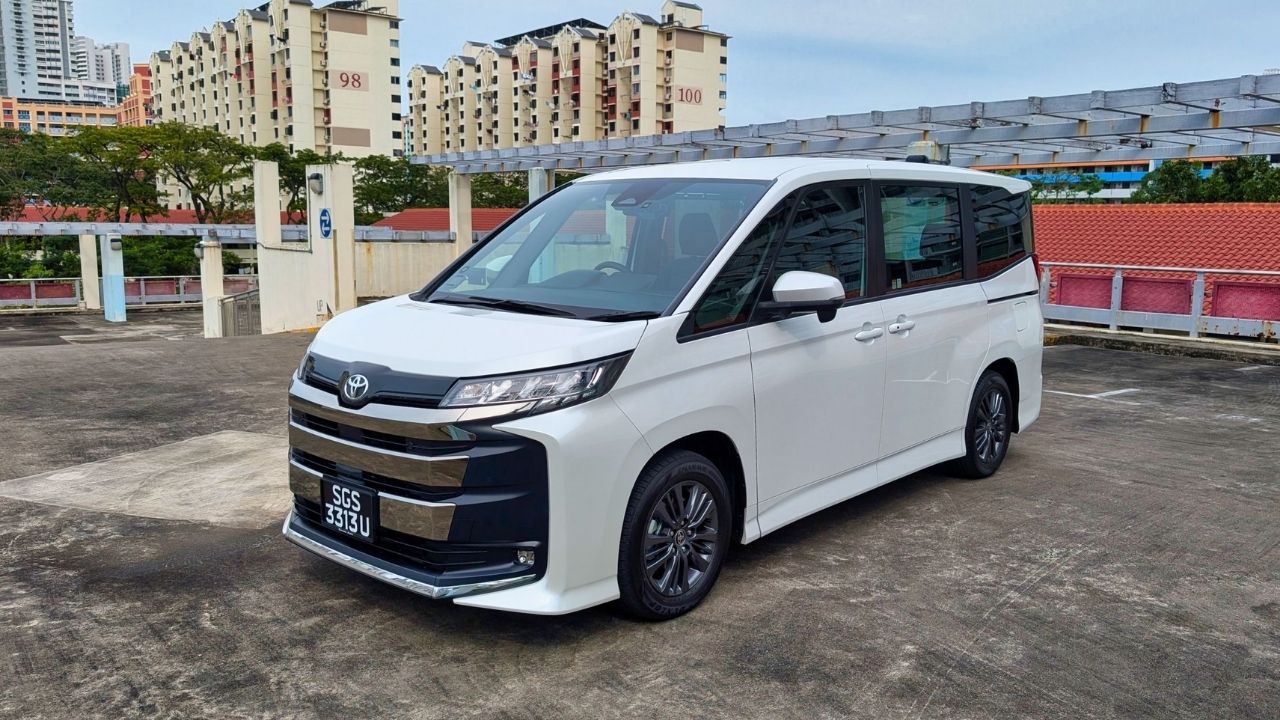
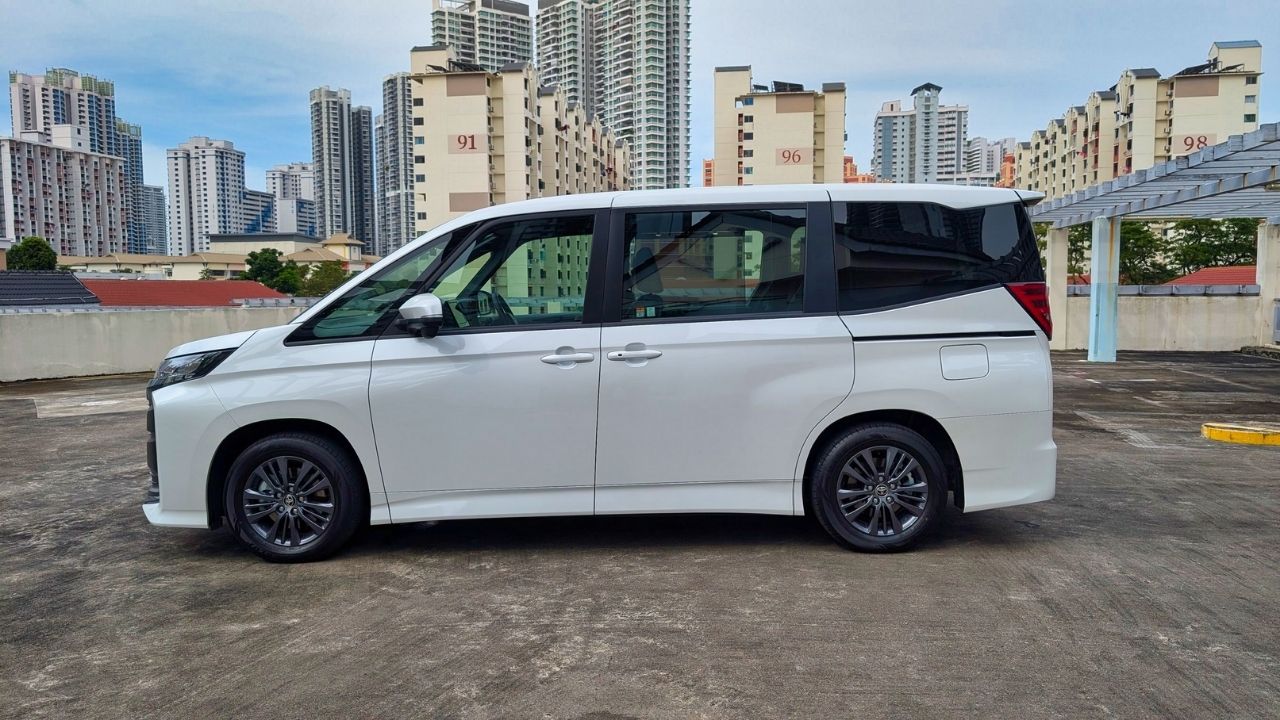
The Noah Hybrid 2026 reinforces a highly valued formula in the Japanese market: family car, high cabin, ample internal access, and focus on efficiency. The proposal resembles a “family hybrid Kombi” by combining space, practicality, and capacity to carry more passengers.
-
British Factory Transitions from Mechanical Parts to Producing 420,000 Electric Power Units Annually, Supplying 70% of Ford’s Electric Cars Sold in Europe

-
Toyota Shifts from Hybrid Cars to Electric Air Taxis with Joby’s 6-Rotor Aircraft, Capable of 322 km/h, Aiming for Mass Production to Electrify Urban Skies

-
Ferrari Unveils Limited Edition 12Cilindri Manuale: 6.5-Liter V12, 830 HP, 0-100 km/h in 2.9 Seconds, Top Speed Over 340 km/h, Only 1,499 Units Available

-
Discover the 2021 Fiat Cronos 1.3: Affordable Maintenance, Reliable Mechanics, and Fuel Efficiency of Up to 15.6 km/l


The difference is that the model updates this concept with hybrid motorization and low consumption for a family-use vehicle. Instead of following the logic of large SUVs, Toyota works with a minivan body, wide doors, and versions designed for urban commuting, short trips, and domestic routine.
Versions have 7 or 8 seats
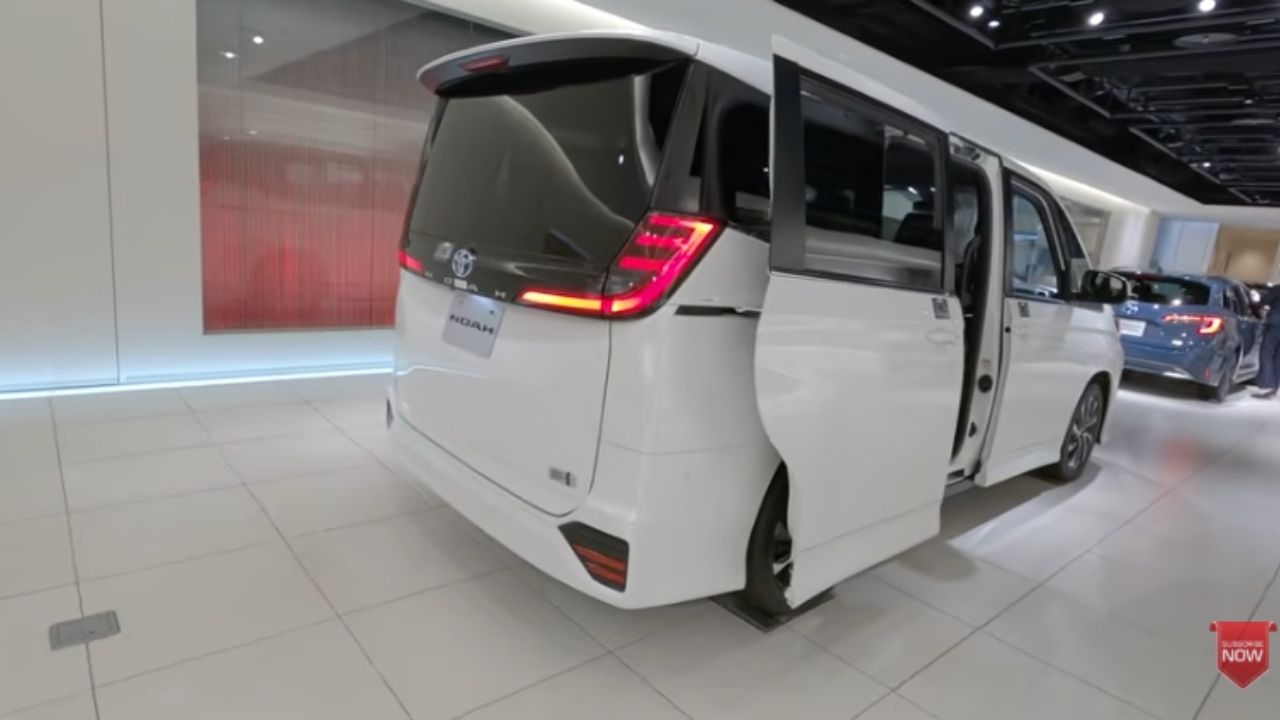
Toyota offers the Noah Hybrid 2026 in versions with 7 or 8 seats, depending on the configuration. The SX 2WD version can be chosen with 7 or 8 occupants, as well as the SG 2WD.
Meanwhile, the E-Four configurations, with electrified all-wheel drive, appear in the table with 7 seats. This variety shows that the minivan was designed for different family profiles, from those seeking more individual comfort to those needing to carry more passengers.
Fuel consumption reaches 23.8 km/l in the WLTC cycle
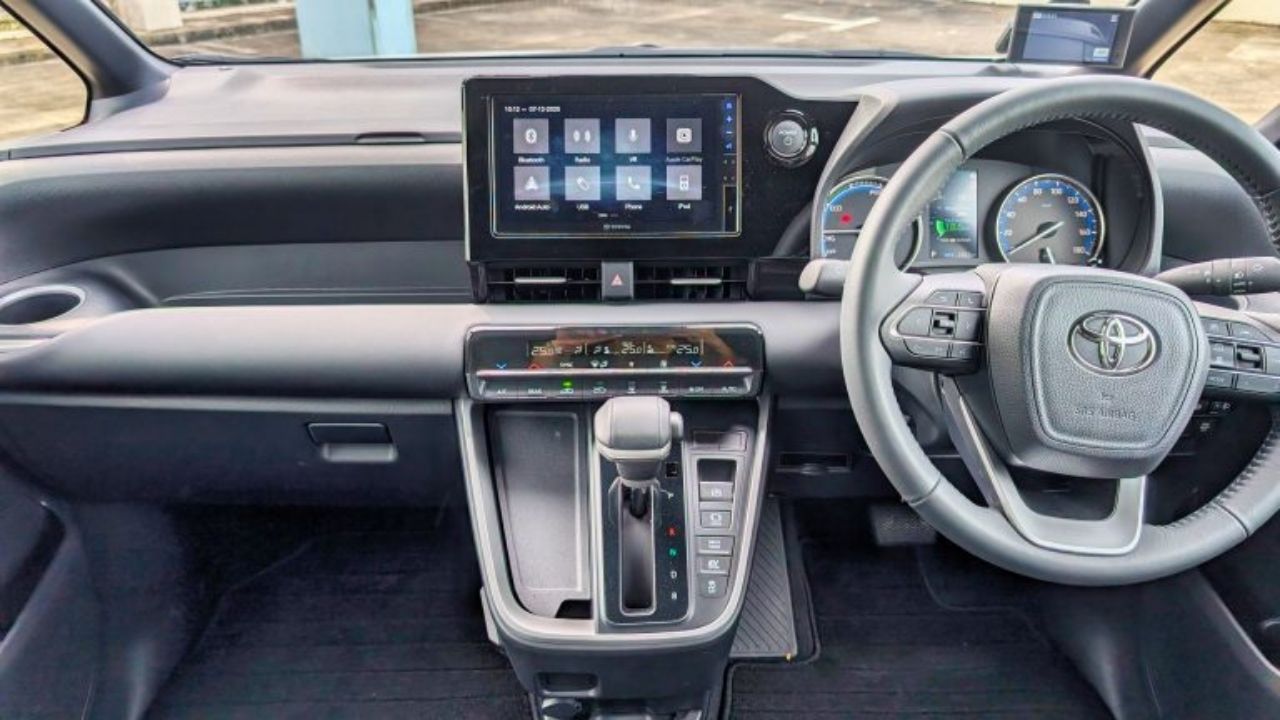
The most striking number on the spec sheet is the fuel consumption. In the SX 2WD versions with 7 or 8 seats, the Noah Hybrid 2026 records up to 23.8 km/l in WLTC mode, according to Toyota’s official table in Japan.
In the SG 2WD versions, the reported consumption is 23.6 km/l. The SZ 2WD configuration shows 23.4 km/l. Even in the E-Four versions, with electrified drive, the numbers remain high, ranging from 21.8 km/l to 22.1 km/l depending on the version.
1.8 hybrid engine appears throughout the lineup
All configurations listed in the table use a hybrid set with a 1.8L engine. Toyota does not position the Noah as a sports performance car, but as an efficient, family-oriented vehicle aimed at everyday use.
This type of engine makes sense in a model with an urban and family-oriented proposal. The priority is to reduce consumption, provide smoothness in traffic, and maintain more economical operation for those who need space but do not want to compromise on energy efficiency.
Initial price is 3,261,500 yen
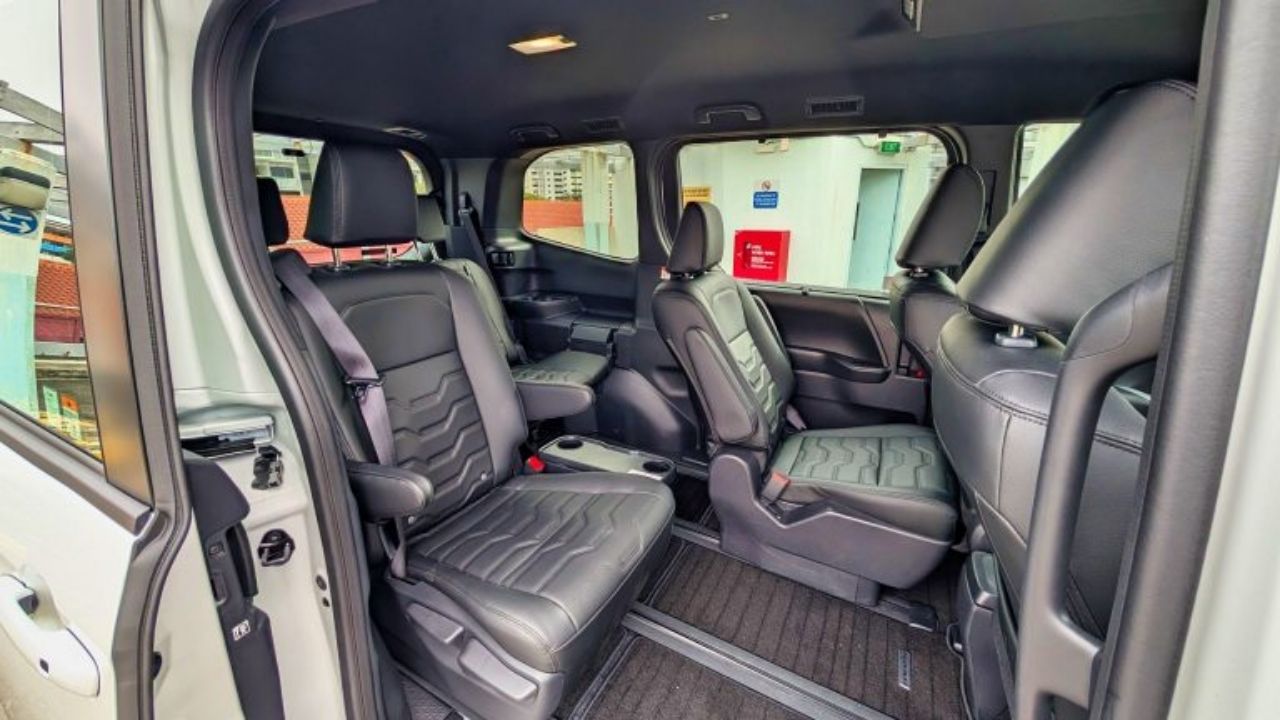
The SX 2WD version, with 7 or 8 seats, appears as the cheapest option in the line, priced at 3,261,500 yen, including taxes in Japan. In the direct conversion used as a reference in the theme, the value is close to R$ 104,000.
It is important to separate real price conversion in Brazil. This value does not represent the final import, nationalization, or official Brazilian sale price. It is only used to compare the Japanese positioning of the model with electrified cars sold in the Brazilian market.
More expensive versions exceed 4 million yen
The Toyota Noah Hybrid 2026 line increases in price according to version and traction. The SG 2WD costs 3,700,400 yen, while the SG E-Four reaches 3,953,400 yen.
The SZ 2WD version appears for 4,056,800 yen, and the SZ E-Four rises to 4,309,800 yen. These configurations target consumers seeking superior finish, more equipment, and electrified traction, maintaining the family hybrid minivan proposal.
E-Four expands the proposal for electrified traction
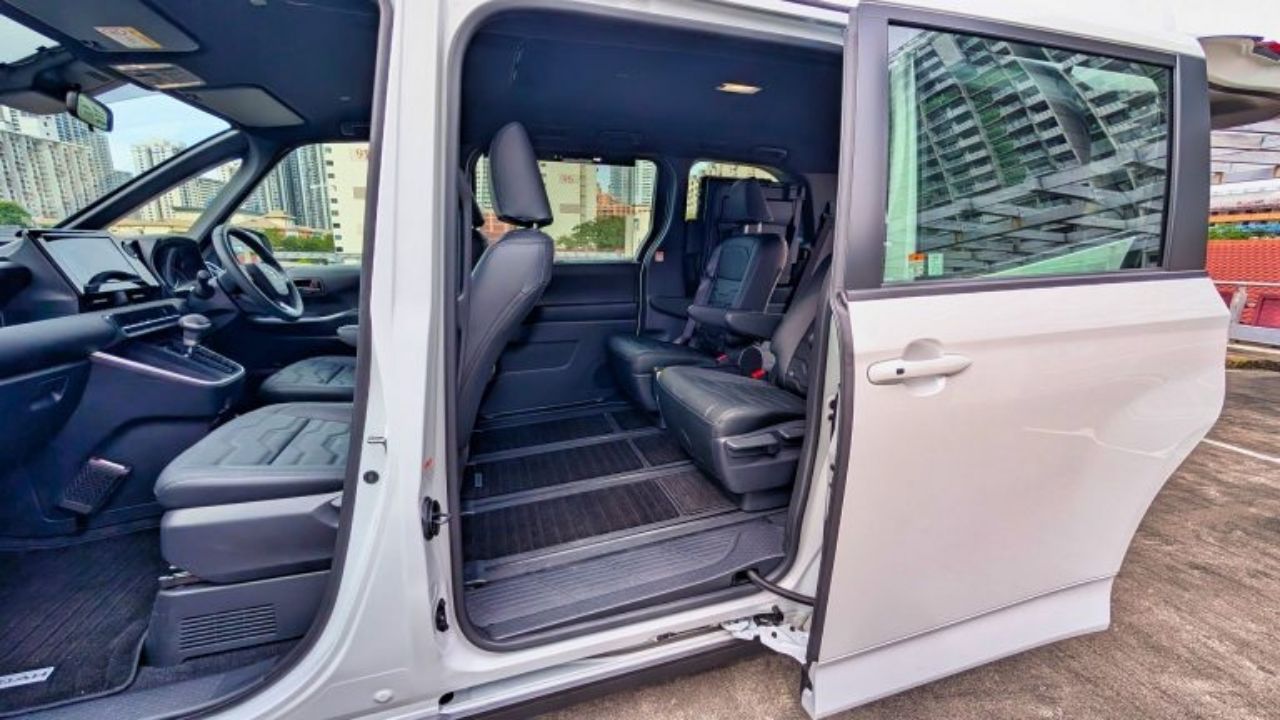
The E-Four versions add electrified traction to the Noah Hybrid 2026 options. In practice, this system increases versatility in low-adhesion situations, bad weather, or terrains where the driver desires more safety.
Even with the additional traction, consumption remains competitive. The SX E-Four achieves 22.1 km/l, the SG E-Four records 21.9 km/l, and the SZ E-Four stands at 21.8 km/l in the WLTC cycle. For a minivan of up to 7 seats, these numbers reinforce the focus on efficiency.
Comparison with SUVs sold in Brazil draws attention
The point that makes the Noah intriguing for the Brazilian public is the comparison with electrified SUVs sold here. The theme mentions the Tiggo 8 Pro Plug-in Hybrid, a family-sized SUV marketed in Brazil, as a reference for a higher price.
The comparison does not mean that the vehicles have the same proposal. The Toyota Noah is a hybrid minivan focused on space and practicality, while plug-in hybrid SUVs usually rely on a different combination of power, technology, and positioning. Still, the difference in concept raises a question: why have efficient family minivans almost disappeared from the Brazilian imagination?
Minivan challenges the SUV craze
The Brazilian market has become accustomed to seeing SUVs as a solution for families. However, in many cases, minivans offer more rational internal use, better access to the cabin, and a more suitable configuration for carrying passengers.
The Noah Hybrid 2026 shows that there is still room for another type of family car in mature markets. It does not try to look adventurous. The appeal lies in the cabin, consumption, versatility, and capacity to transport people efficiently.
KINTO also appears as an alternative in Japan


Toyota’s table in Japan also shows options through KINTO, a new car subscription service. In this format, the SX HEV 1.8L 2WD 7-seater version appears starting at 31,790 yen per month, under a 7-year contract and specific conditions informed by the brand.
The SG and SZ versions also appear in the service, with different monthly fees according to configuration. This usage model reinforces how the Japanese market offers alternatives beyond direct purchase, including subscription with bundled costs.
T-Connect and owner support complete the package
Noah is also eligible for T-Connect, Toyota’s connected service offered free of charge for 5 years in Japan, according to the official page. Among the mentioned features are automatic emergency notification, remote control via app, digital key, and real-time information through navigation.
These items help position the minivan as a modern product, even without the aggressive look common in SUVs. The proposal is family-oriented, but the delivery includes connectivity, efficiency, and convenience.
In Brazil, where electrified SUVs occupy the top showcases, the question remains: would a more rational and efficient family hybrid minivan have space among Brazilian consumers, or has the market already decided that a large family really needs an SUV? Leave your opinion in the comments.


