Portuguese
  Spanish



Argentina Withdraws From WHO and Promotes Healthcare Restructuring
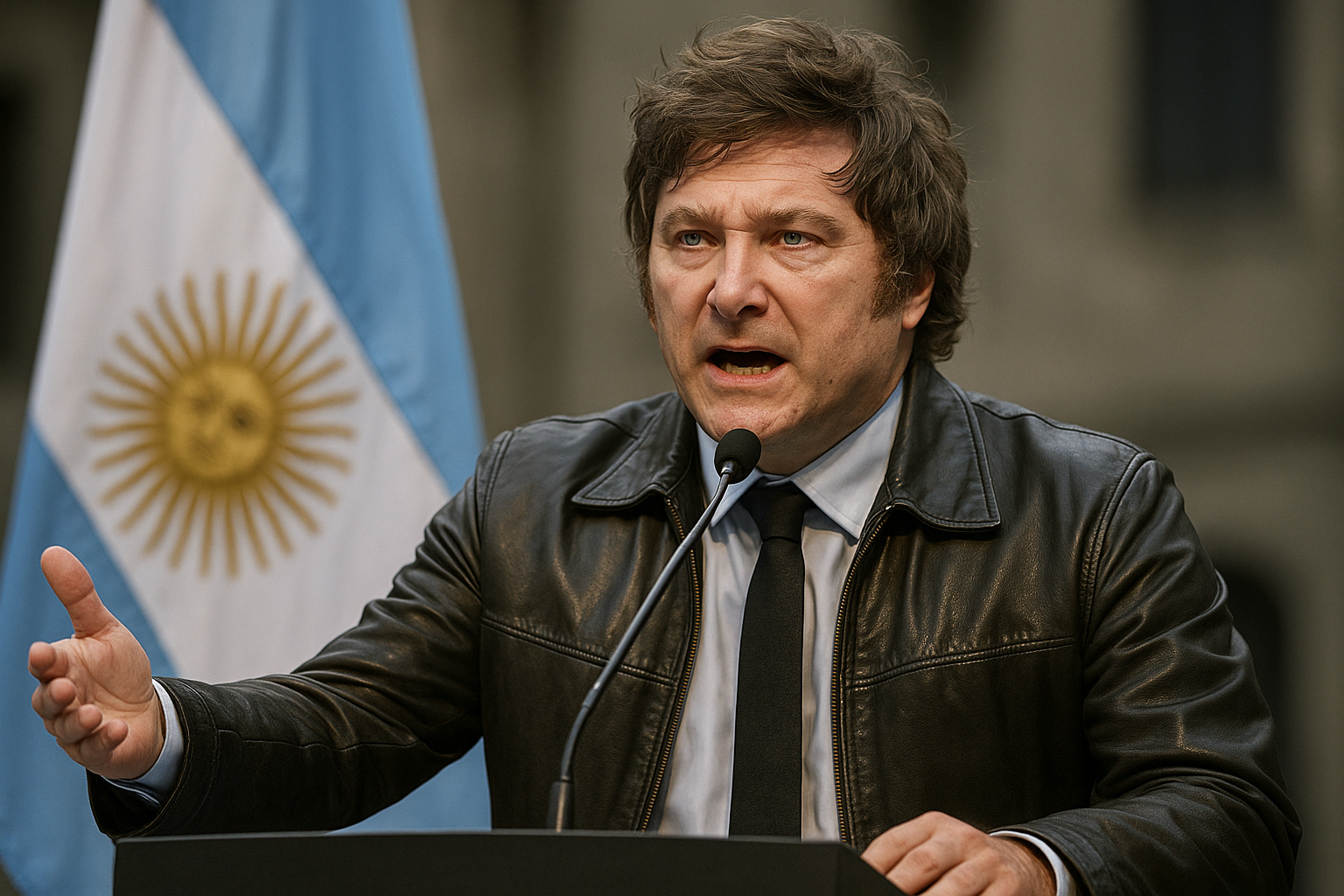
On Monday, May 26, 2025, the Argentine government officially confirmed its withdrawal from the World Health Organization (WHO). The decision, announced during the visit of U.S. Secretary of Health Robert Kennedy Jr. in Buenos Aires, marks a significant shift in the country’s healthcare policy. The Argentine Ministry of Health criticized the WHO for adopting guidelines based on political interests and bureaucratic structures, rather than solid scientific foundations.

Review of Vaccination Protocols
The Argentine government announced a series of changes to health policies, including the requirement that vaccines undergo clinical studies using placebo as a minimum standard. This measure aims to increase the rigor of the approval processes and strengthen public trust based on verifiable data. The COVID-19 vaccine was cited as an example of a vaccine approved under exceptional conditions, without an adequate control group.
Alignment With the United States and Criticism of WHO
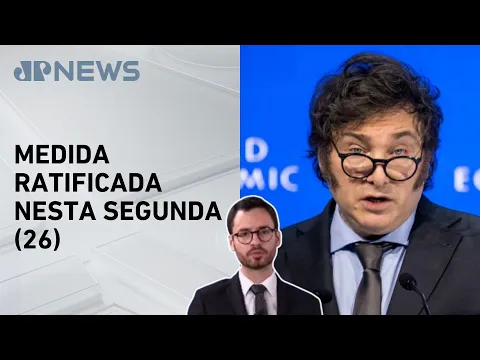
Argentina’s exit from the WHO follows a similar decision by the United States, announced earlier by President Donald Trump. Argentine President Javier Milei had already expressed criticisms of the WHO’s management during the COVID-19 pandemic, labeling it as “disastrous” and accusing the agency of promoting measures that violate the health sovereignty of countries.
-
European Parliament Approves Digital Euro, Aiming to Challenge Visa and Mastercard’s Dominance and Transform Payments Across Europe by 2029

-
Israel finds Hezbollah militarized tunnel over 200 meters long under village, with 4 missile launch shafts, 12 chambers, anti-tank missiles, drones, and weapons depots at a depth of 25 meters.

-
Ukraine launches largest drone attack on Moscow since 2022, Russia claims to have intercepted nearly 200 aircraft near the capital, Kapotnya refinery targeted again, and offensive reignites alert about war reaching the Russian energy heart just a few kilometers from the Kremlin.

-
Truck drivers, freight, and fines from 2022 take center stage in politics: Chamber approves MP with amnesty, mandatory tracking by CIOT, million-dollar penalties, and new minimum wage for those who spend more than 24 hours on the road.




Restructuring of the Healthcare System and Food Security
In addition to changes in vaccination protocols, the Argentine government also aims to review the use of synthetic additives in processed foods. For this reason, there will be special attention to products aimed at children, especially due to the greater vulnerability of this age group. As a consequence, the initiative seeks to restrict potentially hazardous substances, in addition to strengthening the criteria for the approval of these ingredients. Furthermore, there are plans to reinforce control over components that are, in some way, associated with the increase of chronic diseases in the population.
Future Perspectives and Impact on Public Health
With these measures, Argentina is therefore trying to strengthen its autonomy in managing public health, especially by prioritizing policies based on scientific evidence. Additionally, it seeks to adapt these policies to national needs, which reinforces a more independent approach focused on concrete results. Consequently, the government asserts that by leaving the WHO, it will gain more freedom, and will also be able to adjust health policies to its internal reality. In doing so, it reaffirms its commitment to transparency, efficiency, and, above all, the continuous improvement of the national healthcare system.