Portuguese
  Spanish


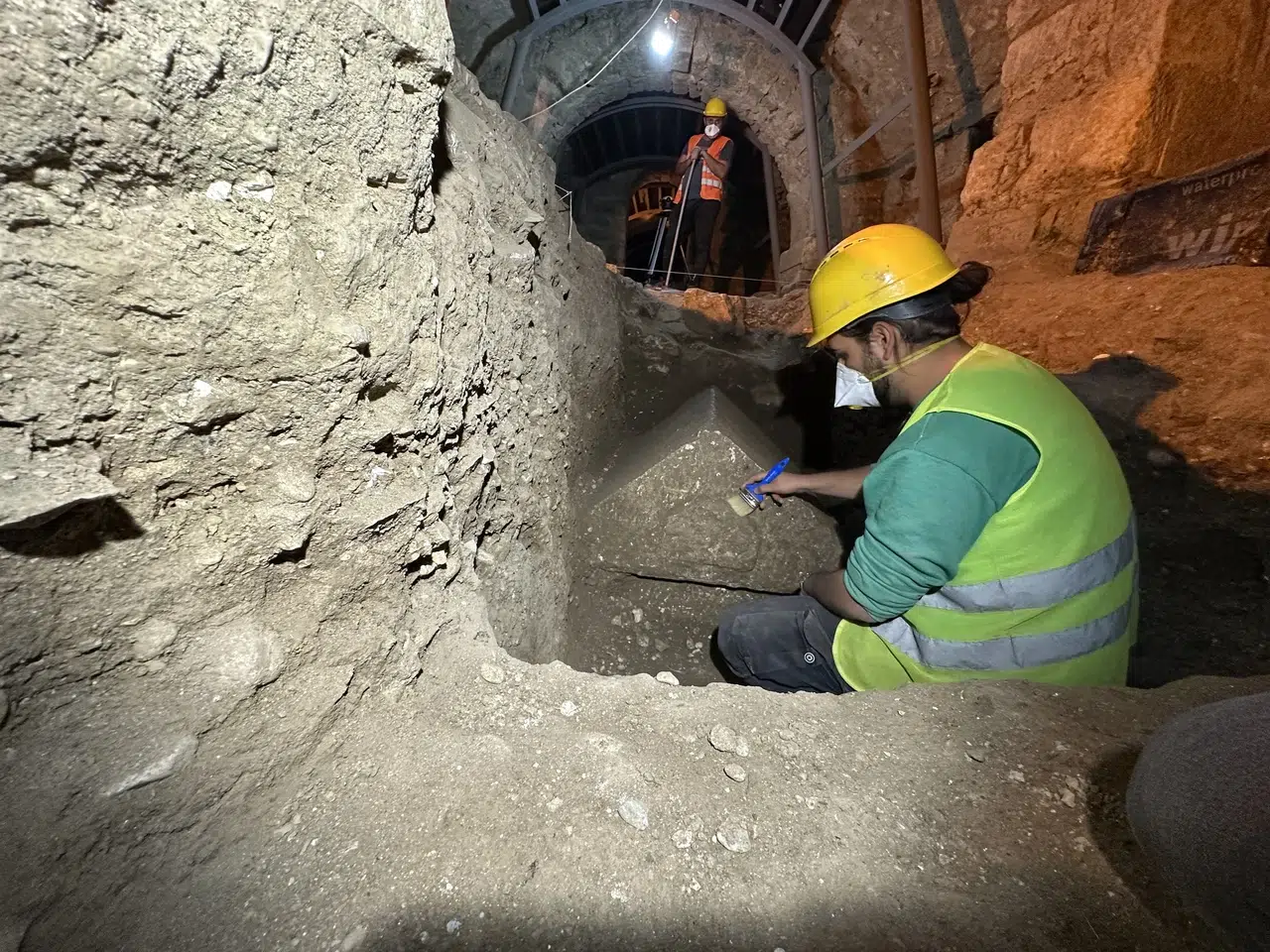


Researchers Believe They Have Found the Sarcophagus of St. Nicholas, Known as “The Real Santa Claus,” in an Annex of an Old Church in Turkey, Revealing More About His History.
A sarcophagus was unearthed by archaeologists during excavations at the historic Church of St. Nicholas, located in Demre, Turkey, revealing new clues about the past of this emblematic location. It is believed that the church is near the burial site of St. Nicholas, the Bishop of Myra who inspired the figure of Santa Claus.
St. Nicholas is widely considered the primary inspiration for the modern figure of Santa Claus. He was a bishop who lived in the 4th century in the region of present-day Turkey and is known for his generosity and the miracles attributed to him.
The most famous legends involve his help to poor families, such as the story of him leaving gold coins in the house of three sisters so they could marry, avoiding slavery.
-
It all started with a PET bottle: the incredible story of the Brazilian invention that gave rise to Litro de Luz and brought sustainable lighting to communities in Brazil and around the world.

-
Teased at school for his long hair, the 5-year-old “Mini Haaland” from Camboriú went viral on the internet and received a message from Erling Haaland himself that silenced everyone: “don’t listen to what everyone says.”

-
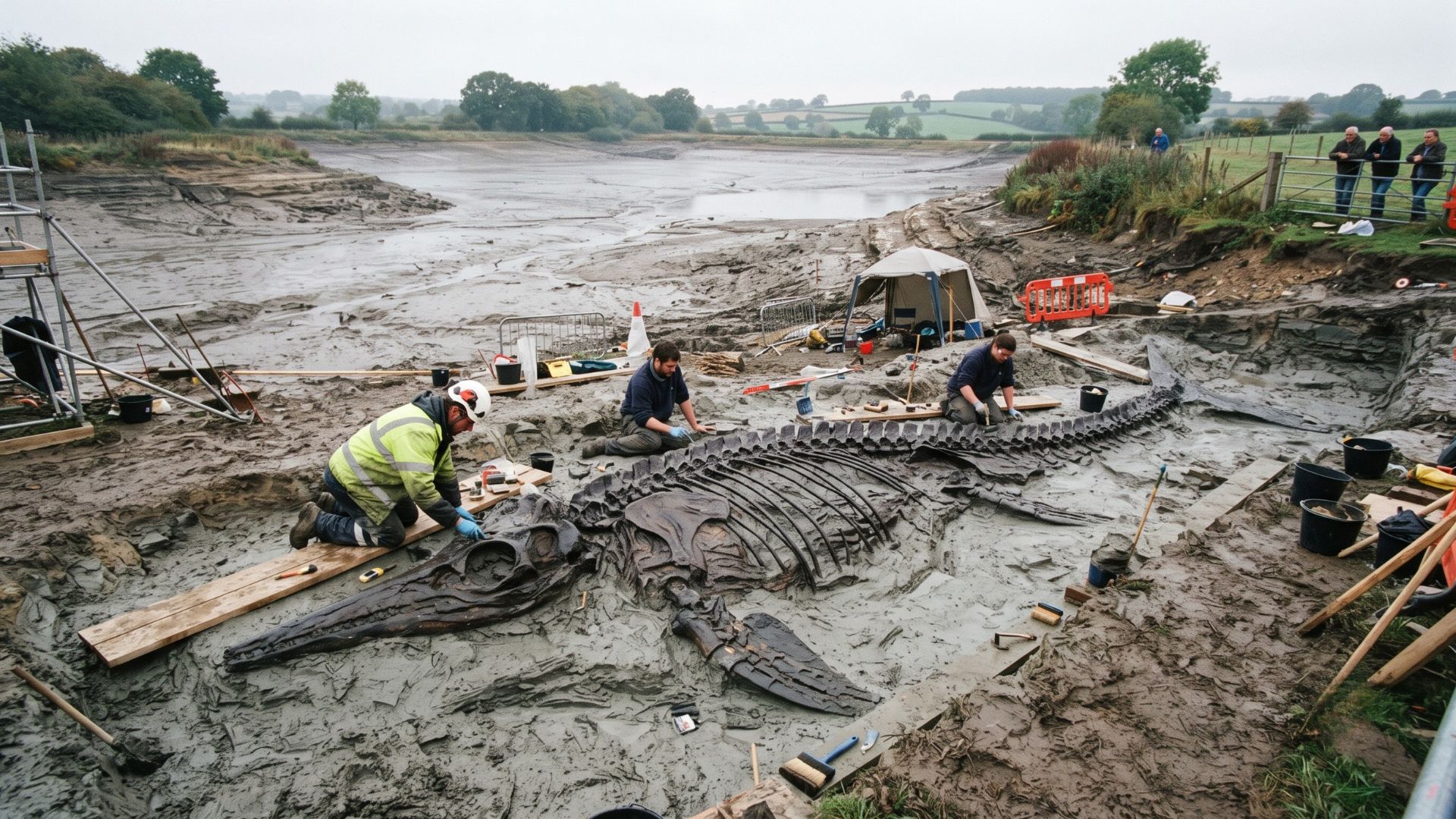
During the routine drainage of a lagoon in England, an employee found the nearly complete skeleton of a 10-meter, 180-million-year-old “sea dragon,” the largest and most complete marine reptile ever discovered in the United Kingdom.
-
A college in Peru turned a street billboard into a ‘factory’ for drinking water that pulls moisture from the air: in three months, the panel produced almost 9,500 liters in one of the driest capitals on the planet.



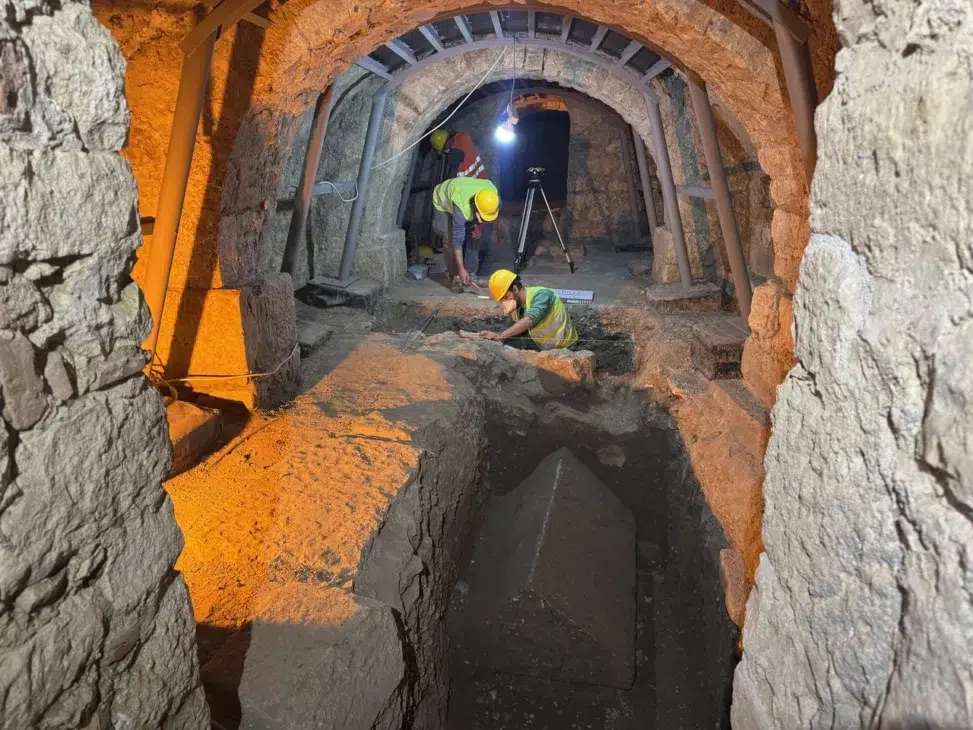
The ongoing excavations, which have lasted for decades, continue to bring significant discoveries. This time, the find was made in the two-story annex of the church, where archaeologists have been working since 1989.
A Historical Discovery
The project, led by Associate Professor Ebru Fatma Findik from Hatay Mustafa Kemal University, is part of the initiative “Legacy Project for the Future,” coordinated by the Turkish Ministry of Culture and Tourism.
After two years of intensive excavations, a locally sourced limestone sarcophagus, approximately two meters long, was revealed.
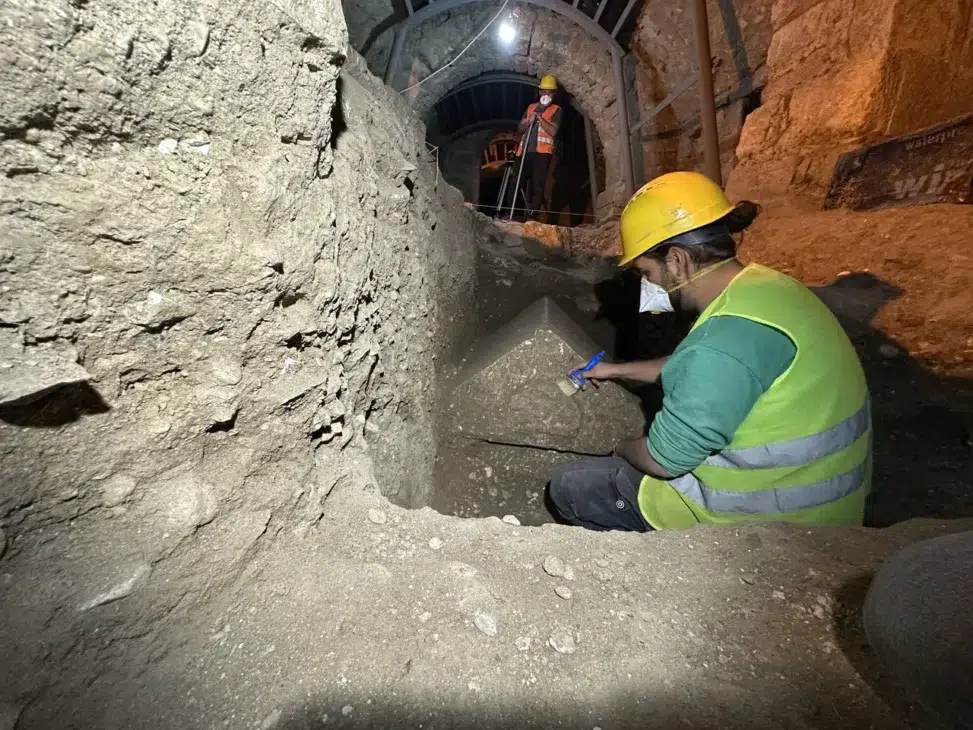
Partially buried between 1.5 and 2 meters below the ground, the sarcophagus features a raised lid and a sloped roof, typical characteristics of the region.
According to Findik, evidence such as animal bones and fragments of clay lamps had already indicated the possibility of a burial site.
Inscriptions Could Bring Crucial Answers
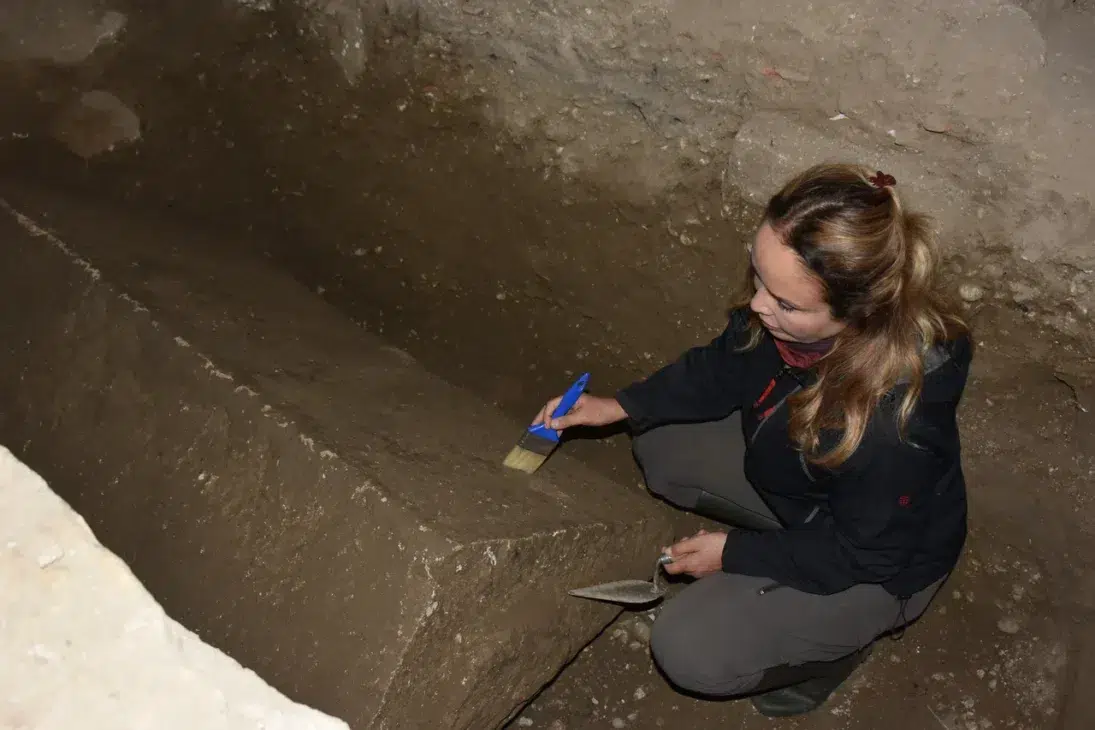
Now, the team is focusing its efforts on searching for inscriptions on the sarcophagus. This information could reveal important details about the deceased and help date the find accurately.
“Our greatest hope is to find an inscription on the sarcophagus. This would help clarify the contents of the burial and allow us to determine the exact period it dates from,” Findik stated.
So far, only part of the burial chamber has been exposed. In the coming months, the excavations are expected to reveal more details about the sarcophagus and its possible occupant.
After All, The Tomb of St. Nicholas?
The discovery of the sarcophagus reignites hope that it may be the final resting place of St. Nicholas. Historians have long debated where the saint’s tomb might be, with many suggesting its proximity to the ancient city of Myra.
The location of the sarcophagus, near the church built over what is believed to be the burial site of the bishop, strengthens this theory.
“Some sources suggest that St. Nicholas was buried near the sacred area of the city of Myra. The fact that we have found a sarcophagus near the church, historically associated with his tomb, may indicate that this is the sacred area mentioned in ancient texts,” commented Findik.
Impact on History and Archaeology
The discovery marks an important advancement for archaeology and offers new perspectives on a central figure of early Christianity. As excavations continue, researchers hope to answer questions that have intrigued historians for centuries.
The Church of St. Nicholas, recognized as a UNESCO Tentative World Heritage Site since 2000, is a cultural and historical landmark. Every year, it attracts thousands of visitors, especially from Russia, solidifying its role as an important destination for religious tourism.
A Treasure of Inestimable Value
The discovery of the sarcophagus not only sheds light on the history of the site but also brings researchers closer to solving the mystery of St. Nicholas’s burial. This find reinforces the importance of preserving and exploring archaeological sites that help tell fundamental stories for humanity.
As new evidence emerges, hopes of finding definitive answers about the tomb of St. Nicholas gain strength. The next stages of the excavations promise to reveal even more secrets guarded by time.