






 Portuguese
  Spanish


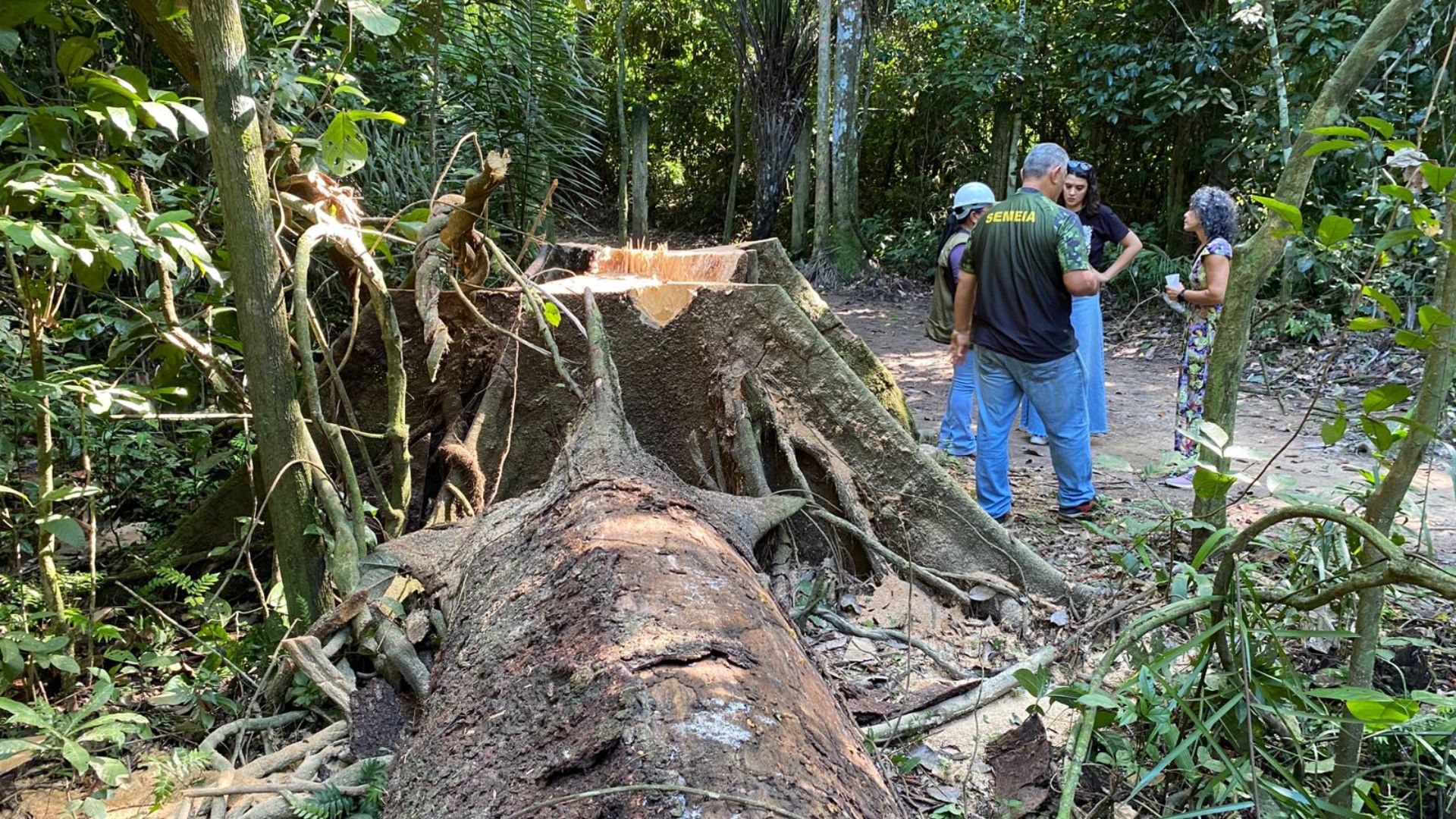

Tree Removal in Traditional Neighborhood in Northern Zone Occurs Amid Real Estate Expansion and Reignites Debate About Environmental Licensing, Green Compensation, and Transparency in Monitoring Large Residential Developments in Rio.
The construction of a new residential condominium in Grajaú, in the Northern Zone of Rio, began with the removal of 55 trees on a plot of land on Rua Barão do Bom Retiro, where the former Associação Atlética Light, known as Light Club, was located.
The development, called Living Wellness Grajaú, plans to have 380 apartments distributed across four blocks and had the removal of vegetation authorized by the municipality, with an environmental compensation of 1,960 seedlings, due within 90 days for compliance, according to information released by the City Hall and reported in local portals.
The intervention occurs shortly after another episode that mobilized residents in the Southern Zone.
-
Improper Outlets Can Cause Fires and Damage Devices: How to Identify the Correct 10A or 20A Model for Each Appliance

-
Entrepreneur Who Started at 13 Delivering Flyers by Bike in São Paulo Now Runs a 4,000 m² Culinary Complex in Brazil

-
In China, Workers Use VR Goggles and Body Sensors to Train Humanoid Robots for Tasks Like Folding Clothes and Stocking Stores
-
12-Year-Old Math Prodigy from Brazil Wins Two Gold Medals and Aims for Elite IMPA Tech


The removal of 71 trees from the site of the former Bennett School in Flamengo, associated with a real estate project, led the courts to order a suspension of the works following a popular action.
Development Planned on the Site of the Former Light Club
The address in Grajaú is set to receive a large condominium, announced by the brand Living, part of the Cyrela group.
Promotional materials for the development indicate that the project is concentrated on Rua Barão do Bom Retiro and is presented as a residential aimed at the “wellness” concept.

Amid the onset of the works, the removal of trees on the site began to be discussed by neighborhood residents.
There were reports of local discomfort with the advance of machinery and the rapid change in the scenery of a traditionally wooded area.
The municipal authorization for vegetation removal was issued on December 16, linked to a requirement for planting compensation of 1,960 trees, to be carried out within 90 days.
Environmental Authorization and Compensation Requirements
In Rio, the removal or transplantation of vegetation in areas under municipal jurisdiction depends on a Vegetation Removal Authorization, a procedure that establishes conditions and compensatory measures according to current legislation.
The service is described by the City Hall as an instrument that authorizes the intervention and defines the obligations of the requester to compensate for environmental impacts.
The requirement for compensatory planting seeks to replace part of the vegetation removed.
This planting does not necessarily occur at the exact location where the cutting took place, depending on what is stipulated in the licensing.
Details of the planting location, species, and schedule are usually included in the conditions of the administrative process.
These documents were not presented in the original material.
In the case of Grajaú, the mentioned compensation is 1,960 seedlings, a number greater than the total number of trees cut.
The proportion indicates a replacement expected in the disclosed licensing.
Inspection and monitoring of compliance with these measures depend on the routines of the licensing body and the records of the process.
Revocation of Protection and Residents’ Response
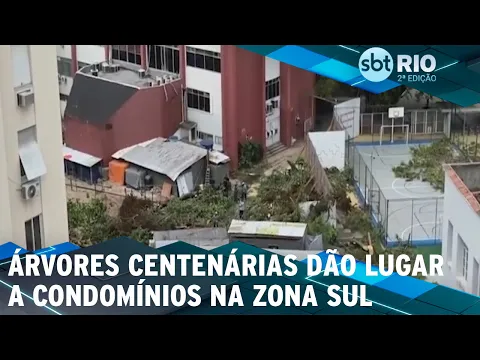

The transformation of the former Light Club into a construction site occurs following changes in the property’s protection status.
The site had its tomb revoked, reducing the level of preservation and paving the way for the reconfiguration of the space.
As a result, the residential project was able to proceed. The removal of trees brought back a recurring discussion in the city.
The topic involves the balance between real estate expansion and the maintenance of green areas in established neighborhoods.
In areas like Grajaú, street tree cover and large plots still serve as urban breathing spaces.
Residents often associate the cutting down of trees with immediate losses. Among them are reduced shade and changes in the local microclimate.
On the other hand, public authorities and developers argue that the interventions are supported by legal authorization and environmental compensation.
In the Grajaú episode, the released information centers on the number of trees removed and the obligation of compensatory planting.
There is no public detail on where these seedlings will be planted. The criteria for maintenance to ensure the survival of the trees were also not disclosed.
Comparison with the Case of Bennett School
The tree removal in Grajaú was mentioned in parallel to the case of the former Bennett School in Flamengo.
In that area, the removal of 71 trees occurred on a large plot of land. The episode provoked mobilization among residents and entities.
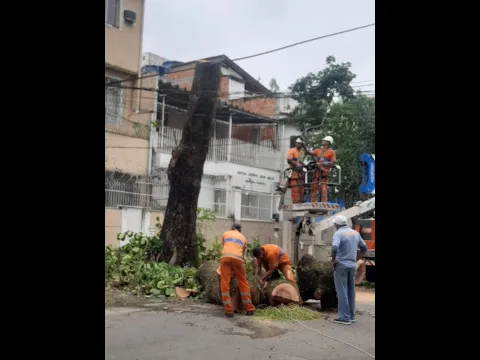
The court ordered an immediate suspension of the works. It also established that the City Hall should suspend and oversee compliance with the stoppage.
Although they are distinct situations, the sequence of the two cases heightened public attention on authorizations for vegetation removal.
The attention intensifies when the cuts involve well-known areas of the city. Rapid changes in the urban landscape often prompt questions.
Each project has its own licensing process. The requirements and conditions vary according to the project.
Compliance depends on what was approved and what is actually executed. In the case of Grajaú, what was disclosed indicates that the license provides for compensation of 1,960 seedlings within 90 days.
The development will have 380 residential units distributed across four blocks.
Compliance with compensatory measures tends to be the main point of interest for public monitoring.
It is at this stage that it is verified whether the promised replacement turns into effective greening, with adequate maintenance and survival of the seedlings.
How to ensure transparency about where, when, and under what conditions these 1,960 seedlings will be planted and monitored?


