






 Portuguese
  Spanish
  3 min of reading
  0 comments


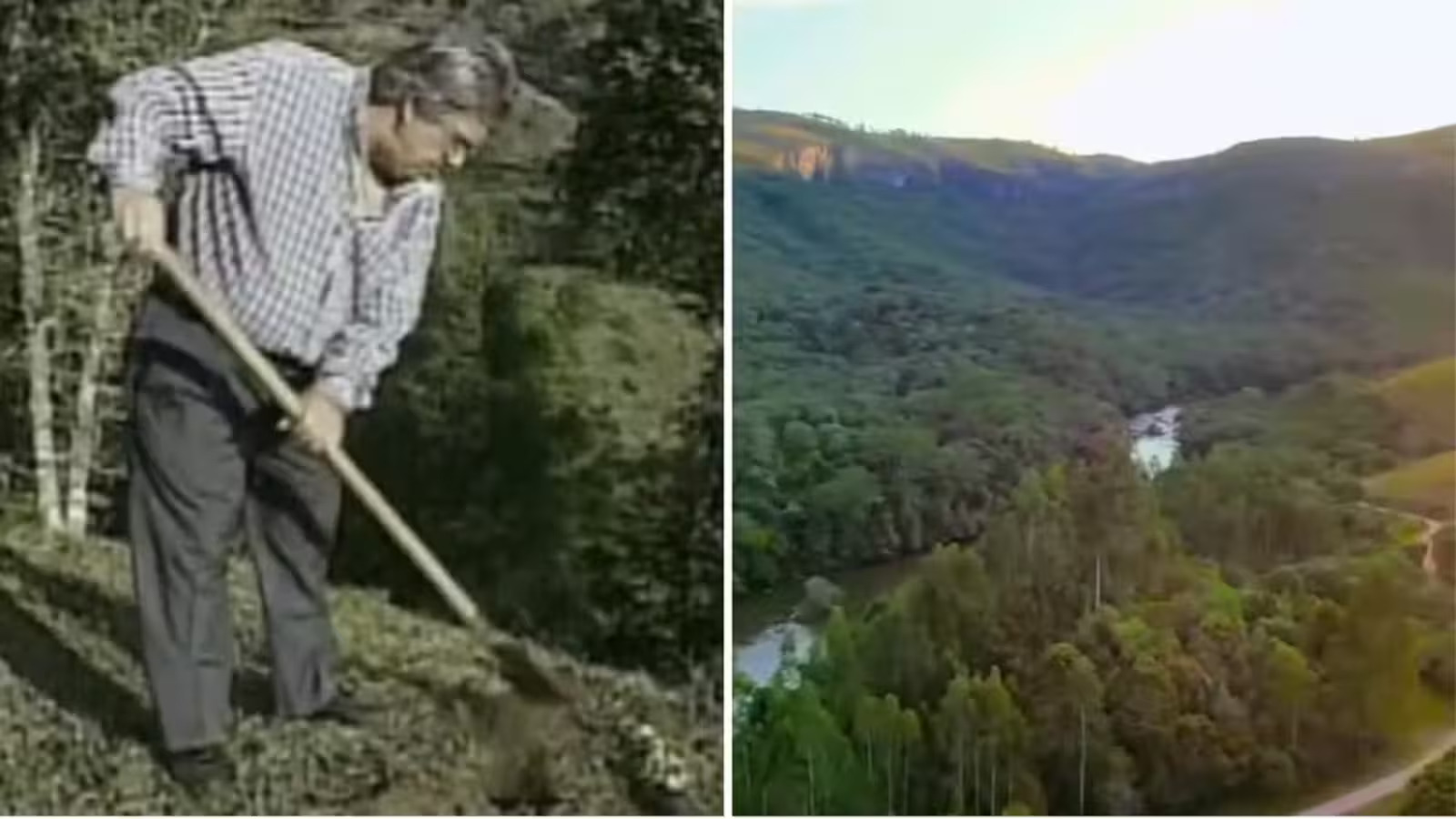
Over more than 30 years, Izidro Constantino Guedes planted trees on a property between Castro and Tibagi, helped preserve 1.7 million m² of forest, and inspired a seedling donation project
At 75 years old, businessman Izidro Constantino Guedes estimates he has planted about 400,000 trees over more than 30 years on the family lands, between Castro and Tibagi, in the Campos Gerais of Paraná. The property, with 2.42 million m², is located in the Guartelá Canyon region and includes preserved forest, endangered araucarias, and nature-related tourism.
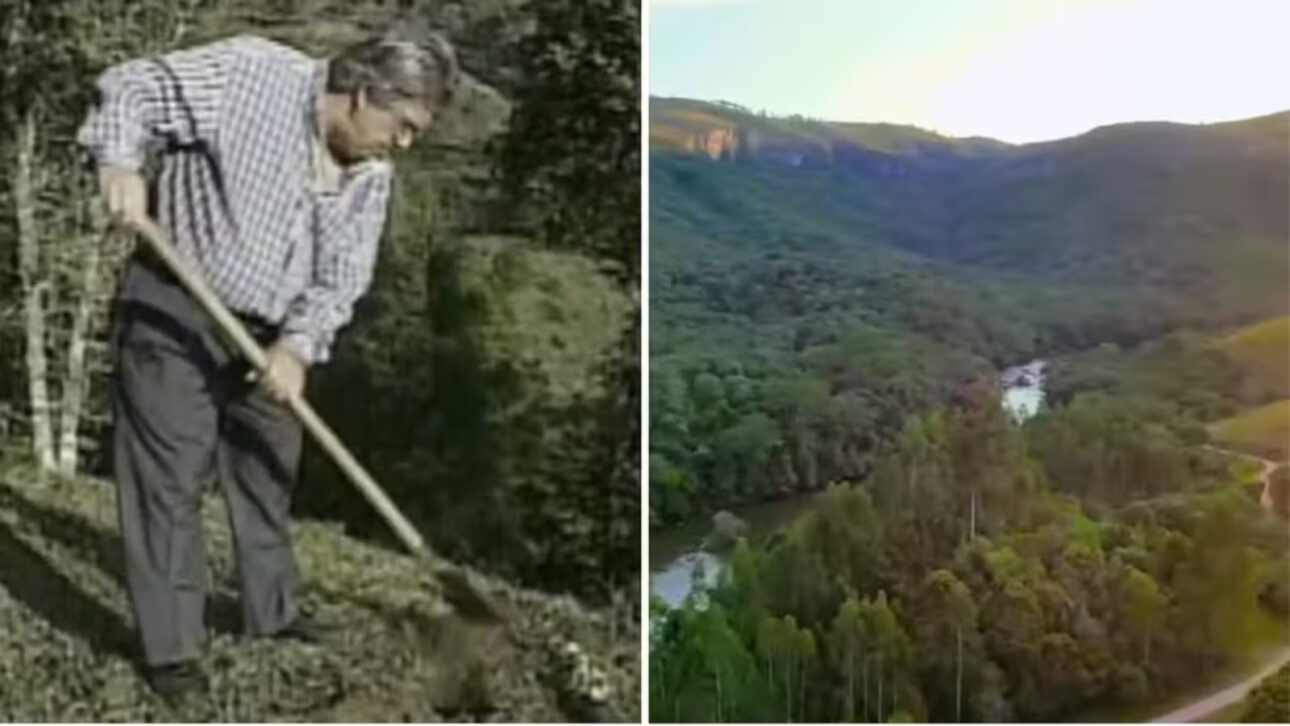
Preserved area occupies 1.7 million square meters of trees
According to Alexandre Guedes, Izidro’s son, about 70 alqueires of the property, equivalent to 1.7 million square meters, are now preserved dense forest. The total land is 2.42 million m², an area compared to almost 340 football fields.
The property is located in the Guartelá Canyon region, noted in the material as the largest canyon in Brazil and one of the largest in the world. On-site, the family maintains a lodge, currently managed by the businessman’s son and granddaughter.
-
11-year-old girl sees that the family didn’t have money for her father’s headstone, sets up a lemonade stand and raises almost $3,000 with the help of the community.

-
Archaeologists excavating a train project in France have found, under meters of mud from the Seine River, a Mesolithic camp from 10,000 years ago that seemed to have disappeared from human history.

-
Son finds father’s forgotten notebooks and helps scientists solve the mystery of a 55-million-year-old marine fossil that remained unanswered for almost three decades.
-
Sailor sails alone from Panama to Cuba carrying just over US$ 7,000 in food, medicine, and baby formula, spends hours at Santiago de Cuba customs, and delivers everything to Cáritas, linked to the Catholic Church, to distribute to the population.




Today, Izidro faces health problems that prevent him from walking through the forests he planted. Even so, the work carried out over decades remains a central part of the family’s and property’s history.


More than 100,000 araucaria trees were planted on the property
Among the trees planted, there are more than 100,000 araucarias, a species at risk of extinction. The site also gathers thousands of other threatened species, such as the imbuia, as well as fruit trees.
These fruit trees attract animals and help multiply the native fauna and flora, according to the family’s account. The vegetation formed over the years has transformed the area into an environment of continuous preservation.
Alexandre states that his father did practically everything by himself. For the family, planting trees has always been a passion, a hobby, and a lifestyle for Izidro.
“He always liked trees. It’s in his spirit to plant trees. He likes to give seedlings, he takes pleasure in reforesting the world,” said Alexandre.

Project distributed more than four thousand seedlings in a single day
In addition to reforesting the family lands, Izidro created the “Planeta Verde” project, aimed at distributing seedlings to other people. In a single day, the initiative managed to donate more than four thousand seedlings to the community.
People lined up to receive fruit species and other native trees of the region for free. The proposal, according to the material, was to help other areas also become greener.
In the early 2000s, Izidro was featured on the now-defunct Globo Comunidade program, from RPC, an affiliate of TV Globo in Paraná. On that occasion, he stated that he still wanted to do more for environmental preservation.
“I think I’ve only done a little, more needs to be done,” he said. He also stated that he wanted to leave his descendants “a healthier planet,” not just in conversation, but in action.
Family maintains tourism linked to preservation
Two decades later, the work continues with Izidro’s son and granddaughter. They manage the family business and claim they seek to combine tourism with the promotion of nature preservation.
Barbara Guedes highlights the presence of animal species in the area, such as the azure jay, the magpie, and the bellbird. According to her, the property hosts one of the largest breeding basins for bellbirds.
For Barbara, the space also has an educational role. She hopes that more people can visit the place and learn from it about respect for nature.
This article was prepared based on information from the provided base material, with data, numbers, and statements preserved as per the material consulted.




Be the first to react!