






 Portuguese
  Spanish
  4 min of reading
  0 comments


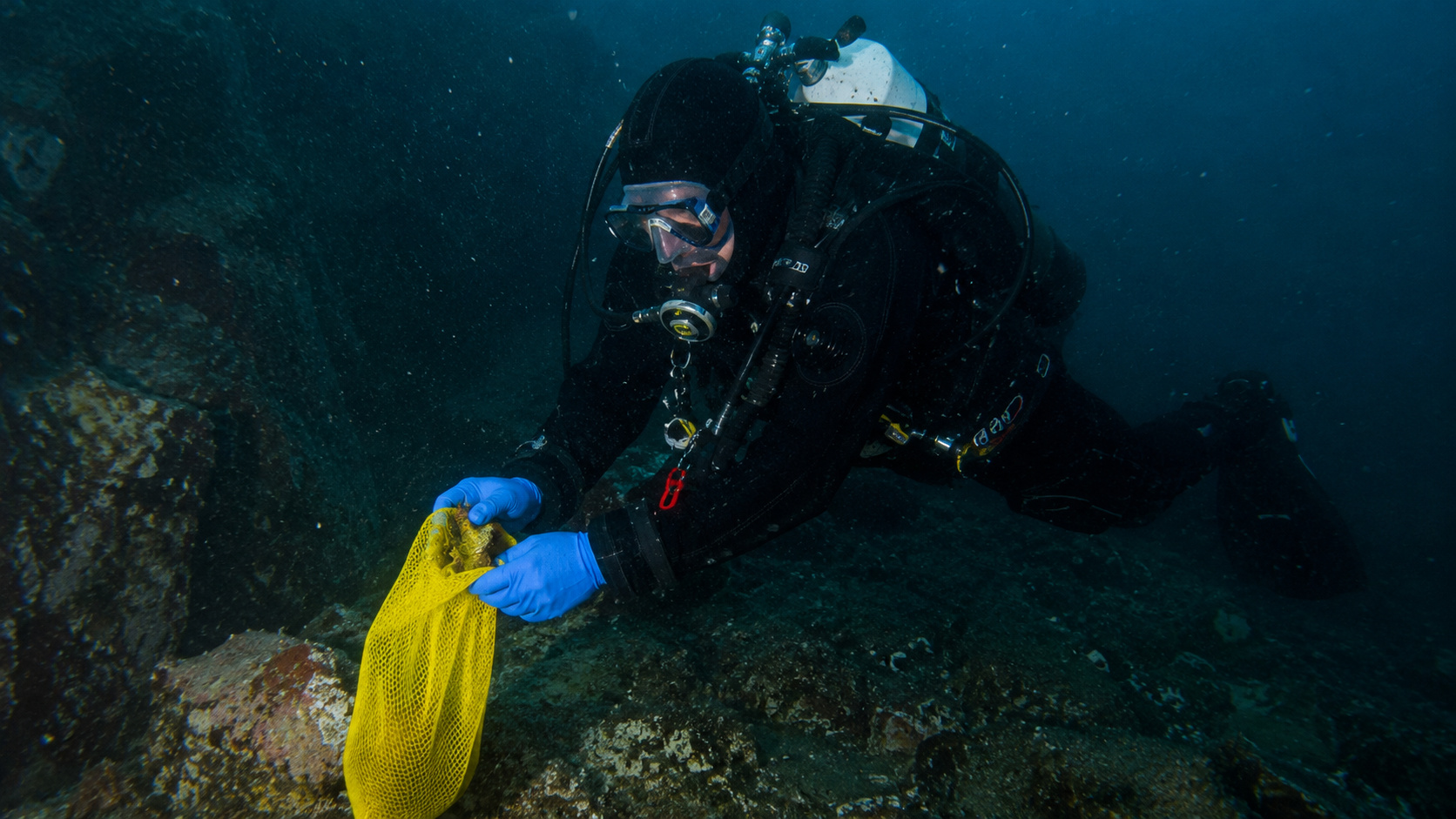
Compound produced by marine bacteria found in Antarctic ascidian showed selective action against melanoma cells in research by the University of South Florida.
A scientific discovery made from Antarctic marine organisms has once again gained international prominence.
Researchers from the University of South Florida, in the United States, are studying a bacterium found in an ascidian, a small marine invertebrate that lives attached to rocks and submerged surfaces.
This ascidian harbors a bacterium capable of producing a toxic compound with the potential to eliminate melanoma cells, one of the most aggressive forms of skin cancer.
-
The “Chinese invasion” has arrived: BYD already dominates almost 45% of the electric buses registered in Brazil in May 2026, while 80% of the entire electric fleet in the country is concentrated in São Paulo with 1,300 vehicles.

-
From toy to track machine: Koenigsegg Sadair’s Spear made with over 327,000 Lego pieces reaches 111 km/h and surpasses the former Bugatti Chiron record.

-
Deep-sea marine animal can go more than 5 years without eating, combining physical adaptations and genetic mechanisms to survive in environments with extreme food scarcity; meet the Bathynomus.

-
Science wants to know what football does to you: study gathers smartwatch data to understand the real impact of World Cup emotions on the human body



The most relevant point of the research is the observed selectivity.
According to the scientists, the compound demonstrated the ability to target cancer cells without harming healthy human cells.
Research reignites scientific investigation against melanoma
The discovery gained new momentum after a six-week scientific expedition, conducted in 2026, in one of the most remote regions on the planet.
According to the University of South Florida, the mission deepened the study of the bacterium and its relationship with the host ascidian.
As reported by Galileu magazine, the focus of the research is on the compound produced by this rare marine bacterium.
For chemistry professor Bill Baker, responsible for the study, selectivity is a crucial factor in drug development.
This type of selective action is of interest because the goal of therapy is to fight the disease without causing unnecessary harm to the patient.
Despite the promising result, scientists emphasize that the discovery does not yet represent an available medication.
The research, therefore, should be seen as an initial, yet relevant, step in the search for new possibilities against skin cancer.
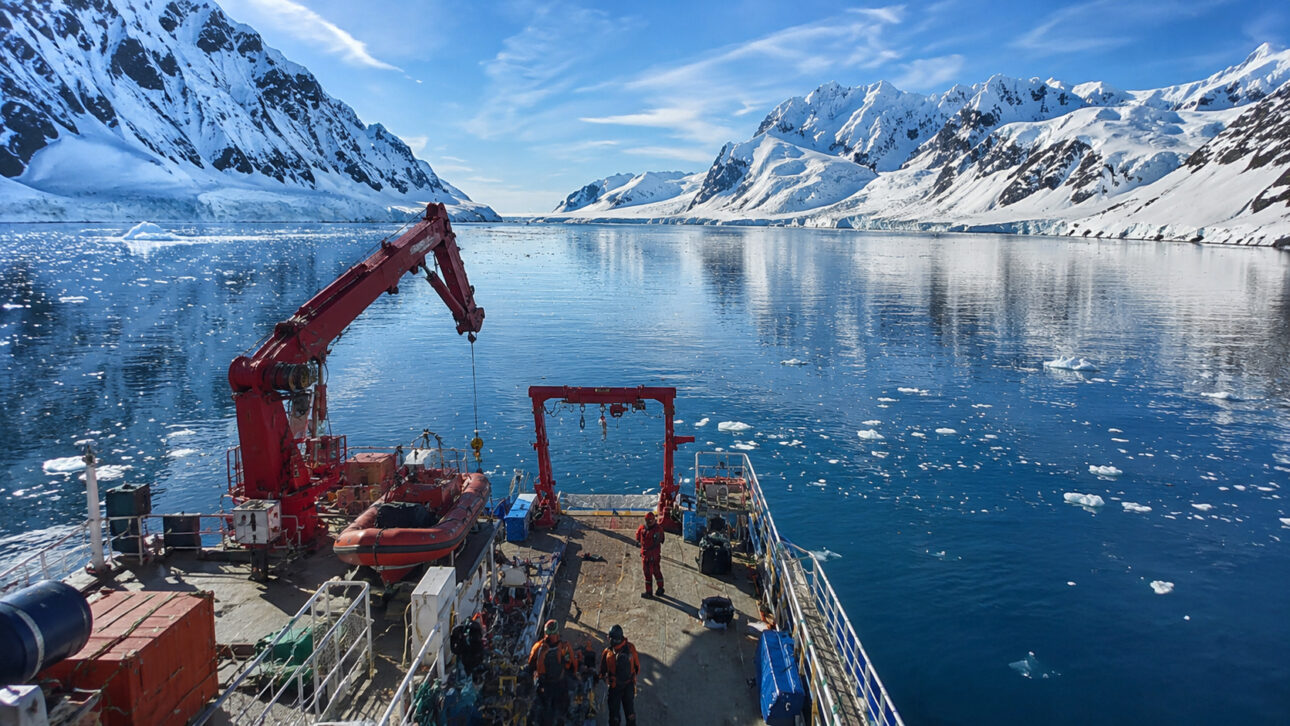
Antarctica functions as a natural laboratory for science
The scientific interest in Antarctica goes far beyond the extreme cold.
For millions of years, the continent has remained geographically and environmentally isolated.
This condition has allowed various species to evolve uniquely, without contact with many organisms found in other regions of the planet.
This trajectory has transformed Antarctica into a kind of natural laboratory for the discovery of new molecules.
In the marine environment, many invertebrates produce chemical substances to defend themselves from predators or compete for space.
These compounds, therefore, are of growing interest in pharmaceutical research.
According to Bill Baker, the studied ascidians are highly adapted to the Antarctic environment and are not found elsewhere.

Technical investigation seeks to understand the bacteria
Although the compound was already known to researchers, the new expedition had more specific objectives.
The team sought to discover where the bacteria occur and how they are distributed along the Antarctic Peninsula.
The scientists also analyzed how it lives within the host ascidian.
According to postdoctoral researcher Sam Afoullouss, the mission investigated how this biological relationship is connected to the compounds studied against melanoma.
These answers may help to better understand how the substance is produced in nature.
From this, the researchers want to evaluate if it can be reproduced in the future on a suitable scale for medical applications.
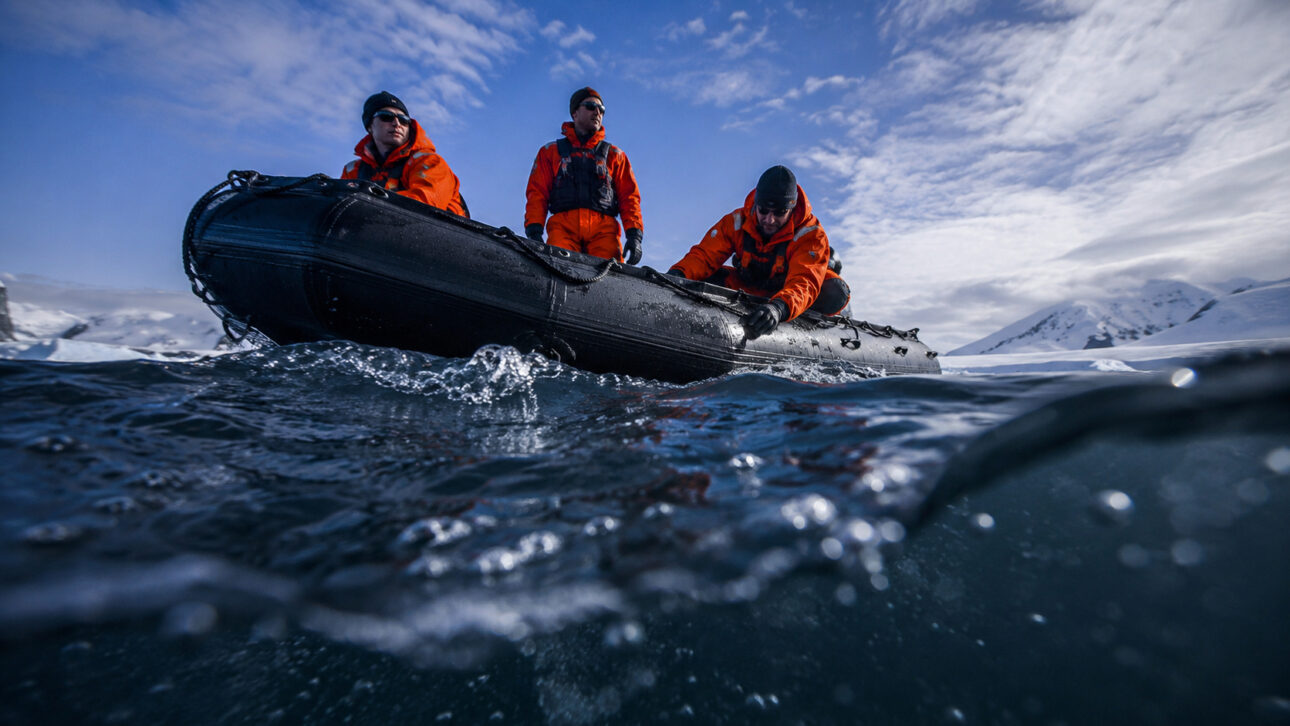
Extreme dives marked the sample collection
The sample collection took place under difficult conditions.
Ascidians usually live on underwater slopes with intense ocean currents.
Generally, these organisms appear between 18 and 24 meters deep.
In addition to the dives made by researchers, remotely operated vehicles were used to explore deeper areas.
According to Ben Meister, diving safety officer at the University of South Florida, the dives lasted between 25 and 35 minutes.
The maximum depth reached 40 meters.
Antarctica imposes additional risks, such as ice, leopard seals, unstable seas, and low visibility.
For this reason, each dive required careful planning to balance scientific collection and team safety.
After collection, samples were preserved to prevent alterations that could compromise later analyses.
Next steps may take years
With the end of the expedition, researchers begin a new phase of scientific work.
The collected material will be analyzed by different groups, with studies in the areas of genetics, chemistry, and biology.
The efficacy of the compound still needs to be proven by new research.
Scientists emphasize that there is no forecast for clinical use in patients.
Even so, the discovery expands knowledge about molecules produced by Antarctic organisms.
The investigation also reinforces how extreme environments can reveal important paths for medical science.
What could the discovery mean?
The bacterium found in the Antarctic ascidian should not be treated as an immediate cure for skin cancer.
Its selective action against melanoma cells, however, represents a relevant scientific clue.
Now, the challenge will be to better understand the natural production of the compound, test its efficacy, and assess its safety in future stages.
Meanwhile, Antarctica continues to reveal rare organisms that can help science seek new answers to complex diseases.
Do you think extreme environments, like Antarctica, can still hide discoveries capable of transforming medicine in the future? Leave your opinion!




Be the first to react!