Portuguese
  Spanish


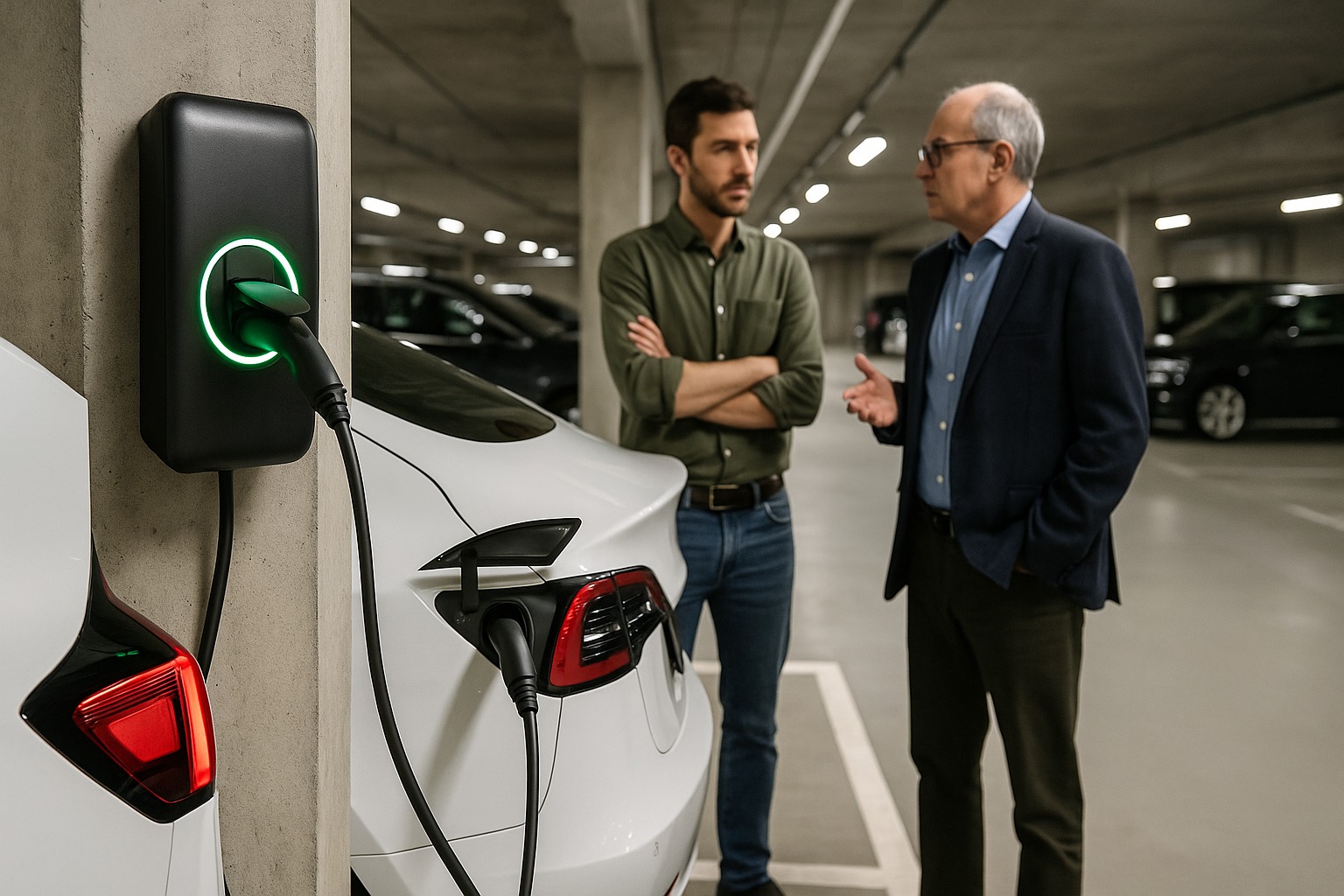


The Growth Of Electric Vehicles In Brazil Is Transforming Condominium Garages Into Battlegrounds, With Residents And Property Managers Divided Over Who Can Install Chargers And What Technical Standards Must Be Followed
The increase in the fleet of electric vehicles in Brazil has been causing a series of impasses in residential condominiums. This is occurring because there is still little clarity about the rules and technical requirements for installing chargers in garages, which has even resulted in legal disputes. In addition, the lack of consensus among residents and property managers has been making coexistence more tense.
Case In Recife Exposes The Conflict
One of the most emblematic episodes occurred in Recife, involving a 58-year-old businessman.
In 2022, he installed a private charger for his hybrid vehicle in a luxury condominium in the Boa Viagem neighborhood, with the authorization of the property manager and oversight by a responsible engineer.
-
Unprecedented achievement in India: a colossal 650-ton, nearly 3,000 hp excavator is transformed into 100% electric, marking a new phase in heavy mining.

-
Frightened by the speed of Chinese manufacturers, Renault decided to mimic the pace, made the new electric Twingo in just 21 months, wants to repeat the feat with 36 models by 2030, and along the way, will cut up to 2,400 engineering positions.

-
Chinese battery from Dongfeng promises to exceed 1,000 km without relying on liquid electrolyte, and the detail behind the technology could change the electric car competition.

-
The end of the automotive combustion era has already begun, but many in Brazil have not yet realized the magnitude of the shift towards Chinese electric cars.

Three years later, the condominium went to court and obtained a ruling determining the removal of the equipment.
The argument was that the charger was in a common area and that there had been no prior approval in a condominium assembly.
As the system was connected to the general electrical network, the appellate judge understood that individual authorization was not sufficient.
The condominium also argued that the building faces electrical overload and that other residents reported fluctuations in energy after the installation.
Other Cases And Collective Solutions In Condominiums
Similar situations have occurred in different cities. In Fortaleza, a condominium banned the use of private chargers after a technical report identified risks to the network.
In São Paulo, another building took a different path: it created a specific committee for the topic, hired a specialized company, and regularized collective use, benefiting around 30 electric vehicles.
These examples show that, although the advancement of electric mobility is inevitable, the lack of clear regulations still creates uncertainties and conflicts.
Experts Warn Of Technical Standards
According to the Brazilian Association of Property Administrators, all installations must follow the technical standard NBR 17019:2022, which defines safety and infrastructure standards.
Furthermore, any changes must be approved in assembly to ensure legality, safety, and transparency among the condominium residents.
With information from Autopapo.