Portuguese
  Spanish


Researchers from RMIT University in Australia added only 1% of cigarette butts to clay and the brick became lighter, isolated heat better, and used up to 60% less energy to be manufactured
Every year, smokers around the world discard approximately 4.5 trillion cigarette butts, making them the most commonly found litter on beaches, sidewalks, and storm drains worldwide. Each butt contains over 7,000 chemical substances, including heavy metals like lead, arsenic, and cadmium.
When thrown on the ground, a single cigarette butt can contaminate up to 40 liters of water; until now, no one knew what to do with this waste on a global scale.
Until Professor Abbas Mohajerani from RMIT University in Melbourne, Australia, had an idea that seems absurd: to embed the butts inside bricks, and it worked.
-
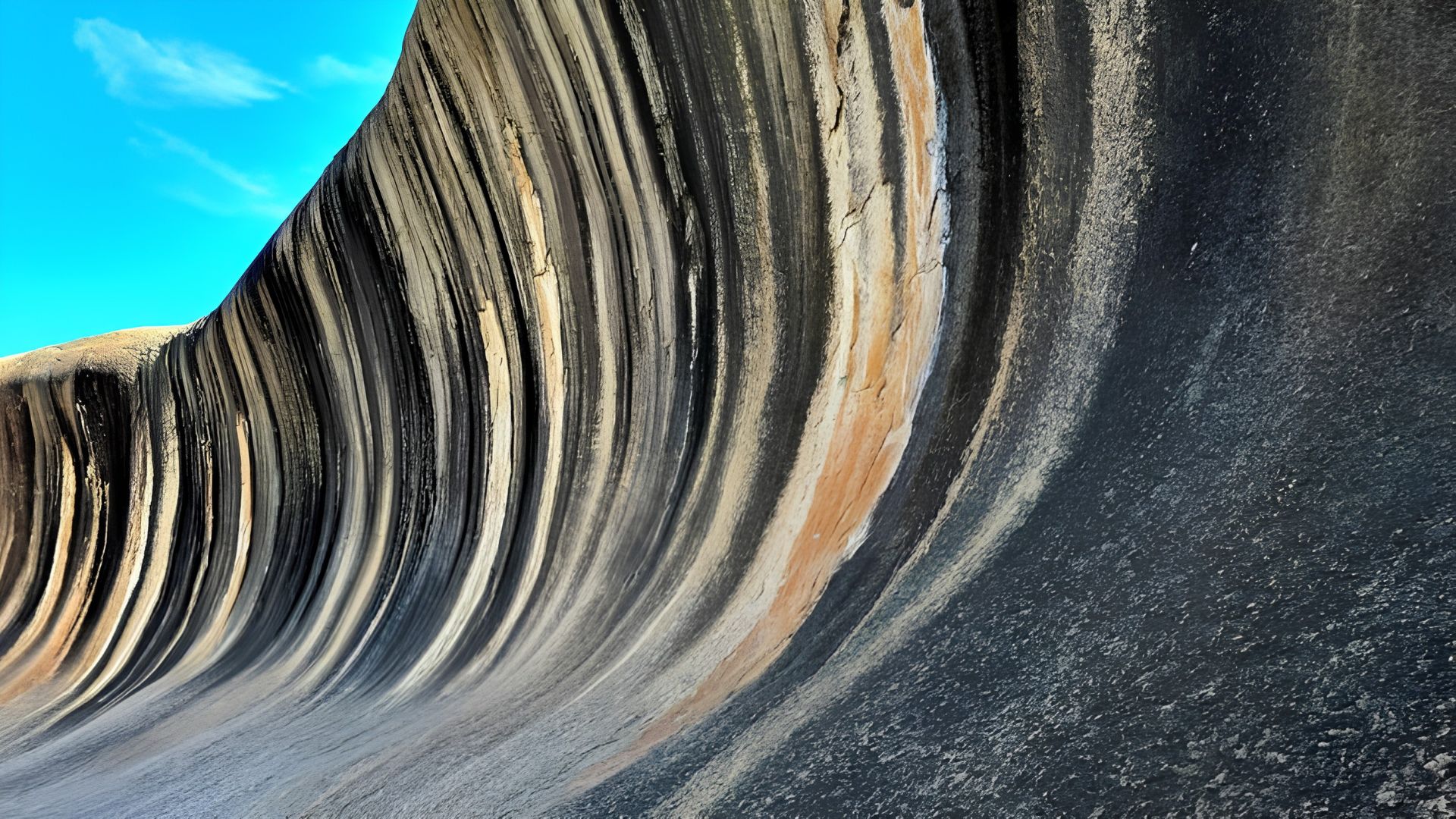
Wave Rock: Australia’s Giant Granite Wave Stands 15 Meters Tall, Spans 110 Meters, and Showcases 2.7 Billion Years of Erosion in the Australian Desert

-
How to Unclog Showerhead Holes Blocked by Limescale and Hard Water Without Replacing or Hiring a Technician

-
Award-Winning Korean Electric Scooter Concept Folds to Briefcase Size, Eases Transport Challenges

-
YouTuber Discovers Surreal Collection in 400-Year-Old Italian Fortress Near Florence: 419 Anvils, Giant Walruses, Ancient Church, and WWII Tunnels


The experiment: 1% of butts changes everything
Mohajerani’s team added crushed butts to the clay used in brick manufacturing.
The proportion was minimal: only 1% of the total volume.
The bricks were fired in the kiln like any conventional brick.
The results surprised the researchers.
The bricks with butts were lighter than the normal ones because the organic material from the cigarette evaporates during firing, leaving micropores in the structure.
These pores also improved thermal insulation because the air trapped inside them acts as a barrier against heat.
But the most important discovery was another.
The kiln used up to 58% less energy to fire the bricks with butts.
This is because the organic material from the cigarette serves as additional fuel during burning, reducing gas consumption.

Toxic substances are trapped inside the brick
The major concern was obvious: what about the toxic chemicals from the cigarette?
Tests showed that the high temperatures of the kiln, above 1,000 degrees Celsius, destroy most of the organic substances.
The heavy metals that survive are encapsulated within the ceramic structure of the brick.
In other words, they remain trapped. They do not leak into the environment.
The bricks passed leaching tests, which measure whether toxic substances escape from the material when exposed to water.
According to Mohajerani, the vitrification process of clay in the oven creates a kind of chemical prison for the contaminants.
The scale problem: how to collect trillions of butts
If the technology works, why are we not yet building with cigarette bricks?
The biggest challenge is logistical.
Collecting, transporting, and processing billions of butts requires an infrastructure that does not yet exist.
Selective collection programs for cigarette butts are rare and poorly organized in most countries.
The American company TerraCycle already operates butt recycling programs in some countries, but the scale is still small.
For the idea to work globally, it would be necessary to create collection points in bars, restaurants, offices, and public spaces.
The numbers that add up
- 4.5 trillion butts discarded per year worldwide
- 1% of butts in the mix already changes the properties of the brick
- 58% less energy in burning
- Lighter brick with better thermal insulation
- Heavy metals encapsulated in the ceramic after burning at 1,000 degrees
If only 2.5% of the world’s brick production incorporated 1% of butts, the entire annual production of cigarette waste would be absorbed.
And the additional cost would be close to zero, since the material is literally waste that today goes to landfills or the ocean.
An idea too simple to be ignored
The technology has not yet reached the market commercially.
There is a lack of regulations, long-term testing, and investment in the collection chain.
But science has already proven that it works.
One of the planet’s biggest pollutants can become a building material more efficient than the original.
And as if the trash we throw on the ground could, literally, become the wall of the next house.