Portuguese
  Spanish


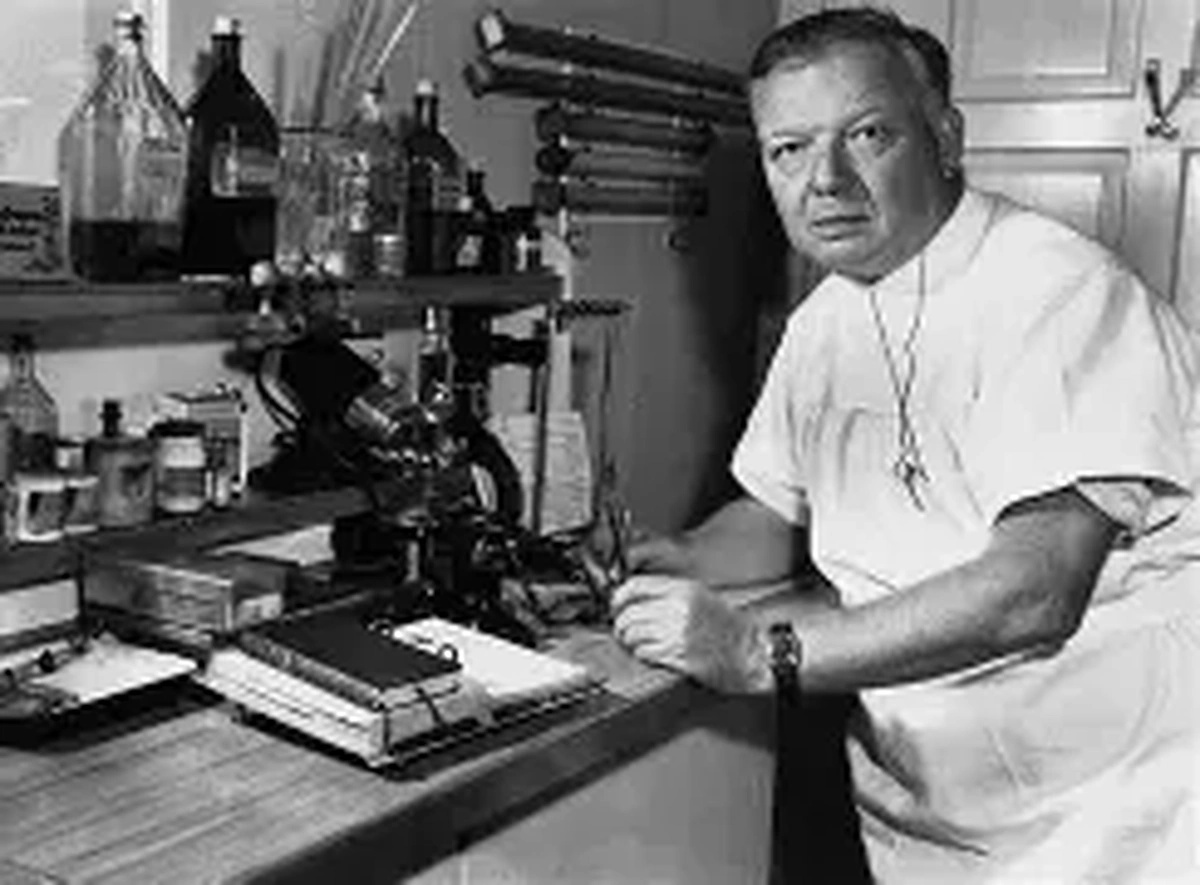


An Extreme Experience, Rejected by Contemporary Medicine, Paved the Way for One of the Most Important Advances in the History of Cardiology
A medical procedure now considered routine was born from an extreme decision made in the early 20th century.
The cardiac catheterization, essential for diagnosing coronary diseases, assessing valves, and observing heart chambers in real time, only became a reality after a radical experiment conducted in 1929 in Germany.
At that time, medicine still viewed the heart as a virtually untouched territory, surrounded by risks and technical taboos.
However, the idea challenged this consensus and called the ethical and scientific limits of the time into question.
Bold Hypothesis Arises in a Conservative Medical Environment
At the end of the 1920s, resident physician Werner Forssmann questioned established practices.
Up until then, catheterization was restricted to the urethra and peripheral vessels, and was considered unfeasible for cardiac use.
Even so, Forssmann believed that advancements in X-ray technology, discovered in the late 19th century, would allow for the safe guidance of a catheter to the heart.
-
How to Prevent Brown Recluse Spider Bites: Common Hiding Spots and Free Tips to Reduce Risks

-
Natto: The Unusual Japanese Superfood Gaining Popularity on Social Media and Driving Record Exports
-
Brazilian Mayor Goes Undercover as Homeless for 24 Hours to Assess Public Services

-
15-Year-Old Entrepreneur Malu Lira Publishes 20 Children’s Books on Financial Education, Earns $500,000, and Expands Her Project to the Amazon Rainforest




At that time, X-rays were primarily used to identify bone fractures and pulmonary changes.
Still, the possibility of visualizing the catheter’s path in real time sparked a new diagnostic perspective.
Despite this, most doctors viewed the proposal as dangerous and potentially fatal.
Institutional Rejection Precedes Extreme Decision
In 1929, Forssmann was working at the Eberswalde hospital, north of Berlin.
When he presented his idea to his superior, he received a categorical response: any tests should first be done on animals.
However, convinced of his hypothesis, he decided to proceed without formal authorization.
To do this, he enlisted Gerda Ditzen, the nurse in charge of the medical supplies room.
Initially, Ditzen believed she would be the volunteer for the experiment.
For this reason, she was laid on the stretcher and strapped down, following the simulated protocol.
However, at that moment, Forssmann made a definitive decision.
The Aut surgery That Challenged Scientific Limits
While the nurse was not observing, the doctor applied anesthesia to his own arm.
He then made an incision in his own antecubital vein and inserted the catheter about 30 centimeters.
After that, he requested Ditzen to call the X-ray team.
In the examination room, additional resistance arose.
Doctor Peter Romeis tried to interrupt the procedure, fearing fatal consequences.
Nevertheless, Forssmann continued, guiding the catheter with the help of the radiological image.
Minutes later, the tube reached the right atrium of the heart, after advancing more than 50 centimeters through the venous system.
The experiment, although risky, was technically successful and proved the feasibility of the method.
Professional Consequences and Departure from Cardiology
Afterwards, Forssmann repeated the technique on a terminal patient, aiming to administer medication directly to the heart.
Despite the success, the institutional reaction was negative.
When he published the results in a scientific article, still in 1929, he was fired from the hospital.
After his dismissal, the doctor abandoned cardiology.
Later, he built a career as a urologist at Rudolf Virchow Hospital in Berlin.
During World War II, he worked as a military surgeon and was even a prisoner of war, being released in 1945.
Scientific Recognition Comes Decades Later
Unbeknownst to Forssmann, his work gained new relevance years later.
In 1941, researchers André Cournand and Dickinson W. Richards from Columbia University in the United States revisited his findings.
From this, they published a series of studies that solidified cardiac catheterization as an essential diagnostic technique.
Finally, in 1956, the three scientists were jointly awarded the Nobel Prize in Medicine.
The recognition confirmed that the aut surgery performed in 1929 had redefined the course of modern cardiology.
In light of an innovation that arose from an extreme and solitary act, to what extent should science advance when institutions and consensuses still resist?