






 Portuguese
  Spanish
  3 min of reading
  0 comments


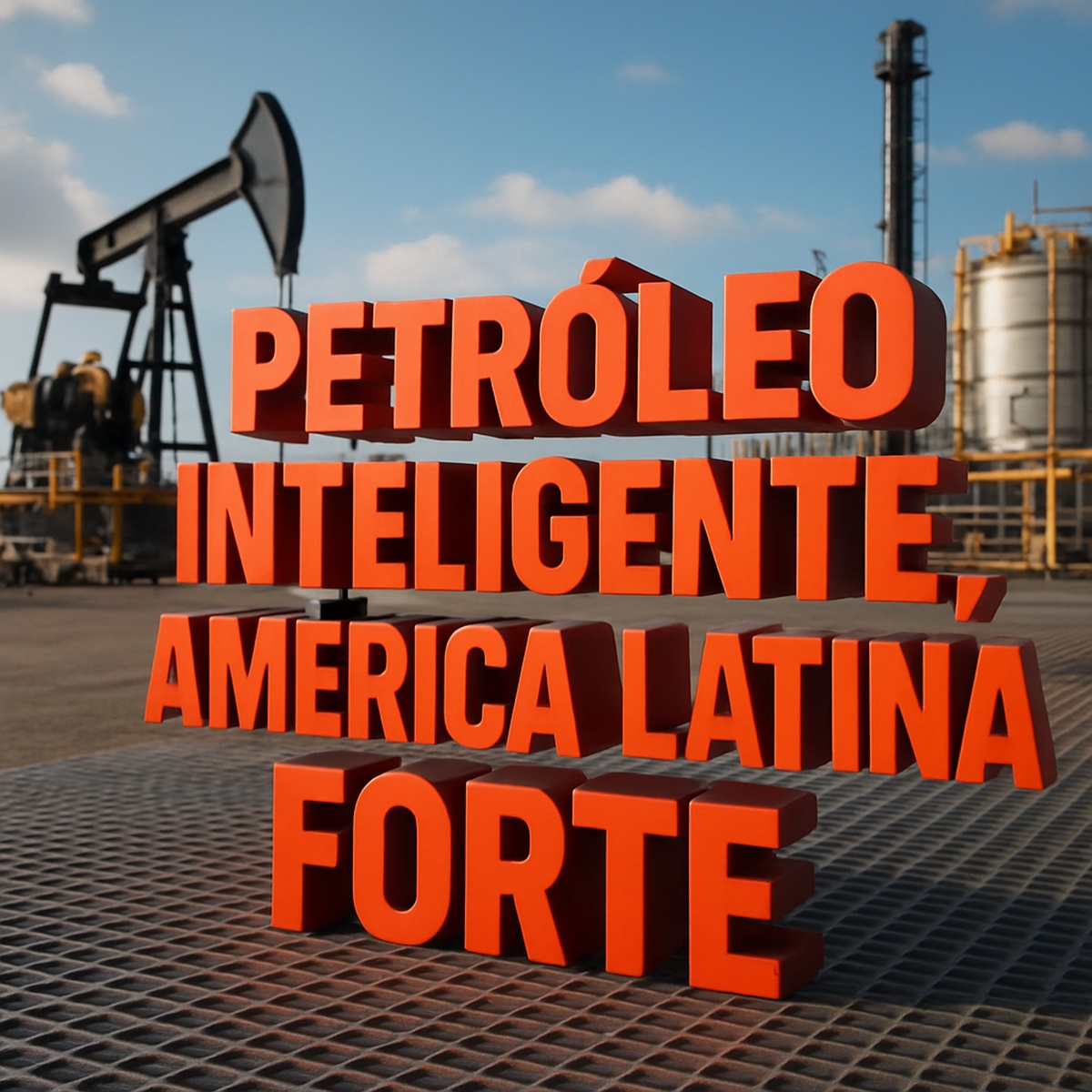
Billion-Dollar Investment Until 2030 Drives Automation, Efficiency, and Safety in the Oil and Gas Sector Across the Region.
In 2024, Latin America is experiencing one of the largest transformation cycles in its history in the oil and gas sector, according to a survey by the international consulting firm Rystad Energy. With an expected investment of over US$ 500 billion (about R$ 2.7 trillion) by 2030, companies are seeking to update processes, adopt automation, and overcome historical obstacles in infrastructure and technology.
This race for modernization involves both large national oil companies and private operators, who are already seeing gains in productivity, sustainability, and global competitiveness.
Modernization Accelerates, but Challenges Still Hinder Sector Evolution
According to a report released by Rystad Energy in June 2024, massive investments in automation aim to reverse a reality marked by obsolete infrastructure, production declines, and high operational costs.
-
Oil production grows in Rio, but reserve replacement raises a warning sign

-
Petrobras is expected to complete the drilling of the Morpho well in the Foz do Amazonas in August 2026, the first well in the Equatorial Margin, an oil frontier that the ANP estimates at more than 30 billion barrels and could redraw the map of Brazil.

-
Oil returns to the center of concerns with tension between the US and Iran

-
IEA reduces forecast for global oil demand in 2026 after impacts of the Middle East crisis



Onshore oil fields still use outdated sensors and SCADA systems, which limits efficient monitoring and fault identification. In offshore platforms, the corrosion and maintenance challenge is constant, while storage terminals face old equipment that compromises safety and efficiency.
In transportation by pipelines and ships, the lack of modern systems hampers leak detection and flow management, requiring companies to increasingly adopt telemetry and automation solutions. In gas and LNG processing, the lack of upgrades limits gains in energy efficiency and raises costs.
In addition to technical challenges, companies face obstacles in data protection and professional qualification. According to the Brazilian Institute of Oil (IBP), since 2022, the risk of cyberattacks has increased, along with the pressure for real-time data governance systems.
Integration and Automation Strategies Are Already Transforming Supply Chains
Despite the critical scenario, business groups are adopting rigorous strategies to integrate systems, upgrade equipment, and automate operations. Experts recommend following a phased methodology: assess, plan, implement, and provide ongoing support, always minimizing downtime.
Advanced data management and automation enable real-time analysis, quick decision-making, and failure prediction. The IBP points out that, in 2024, companies that invested in digitalization have already recorded operational gains of up to 35% in less than two years.
Sustainability also stands out. By implementing integrated energy management systems and carbon verification, companies reduce costs and align operations with global environmental goals.
New Technologies and Sustainability Guide Investments Until 2030
The modernization movement seeks not only to overcome immediate challenges but also to prepare the sector for the future. According to studies published by the Latin American Energy Organization (OLADE) in April 2024, the main operators in Latin America are already implementing pilot automation projects, integrating data on production, consumption, and carbon.
The focus is on the sustainable expansion of the sector, energy efficiency, and the creation of increasingly smart, connected, and secure supply chains. However, growth depends on solid governance, skilled workforce qualification, and transparent public policies, according to OLADE.
Opportunities and Risks for the Regional Economy
The advancement of automation and the renewal of assets could radically transform the Latin American economy between 2024 and 2030. The oil and gas sector not only attracts foreign investment but also drives employment, technological innovation, and increases public revenues.
However, the transition brings challenges: it is necessary to balance modernization with sustainability, ensure data protection, and invest in training. The experience of countries that delayed technological upgrades serves as a warning for the region to avoid unnecessary losses and risks.
According to the IBP and Rystad Energy, the future of the Latin American industry will depend on efficient management, quick decisions, and a permanent commitment to safety, sustainability, and innovation.
And Where Is Latin America’s Energy Heading?
The oil and gas sector is at a turning point in 2024. The success of investments, the adoption of new technologies, and the commitment to sustainability will determine who leads the market in the coming years.
Is your company ready to compete in this new global landscape? Will the pace of modernization be able to meet the demands for efficiency, safety, and digital governance that the market requires by 2030? Share your thoughts on the future of the sector!





Be the first to react!