






 Portuguese
  Spanish
  2 min of reading
  0 comments


The full operation of Kenli 10-2 strengthens China’s commitment to offshore production in Bohai, with 79 wells, unmanned platforms, heavy oil, and reserves exceeding 100 million tons amid global energy uncertainties.
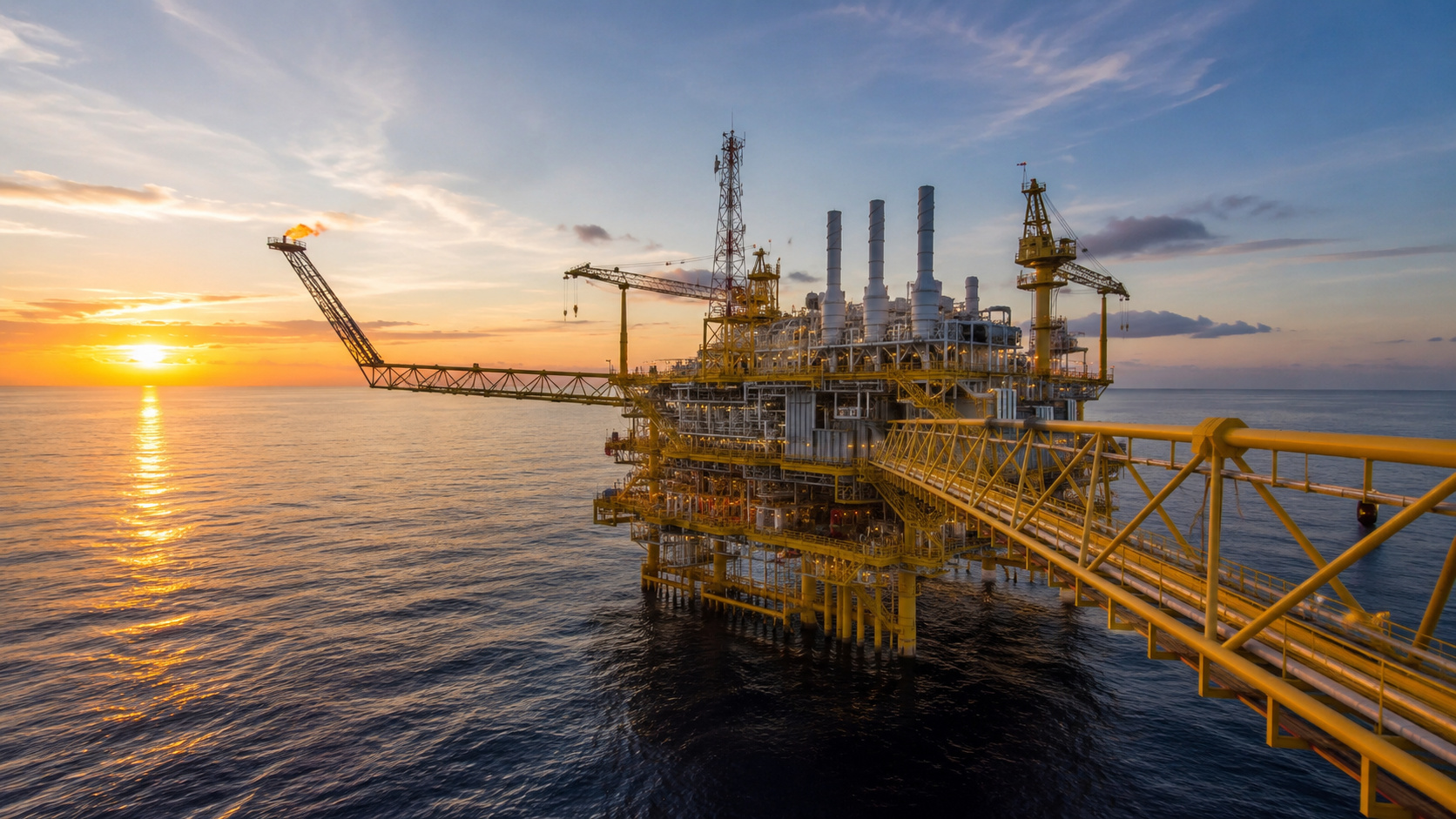
More than 2,800 tons of crude oil per day are extracted from Kenli 10-2, in the southern Bohai Sea, after China fully launched the first phase of the country’s largest shallow lithology offshore field.
Kenli 10-2 expands Chinese offshore production
Operated by the China National Offshore Oil Corporation, the project produces 20,000 barrels daily and holds proven reserves exceeding 100 million tons. The area is in an average water depth of 20 meters.
The first phase includes a central processing platform, two unmanned wellhead platforms, and 79 development wells. Parts of the field had already started producing heavy oil in 2025, before the full milestone.
-
Oil production grows in Rio, but reserve replacement raises a warning sign

-
Petrobras is expected to complete the drilling of the Morpho well in the Foz do Amazonas in August 2026, the first well in the Equatorial Margin, an oil frontier that the ANP estimates at more than 30 billion barrels and could redraw the map of Brazil.

-
Oil returns to the center of concerns with tension between the US and Iran

-
IEA reduces forecast for global oil demand in 2026 after impacts of the Middle East crisis


Field requires advanced techniques for heavy oil
Kenli 10-2 has unusual geology. The oil and gas resources are located in narrow, winding sand bodies below the seabed, forming tree-like branching patterns.

This structure has been described as a dendritic heavy oil reservoir, the first offshore development of its kind in China. The challenge increases because heavy oil is denser and flows less easily than conventional oil.
Industry reports cite the use of thermal recovery, steam flooding, and water injection to improve efficiency. CNOOC is also enhancing unmanned infrastructure, digital monitoring, and offshore automation in Bohai.
Bohai gains importance in energy security
The field is part of Bohai, China’s largest offshore crude oil production base. The expansion occurs amid risks in maritime transport, sanctions, global instability, and disruptions in the Red Sea.
Offshore production accounted for more than 60% of China’s new oil for five consecutive years, between 2021 and 2025. Kenli 10-2 strengthens domestic supply and reduces exposure to external shocks.
With information from GlobalTimes.







Be the first to react!