Portuguese
  Spanish


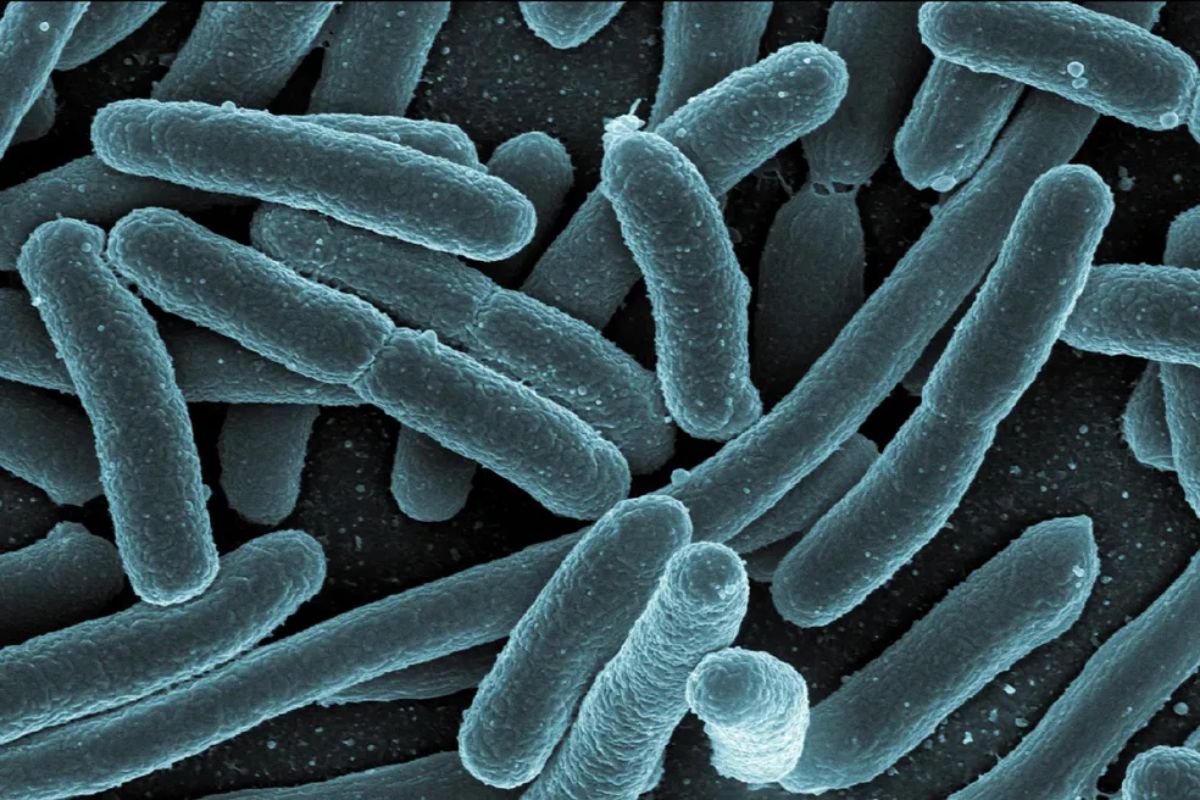

Chinese Scientists Identify the Strain Niallia tiangongensis, Adapted to the Space Environment and With Novel Biochemical Properties
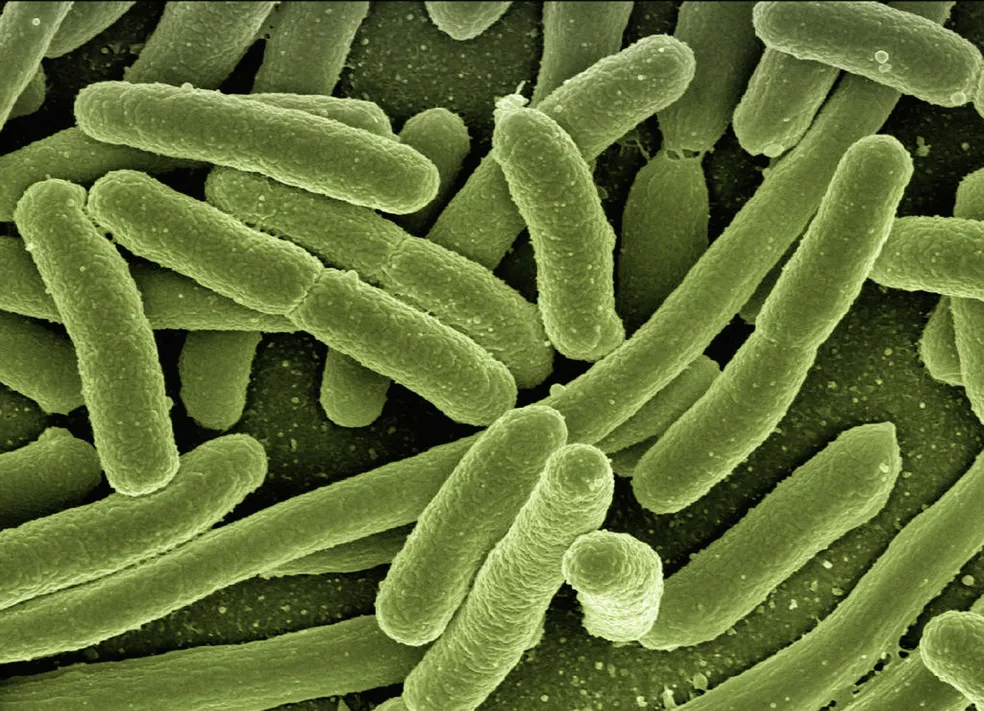
A new bacterium capable of surviving in the extremes of space has been discovered by Chinese scientists aboard the Tiangong Space Station. Named Niallia tiangongensis, this strain exhibits unusual mutations that may transform the study of biotechnology in extraterrestrial environments. The finding was described by researchers from the Beijing Institute of Space Systems Engineering in an article published in the International Journal of Systematic and Evolutionary Microbiology.
The sample was collected in 2023 by taikonauts (as Chinese astronauts are called) using an improvised and ingenious method: sterilized wet wipes were used to clean the internal surfaces of the station. The materials were then frozen and returned to Earth for detailed analysis.
Terrestrial Relative With Surprising Mutations
The new bacterium is genetically related to Niallia circulans, a common species found in soil, sewage, food, and even human feces. However, the version found in orbit exhibits significant mutations that affect its structure and functioning.
-
Microwave Stone-Melting Machine Aims to Drill Deeper Than Steel and Unlock Near-Infinite Energy Source

-
Longest Solar Eclipse of the Century Will Turn Day to Night for Over 6 Minutes, Allowing Star Gazing; Won’t Recur for 156 Years

-
Brazilian Researcher Develops Protein Supplement from Tilapia Waste, Combining Innovation and Sustainability with Economic Potential

-
Women in São Paulo Unknowingly Tracked by Coin-Sized Tags Hidden in Cars and Belongings, Raising Stalking Concerns


According to Chinese scientists, Niallia tiangongensis has demonstrated a unique ability to hydrolyze gelatin, indicating that it can use this compound as an energy source in nutrient-poor environments — a crucial advantage for survival in long-duration space missions.
Extreme Resistance and Biotechnological Potential
The bacterium also revealed alterations in two essential proteins, responsible for enhancing the formation of biofilms, bacterial structures that provide greater protection against external agents such as cosmic radiation and oxidative stress. These characteristics are fundamental for an organism to survive in the hostile conditions of outer space.
According to the article, these mutations give the bacterium an impressive cellular repair capacity, which could mark a milestone for research in genetic engineering, drug manufacturing, and even in the development of biological recycling systems in closed environments, such as future colonies on Mars or the Moon.
Other Recent Space Discoveries
This was not the only resistant bacterium identified in orbit. In 2023, NASA scientists reported the discovery of a mutant version of Enterobacter bugandensis at the International Space Station — a strain resistant to multiple antibiotics, typically found in the human gut.
These findings reinforce the theory that the space environment acts as an evolutionary accelerator, forcing microorganisms to develop survival mechanisms never observed on Earth.
China and Advances in Space Biology
The discovery of Niallia tiangongensis highlights China’s role as a leader in applied space biology research. In addition to exploring the presence of life in space, the country shows interest in using these discoveries for sustainability projects beyond our planet.
The study of the bacterium could serve as a foundation for creating self-sustaining systems in space stations, producing biological energy, and even solutions for environmental decontamination in long-duration missions.