Portuguese
  Spanish




Whale Explodes With Dynamite and Pieces Destroy Cars on Crowded Beach. The Shocking Video Has Gone Viral Again on Social Media
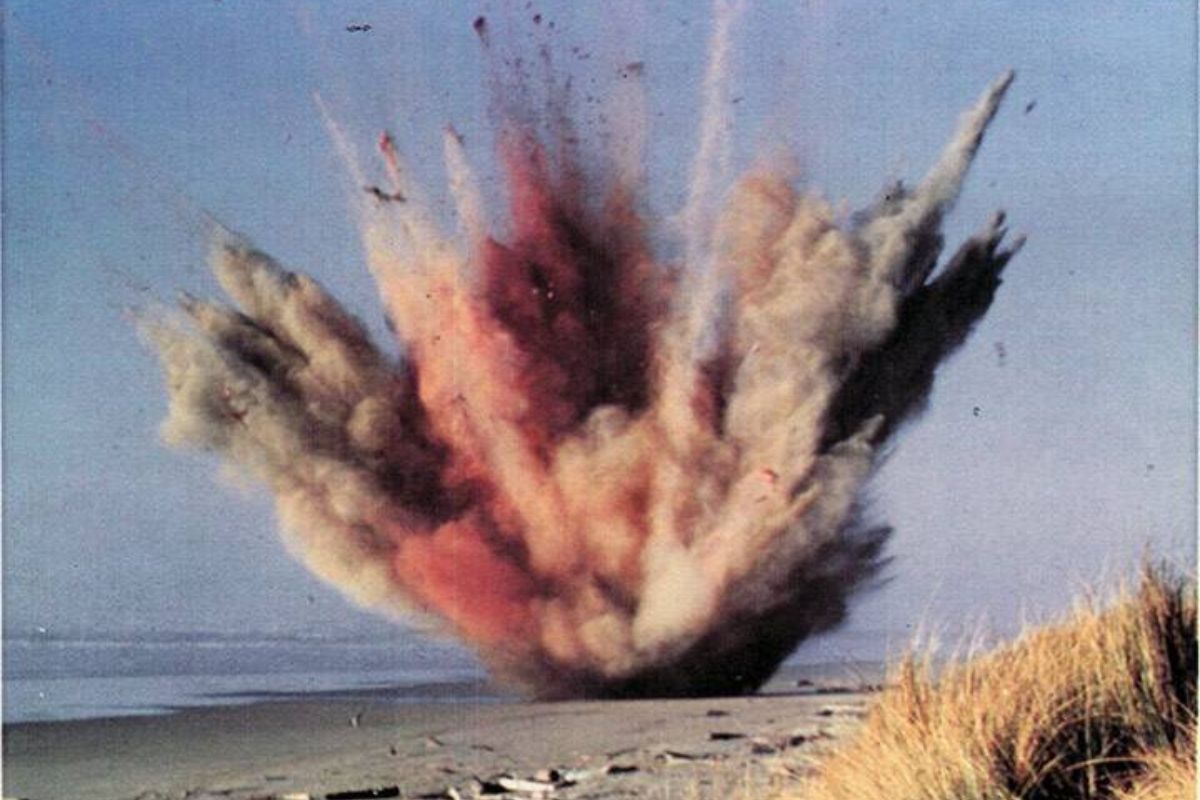
An unbelievable scene took over a beach in the United States and left the entire world in shock: a whale weighing nearly 8 tons exploded after local authorities attempted to remove it with dynamite. What was supposed to be a quick solution became one of the most absurd episodes ever recorded by the seaside.
A Stranded Giant
The enormous marine mammal was found dead on the coast of Oregon, USA. The carcass, measuring about 13 meters long, had been under the sun for days and was beginning to decompose rapidly. The smell was unbearable and attracted hundreds of curious onlookers, as well as birds and animals that fought over the remains of the body.
With no immediate solution to remove the whale from the sand, officials from the local Department of Transportation made a decision that no one could imagine: they would use dynamite to “disintegrate” the body and leave the rest for the seagulls.
-
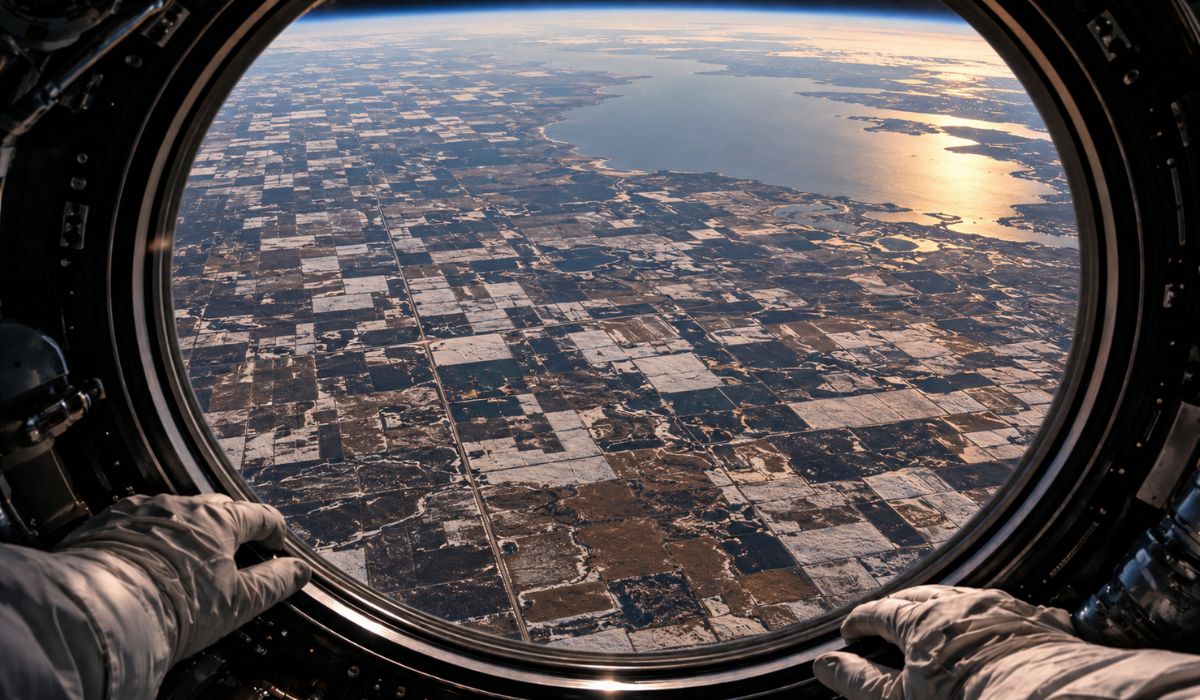
Seen from space, an astronaut captures in Canada a geometric carpet of crops drawn over the backdrop of a ghost lake that disappeared 12,000 years ago, was once larger than all the Great Lakes combined, and left a scar of fertile mud that still sustains agriculture.

-
Billionaire says the most valuable skill will help overcome job elimination caused by AI, following Bill Gates’ fears

-
A Dutchman created a ‘box’ that makes trees grow in the desert almost without water and without irrigation: the invention has already brought seedlings to dozens of countries and achieves up to 90% survival where common planting did not exceed 10%.

-
Abandoned warehouse hid a giant collection of rare computers, with over 2,000 artifacts from the 1930s to the 1980s.



The Most Absurd Explosion Ever Recorded
The plan was clear (at least to them): place a charge of explosives on the side of the whale’s body, detonate it, and let nature do the rest. But what happened next was worthy of a movie script.
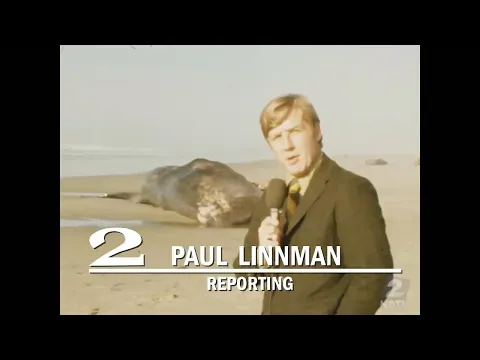
When the explosives were triggered, a massive explosion sent pieces of blubber and whale flesh flying in all directions. Nearby parked cars were hit by blocks weighing over 20 kg. People ran for cover in panic, and a journalist covering the event captured the scene, which is now going viral on social media and video platforms as if it had happened yesterday.
“The explosion was so strong that it felt like a bomb had been dropped on the beach,” reported a local resident who was on the scene.

Unexpected Consequences
A piece of whale completely destroyed the roof of a car that was nearly 100 meters away. The force of the impact was so great that the vehicle had to be towed. Curiously, no one was injured, but the scare was enough to make this case one of the most misguided decisions ever made by public authorities.
The intention was to prevent public health risks and quickly clean the beach. The result was chaos: the pieces of the whale spread over an even larger area, the smell remained unbearable for days, and the cleanup cost more than if they had removed the animal with cranes.
A True Story That Seems Like a Lie
Although it seems absurd, the explosion of the whale is a real incident, documented on video and reported by various media outlets like The New York Times, NPR, and BBC.
The images were recorded by journalist Paul Linnman from KATU-TV and have become a phenomenon on the internet. To this day, the video is referenced in communication, crisis management, and environmental engineering courses as an example of public planning failure.
Global Repercussion
With the recent virality on social media, especially on TikTok, Reddit, and Instagram, many Brazilian netizens are wondering: “How did no one think about the consequences beforehand?” The whale explosion has taken on a new life as a meme, humor clip, and even study material.
“This is so American. Here in Brazil, we would have a barbecue and solved it with a tractor,” joked a follower on a humor page.
And What If It Were in Brazil?
Cases of stranded animals are also common along the Brazilian coast, especially in the South and Southeast. However, the removal protocol is very different. According to the Baleia Jubarte Institute, when a large marine animal dies and becomes stranded, specialized teams are called in for removal with cranes and burial in controlled areas—or, in specific cases, the carcass is towed out to sea.
The use of explosives would never be considered by the regulations of Ibama or serious environmental organizations. Besides the risk of injury, the explosion spreads contaminating biological fluids and creates even more pollution in the coastal area.