Portuguese
  Spanish


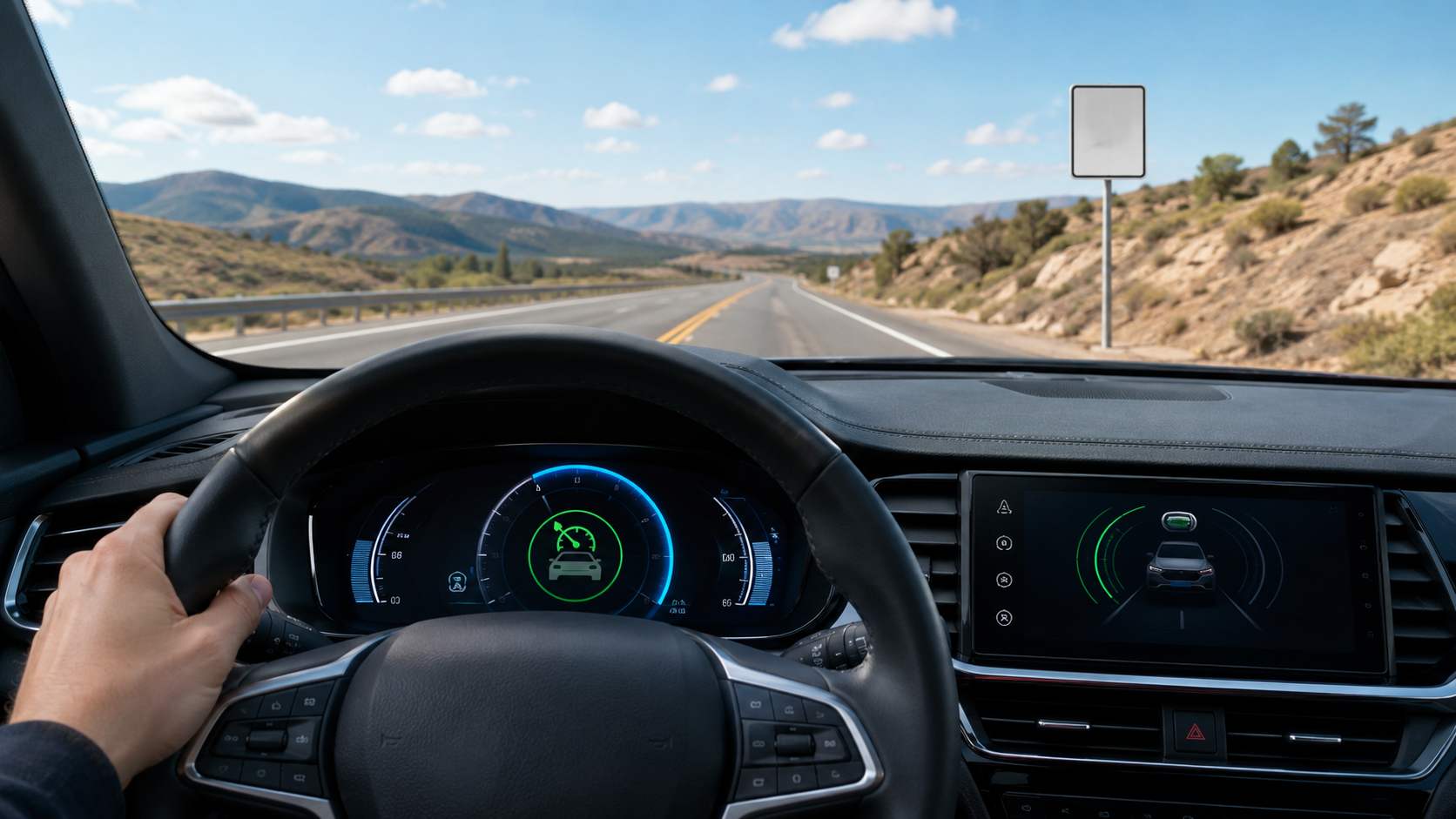


Project in Maryland wants to test a technology installed inside vehicles to alert or physically prevent the driver from speeding above the limit, in an attempt to reduce traffic deaths after years of enforcement, cameras, and fines without solving the problem.
Maryland could become one of the first states in the USA to test a technology capable of physically preventing the driver from speeding above the allowed limit. The proposal targets speeding, linked to more than 200 annual deaths.
The change depends on the signature of Governor Wes Moore on two approved bills: House Bill 107 and Senate Bill 366. The proposals create a pilot program for Intelligent Speed Assistance.
The initiative is advocated by a road safety coalition, which sent a formal letter to the governor requesting the adoption of the program. The central argument is that decades of enforcement have not contained speeding on Maryland’s roads.
-
Stingless Bee Honey from Brazil Can Cost Up to $120 a Liter, Surprises with Flavors of Wood, Citrus, and Even Cheese

-
Woman Claims to Have Spotted a Technical Pattern in Recent FIFA Tournaments, Predicts Possible World Cup Winner
-
Chevrolet Offers Chance to Win a 2026 Sonic RS for Free via WhatsApp
-
Earthquake vs. Tsunami: Which Causes More Destruction and Why One Can Be Even More Dangerous


Technology can prevent the car from speeding
Intelligent Speed Assistance, known as ISA, works inside the vehicle and detects the posted limit on each road. Based on this reading, the system can operate in a consultative or interventionist manner, depending on the mode adopted in the program.
In consultative mode, the driver receives alerts when exceeding the limit. These warnings can appear by sound, vibration, or visual indication, drawing attention to the speed above the allowed without directly interfering with the car’s performance.
In interventionist mode, the technology actively limits the vehicle’s speed. In this format, the system makes it physically difficult or impossible to accelerate beyond the maximum allowed on the road, tackling the problem at the moment the infraction occurs.
The system combines GPS data, digital speed limit maps, traffic sign recognition cameras, or these resources simultaneously. Thus, it responds in real-time when the limit changes on ramps, school zones, or residential streets.
Project puts Maryland in an unprecedented position
The pilot program would place Maryland among the first jurisdictions in the USA to test the technology. No comparable state pilot of ISA has been launched in the country, making the proposal a novelty in the American debate on traffic safety.
The legislation is not limited to increasing fines or installing more cameras. The goal is to test a tool installed in the vehicle itself, capable of directly interfering with speed, instead of relying solely on subsequent punishments or localized enforcement.
Advocates claim that traditional solutions face clear limitations. Police patrols are intermittent by necessity, while speed cameras operate at fixed points. Many drivers slow down when passing the equipment and then speed up again shortly after.
ISA attempts to address this flaw. Instead of threatening a consequence after the infraction, the technology acts at the moment of decision inside the car, reducing the possibility of exceeding the posted limit on that road.
In the letter sent to Moore, the groups stated that the technology has the potential to reduce dangerous driving behaviors and save lives. The logic presented is to make speeding more difficult, not just more expensive.
Pilot should measure real effects on the roads
If Moore signs the projects, the program should start with a limited scope. Being a pilot, the initiative would likely involve a defined group of participants, structured data collection, and a formal evaluation period.
The goal would be to measure ISA’s performance under real conditions in Maryland, considering roads, driver behavior, and local infrastructure. These results would serve to assess whether the technology works as a public road safety policy.
The conclusions could have an impact outside the state. Safety data could guide other states interested in similar legislation and indicate whether ISA should remain as an optional pilot or advance to a broader tool in Maryland.
The proposal, however, is likely to generate public debate. One of the main issues involves driver autonomy and the role of the government in physically limiting how someone drives their own vehicle.
These concerns should accompany the development of the program. The material points out that they will need to be addressed during implementation, and not set aside, as the technology affects the relationship between driver, vehicle, and enforcement.
Outside the United States, the path has already advanced. The European Union began requiring ISA in new vehicles sold within its borders, according to rules in effect since 2022. Maryland’s decision will be observed as a political and technical test.