






 Portuguese
  Spanish


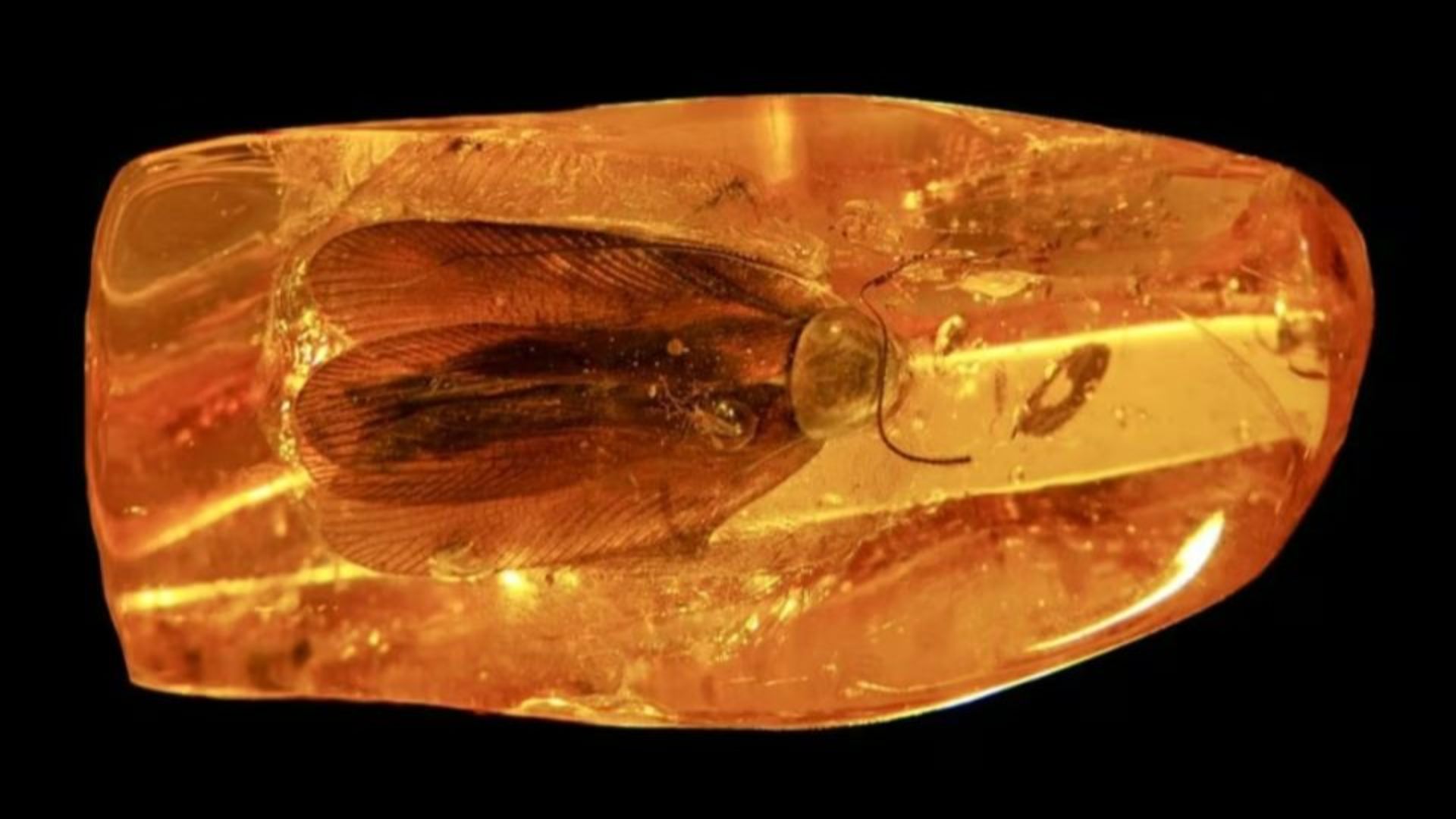

A Fossilized Cockroach 35 to 40 Million Years Old Was Found Inside a Piece of Amber in the Caliningrad Region of Russia, Experts Reported on Monday. The Fossil Was Exceptionally Preserved Thanks to the Petrified Resin of Relict Trees That Trapped the Insect During the Eocene Epoch, When the Climate Was Warm and Humid.
The Preservation in Amber Allowed Clear Examination of the Insect’s Wings, Legs, and Head, Enabling Detailed Studies of Extinct Species. This Type of Fossil Is Considered Rare, as Only a Small Portion of Extracted Amber Contains Preserved Organisms.
According to Researchers, the Natural Process Occurred Due to the Environment of the Time. Frequent Wildfires and High Humidity Caused Tree Resin to Remain Liquid, Acting as a Natural Trap for Small Animals. Over Time, the Substance Hardened and Transformed into Amber, Preserving the Captured Organisms.
Discovery Reinforces Scientific Importance of Amber
Experts Noted That Pieces with Fossilized Insects Represent 7% to 9% of All Amber Found in the Caliningrad Region. This Characteristic Makes the Material Valuable Not Only for Collectors but Also for Research on Past Biodiversity.
-
Workers renovating a playground in northern England uncover 176 World War II bombs buried underground; training artifacts still contained explosives.

-
Brazilian Architect Transforms Waste into Sustainable Homes with Solar Power and Rainwater Systems for 40 Years

-
Security Guard Becomes Doctor at Louisiana Hospital Where He Once Worked, Studied Chemistry Between Shifts

-
Woman Rescued from Luxury Complex in Brazil Worked Without Pay for 55 Years, May Be Entitled to Over $300,000




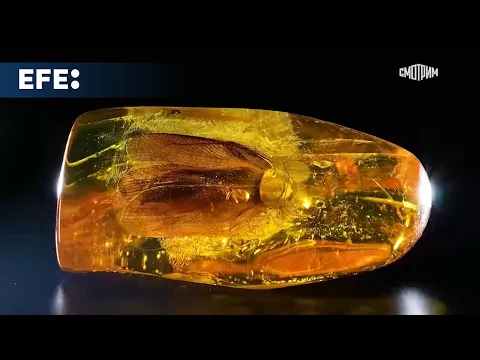

The Detailed Analysis of the Cockroach May Contribute to the Study of Insect Evolution and the Ecosystem That Existed Tens of Millions of Years Ago. Additionally, Fossils in Amber Are Essential for Reconstructing Ancient Climatic and Geological Events, as They Record Preserved Environmental Features.
According to Information Published by the Portal Russia Today, the Discovery Was Made by Experts from the Kaliningrad Amber Plant, Who Monitor Amber Extraction in the Region. The Fossil Will Be Studied in Local Laboratories and May Be Included in Scientific and Museum Collections.
Material Goes for Detailed Studies
Researchers Expect That Advanced Exams, Including Microscopic Analyses, Will Reveal New Information About the Morphology and Environment in Which the Insect Lived. With These Data, It Will Be Possible to Compare Extinct Species with Modern Cockroaches and Understand Adaptive Changes Over Millions of Years.
Experts Also Highlighted That Chemical Analyses of Amber May Indicate the Composition of the Original Resin and Details About the Climate and Vegetation of the Time. This Information Could Help Reconstruct Part of the Eocene Ecosystem, Providing Clues About How Geological Events and Environmental Changes Shaped Biodiversity Over Time.
And, Out of Curiosity, Many Wonder: Would This Cockroach Still Be Ready to Survive Like Its Modern Descendants, Even After 35 Million Years?


